

 English
 Español
 عربى
عربى
Home / News / Industry News / Technical Evaluation of Fire Retardancy and Lead-Free Chemical Compliance in PVC Co-extruded Foam Board Construction
Technical Evaluation of Fire Retardancy and Lead-Free Chemical Compliance in PVC Co-extruded Foam Board Construction
Article Directory
Jiatao Industrial Co., Ltd. is a premier manufacturer of polyvinyl chloride plastic solutions in China, specialized in the large-scale production of high-density foam boards and plastic-wood composites. Operating as a professional production base with an annual capacity exceeding 25,000 tons, our facility utilizes advanced extrusion technology and precise cooling solidification processes. Our products are engineered for high-end markets including the United States, Germany, and Japan, serving critical sectors such as building decoration, furniture manufacturing, and transportation interiors. As a strategic supplier to several Fortune 500 enterprises, Jiatao ensures that every pvc co-extruded foam board meets the rigorous safety and environmental mandates required for modern architectural integration, focusing on polymer stability and non-toxic additive chemistry.
Combustion Behavior and UL 94 V-0 Fire Retardant Classification
In modern architectural projects, the fire retardant properties of PVC foam board are quantified by the UL 94 vertical burning test. To achieve a UL 94 V-0 rated pvc co-extruded foam board, the material must demonstrate self-extinguishing behavior within 10 seconds after flame removal, with no flaming drips. The synergistic effect of flame retardants in PVC, such as antimony trioxide or alumina trihydrate, is critical for increasing the Limiting Oxygen Index (LOI) to values above 32 percent. When analyzing Why fire rated PVC is essential for interior decoration, engineers focus on the smoke density rating (SDR) under ASTM E662; a low SDR ensures visibility during evacuation. Unlike standard expanded sheets, the co-extrusion process for fire safety creates a dense, rigid skin that acts as a physical barrier, effectively delaying the thermal decomposition of the core material.
Chemical Analysis of Lead-Free Stabilizers and RoHS Compliance
The transition toward lead-free PVC co-extruded foam board is driven by global environmental directives such as RoHS (Restriction of Hazardous Substances) and REACH. Traditional lead-based stabilizers are replaced with calcium-zinc (Ca-Zn) stabilizers for PVC extrusion, which ensure that the heavy metal content in PVC boards remains below 100 ppm. For What are lead-free standards for building materials, the focus is on preventing the leaching of neurotoxic elements into the environment. Jiatao Industrial utilizes fine cooling solidification to lock in the polymer matrix, ensuring that the UV stability of lead-free PVC is maintained without compromising the material's structural integrity. This non-toxic PVC foam board technology is particularly vital for the furniture industry and public transportation interiors, where human contact is frequent and long-term.
Structural Density and Mechanical Property Comparison
A pvc co-extruded foam board is characterized by its "sandwich" structure, consisting of a high-density outer shell and a closed-cell foam core. The surface hardness of co-extruded PVC typically exceeds 75 Shore D, providing superior scratch resistance compared to celuka or free-foam variants. The tensile strength of architectural PVC boards is a function of the co-extrusion bond strength between the skin and the core. The following table provides a technical comparison of mechanical performance based on ISO and ASTM testing standards.
| Mechanical Property | Free-Foam PVC Sheet | Co-extruded PVC Foam Board |
| Density (g/cm3) | 0.40 - 0.55 | 0.55 - 0.75 (Core/Skin Gradient) |
| Shore Hardness (D) | 45 - 55 | 75 - 85 |
| Flexural Modulus (MPa) | 800 - 1000 | 1500 - 2100 |
| Fire Class (UL 94) | HB / V-2 | V-0 / V-1 |
| Water Absorption (%) | Less than 1.5 | Less than 0.5 (ISO 62) |
Hydrophobic Performance and Resistance to Chemical Degradation
The waterproof performance of co-extruded foam board is superior due to its non-porous outer layer, which limits water absorption to less than 0.5 percent according to ISO 62. This prevents the warping of PVC board in humid environments, making it a viable alternative to plastic-wood composites in marine and outdoor construction. Furthermore, How PVC co-extrusion resists chemical corrosion is a result of the high chlorine content in the polyvinyl chloride backbone, which provides inherent resistance to acids, alkalis, and salts. For the building decoration industry, this means a maintenance-free lifecycle exceeding 20 years. Jiatao's specialized color PVC board extrusion also incorporates high-grade pigments with a lightfastness rating of 7 or 8 on the Blue Wool Scale, ensuring that pvc co-extruded foam board maintains its aesthetic specifications under prolonged solar exposure.
Industrial Hardcore FAQ
Q1: Does a "lead-free" designation affect the mechanical strength of the board?
A1: No. While Ca-Zn stabilizers require more precise temperature control during extrusion, the resulting board achieves equal or superior flexural modulus and impact strength compared to traditional lead-stabilized products.
Q2: Can the V-0 fire rating be achieved for all thicknesses?
A2: Generally, V-0 ratings are easier to achieve in thicker boards (10mm+). For ultra-thin sheets (3mm-5mm), specialized additive packages are required to ensure the material does not burn through within the 10-second threshold.
Q3: What is the benefit of co-extrusion over Celuka foam board?
A3: Co-extrusion produces a smoother, harder surface with a clearer boundary between the dense skin and foam core, whereas Celuka surfaces have a more gradual density gradient and are slightly more prone to surface imperfections.
Q4: How does Jiatao ensure the 25,000-ton annual output maintains quality?
A4: We utilize automated dosing systems and real-time thickness monitoring sensors throughout the extrusion line to ensure density and chemical composition remain constant across every batch.
Q5: Is PVC co-extruded foam board recyclable?
A5: Yes. As a thermoplastic, it can be ground and re-processed. Because our boards are lead-free and RoHS compliant, they are highly valued in the circular economy compared to contaminated waste streams.
Technical References
- ASTM D635: Standard Test Method for Rate of Burning and/or Extent and Time of Burning of Plastics in a Horizontal Position.
- RoHS Directive 2011/65/EU: Restriction of the use of certain hazardous substances in electrical and electronic equipment.
- ISO 1183-1: Plastics — Methods for determining the density of non-cellular plastics.
Recommended NEWS:
PVC Free Foam Board's multiple applications and environmental advantages in the field of transportation
Fireproofing of Custom Laminated PVC Foam Boards
White Laminated PVC Free Foam Boards: Environmentally friendly and sustainable production
Laminated PVC Foam Board has the advantages of being moisture-proof and water-resistant compared to other materials
What environmental measures are used in the production of White Laminated PVC Free Foam Boards?
The manufacturing process of PVC co-extruded foam board and the core advantages of its co-extrusion technology
Related Products
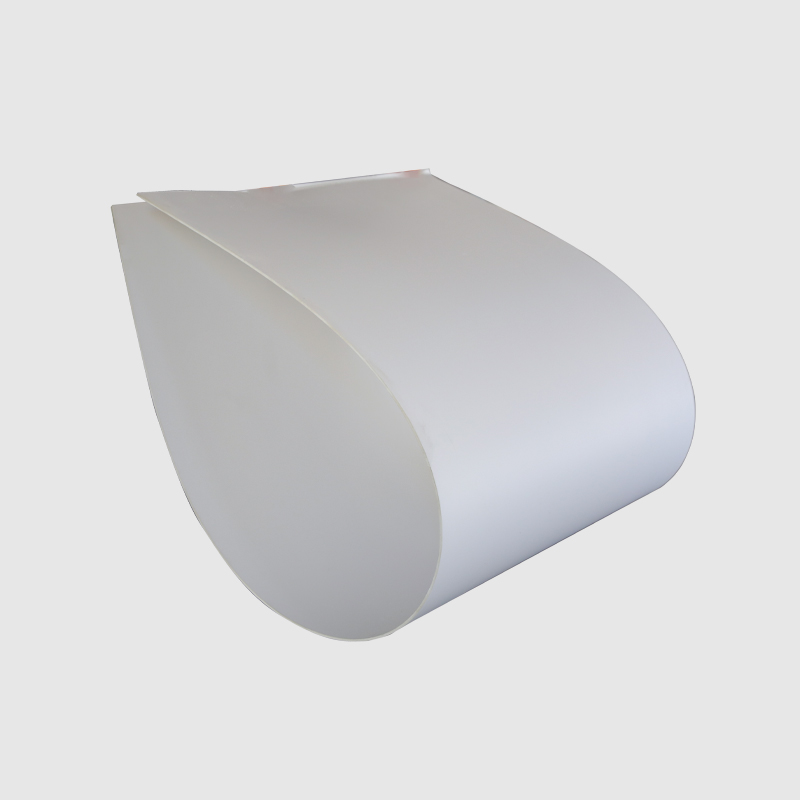
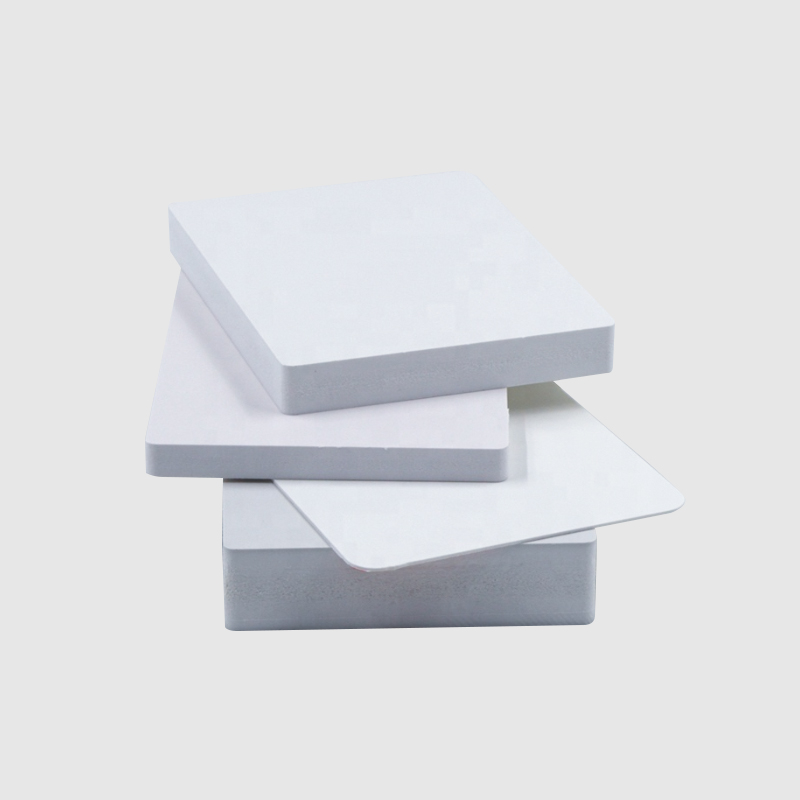
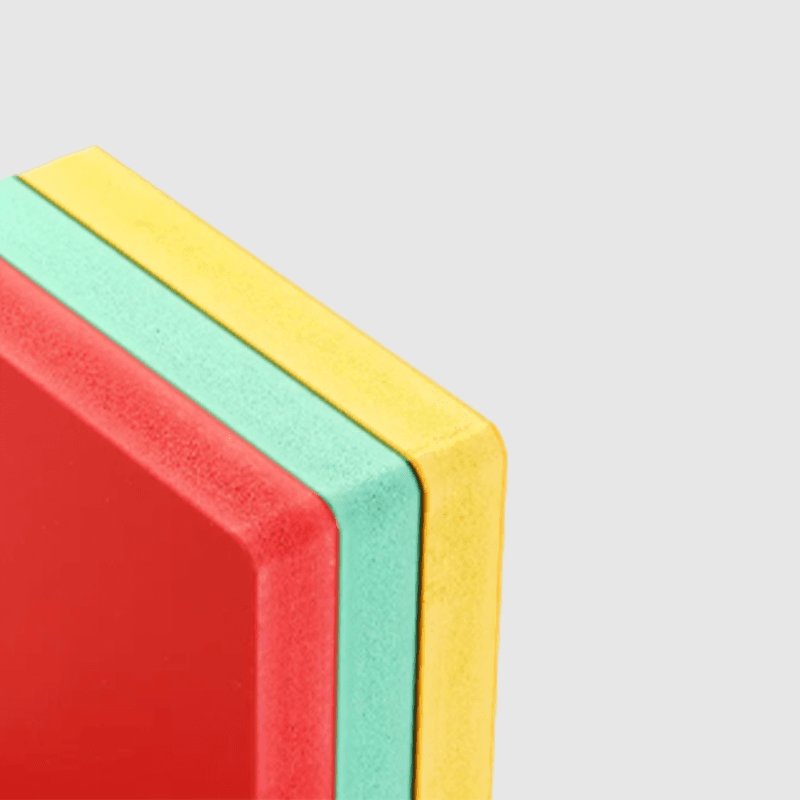
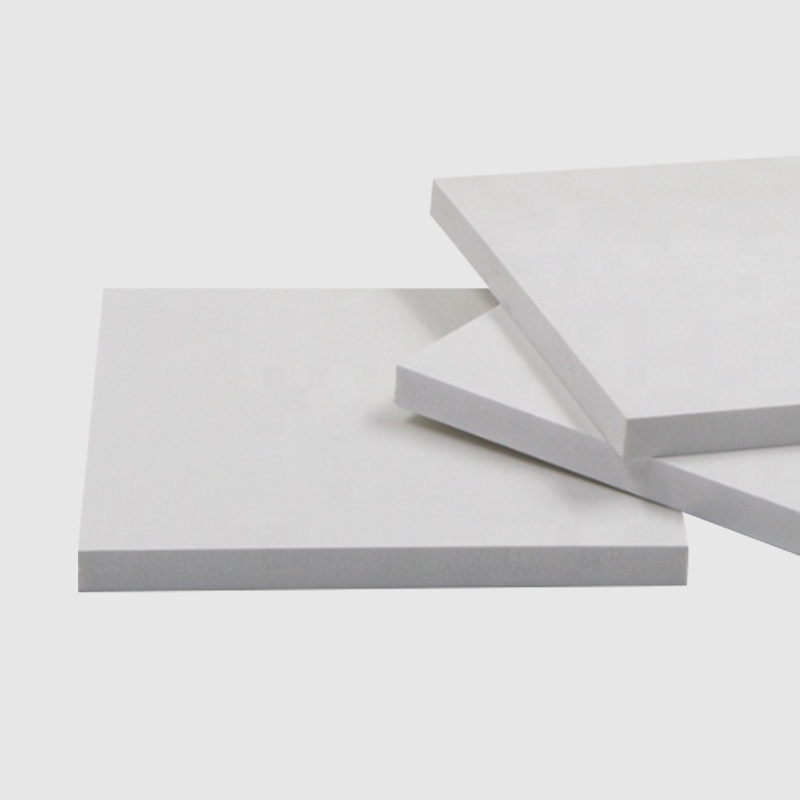
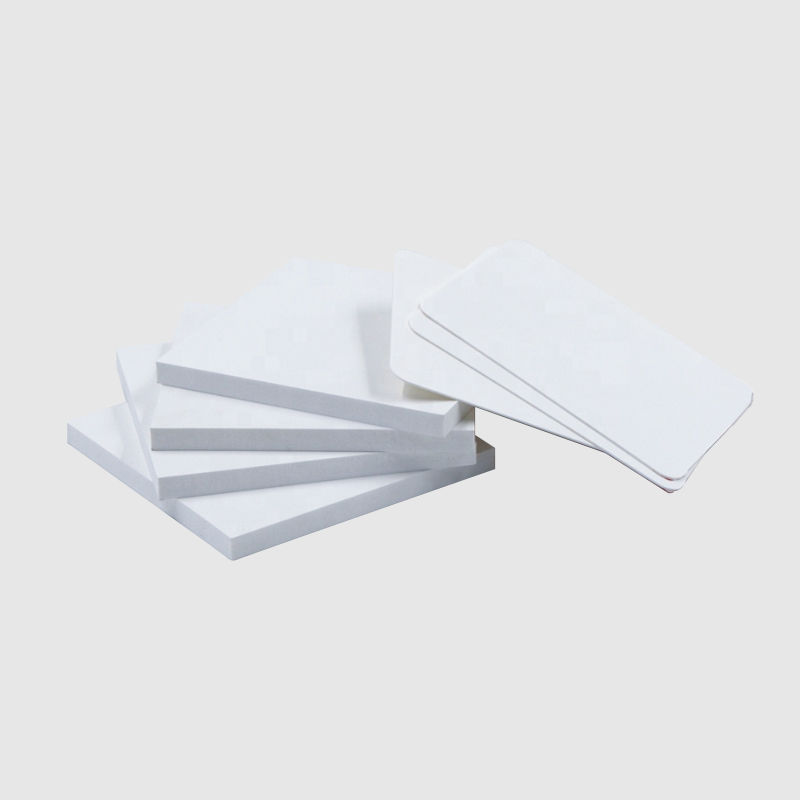
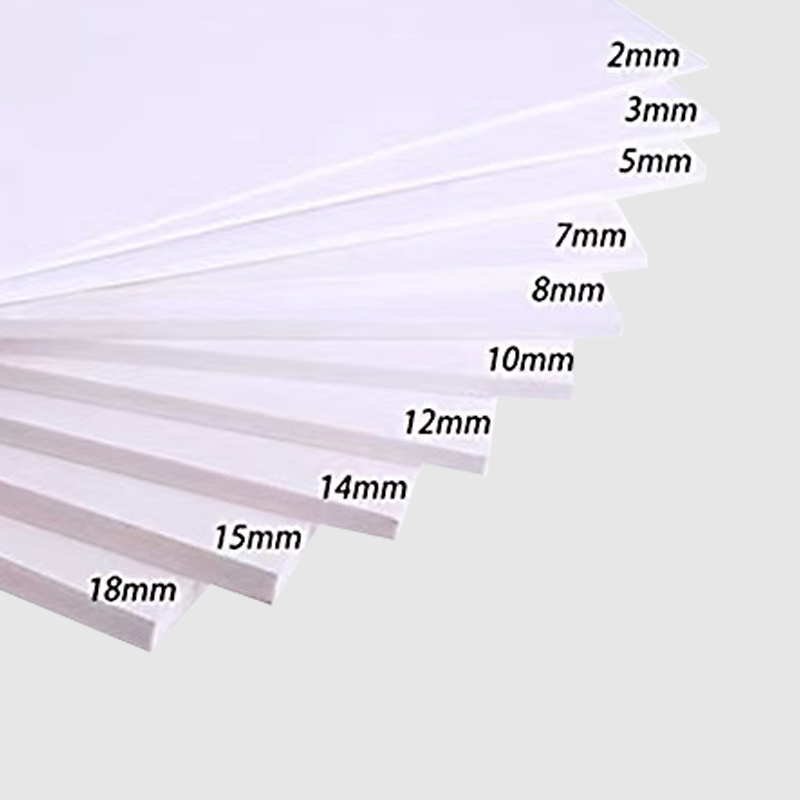
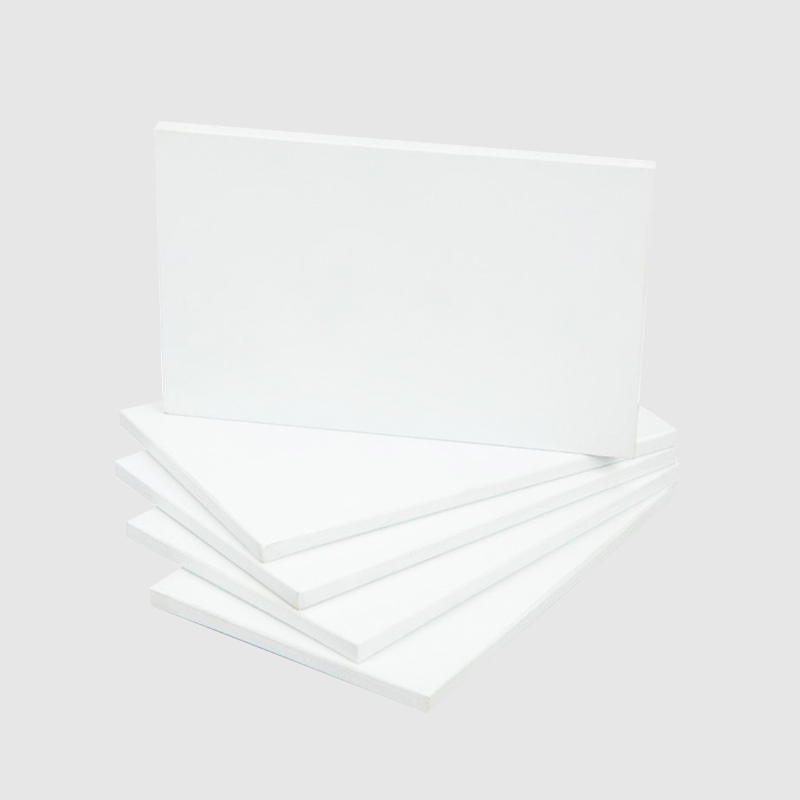
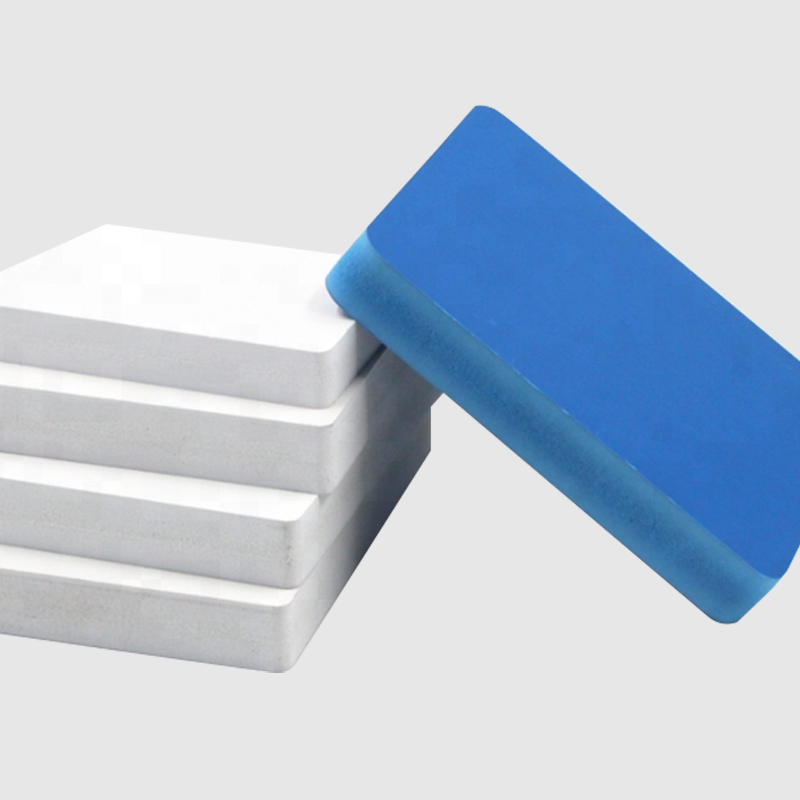

Jiatao Industry Co., Ltd. is a professional manufacturer of polyvinyl chloride plastic boards in China, dedicated to the production of PVC foam boards, plastic wood foamboards, as well as colorful pVC for extruded foam board sheet manufacturers.
-
ADDRESS
No.65 Liminba, Yinong Town, Xiaoshan District, Hangzhou, Zhejiang, China
-
EMAIL
-
PHONE
+86-17816178586
MOBILE SITE



Copyright © Jiatao Industry Co., Ltd. All Rights Reserved.
Custom Rigid PVC Plastic Foam Boards Suppliers

Contact Us