

 English
 Español
 عربى
عربى
Home / News / Industry News / Expert Tips on Improving PVC Foam Sheet Processing Performance for Fabricators
Expert Tips on Improving PVC Foam Sheet Processing Performance for Fabricators
Article Directory
Feathery edges after CNC routing, ink that beads up instead of wetting out, screw holes that strip during assembly. If you have worked with PVC foam sheets for more than a few months, you have seen all three. The usual impulse is to slow the spindle, swap the cutter, or change the ink. In most cases, however, the root cause sits inside the sheet itself: its foam structure, its density, and the production consistency of the board you are feeding.
Here is the conclusion up front: you can improve PVC foam sheet processing performance without overhauling your workshop. Match the sheet grade to the fabrication steps you actually run, control the temperature and humidity around the material, and buy from a manufacturer that holds tight tolerances. Get those right, and most edge, adhesion, and stability problems disappear before the sheet reaches your tooling.
Why the Board Structure Decides Your Finish Quality
The first decision is not which tool to buy, but which cross-section to choose.
Free foam sheets keep a continuous cell structure from face to face. They are economical, light, and easy to cut, which makes them a default choice for display graphics and exhibition boards. The trade-off shows up on machined edges: the exposed cells create slight porosity, and if you print solid colors directly onto the surface, the ink can sink into cell mouths and look mottled.
Celuka boards take a different route. The surface is cooled deliberately during extrusion, so a dense skin forms over the foamed core. That skin increases surface hardness and creates a much cleaner edge after routing. Fabricators who make furniture doors, cabinet panels, and architectural profiles usually prefer this structure because the part looks finished even before edge banding.
Coextruded boards go one step further by bonding a solid cap layer onto the core in a second extrusion step. The cap leaves no exposed cells at all, so ink wet-out is consistent, and routed edges are the cleanest of the three. This is the structure to choose when UV printing and visible joints matter in equal measure.
What Each Structure Means in the Workshop
| Property | Free Foam | Celuka | Coextruded |
|---|---|---|---|
| Cross-section | Foamed cells from face to face | Dense skin over foamed core | Solid cap layer over foamed core |
| Typical density | 0.45–0.60 g/cm³ | 0.55–0.75 g/cm³ | 0.55–0.70 g/cm³ |
| Machined edge | Slightly porous, acceptable for most signs | Clean edge, holds detail well | Cleanest edge, print-ready |
| Best-suited processes | Display graphics, exhibition boards | Furniture doors, architectural panels | UV printing, cabinetry, high-end signage |
Density: The First Number to Check Before You Cut
Board density is the most useful single value when you set up a saw, a router, or a drill. It predicts how the material will behave under a cutting edge better than any other published specification.
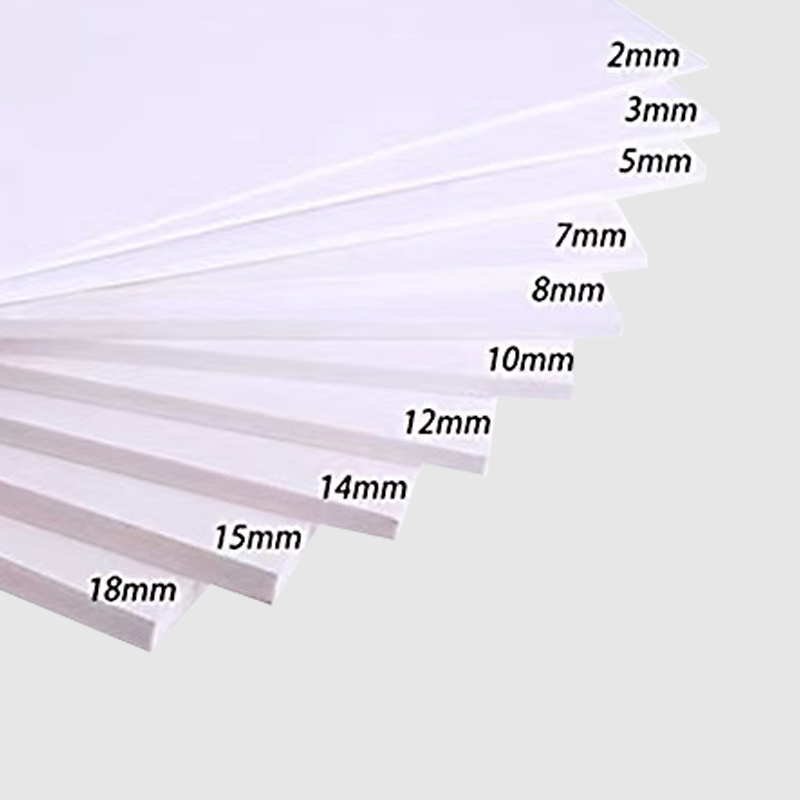
For 3–5 mm sign blanks, typical grades fall around 0.45–0.50 g/cm³. They cut fast and produce acceptable edges for lettering and simple shapes. As you move to 10 mm and thicker boards, edge quality becomes the limiting factor, and a higher density pays off. Cabinet components and panels that are seen edge-on benefit from material above 0.60 g/cm³; the denser cell structure resists tearing and produces a noticeably cleaner cut line.
High-density material also avoids a common failure: local melting caused by friction between a dull tool and foamed PVC. In practice, boards in the 0.65–0.75 g/cm³ range hold engraved details and sharp corners much better than lighter grades, which is why CNC shops that cut cabinet parts gravitate toward celuka and coextruded structures.
If detailed CNC surfacing or visible joints are part of your daily work, consider starting with a high-density rigid PVC celuka board and tune your speeds from there.
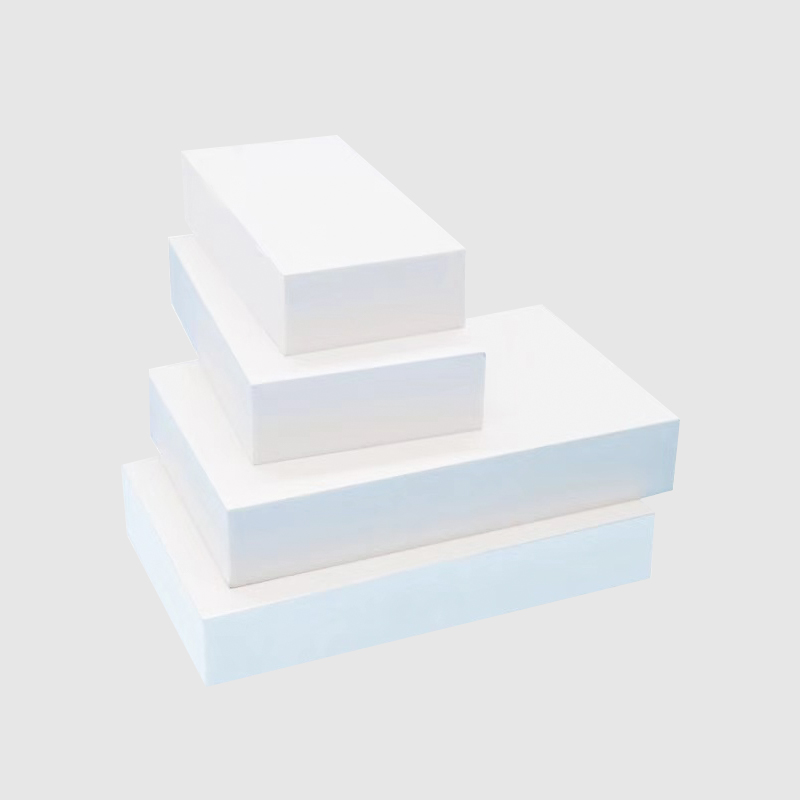 Wholesale OEM/ODM 4x8 expanded celuka sheets insulation waterproof and mouldprooOffer Wholesale 4x8 expanded celuka sheets insulation waterproof and mouldproof pvc foam board, Jiatao Industrial Co., Ltd is China OEM/O...View Product →
Low, Medium and High Density in Practice
- 0.45–0.50 g/cm³ — lightweight display boards, fast cutting, acceptable lettering edges
- 0.55–0.65 g/cm³ — general fabrication, balanced edge quality and speed
- 0.65–0.80 g/cm³ — furniture parts, visible panels, deep engraving, reliable screw holding
Cutting Parameters for Clean Edges and Steady Tolerances
Once the board structure and density are right, the machine settings become predictable. Start with the tool, then tune the feed rate.
Use sharp carbide spiral tooling for routing. A two-flute spiral bit is a solid all-round choice for 3–18 mm board; a single-flute tool clears chips better in deep cuts but leaves a slightly rougher surface finish. For thin sheet below 6 mm, vibration is your real enemy. Clamp the board to a spoil board or run it under a vacuum pod, because any movement turns a clean shear into a ragged edge.
Spindle speed should be adjusted to density rather than board thickness. At 18,000 rpm with a 6 mm cutter, a 0.50 g/cm³ board will cut comfortably at a feed rate of 2–3 m/min. When you step up to 0.70 g/cm³ material, reduce the feed to roughly 1.5–2 m/min so the tool can clear the denser chip stream. For finishing passes, keep the step-over at or below one-third of the tool diameter.
These starting points change slightly for wood-plastic composite grades because mineral fillers wear tooling faster. A WPC foam board produced for cutting and moulding holds tolerances well across repeated cabinet parts, but expect to inspect edges every few sheets and reduce cutting speed by roughly 10–15% compared to standard free foam.
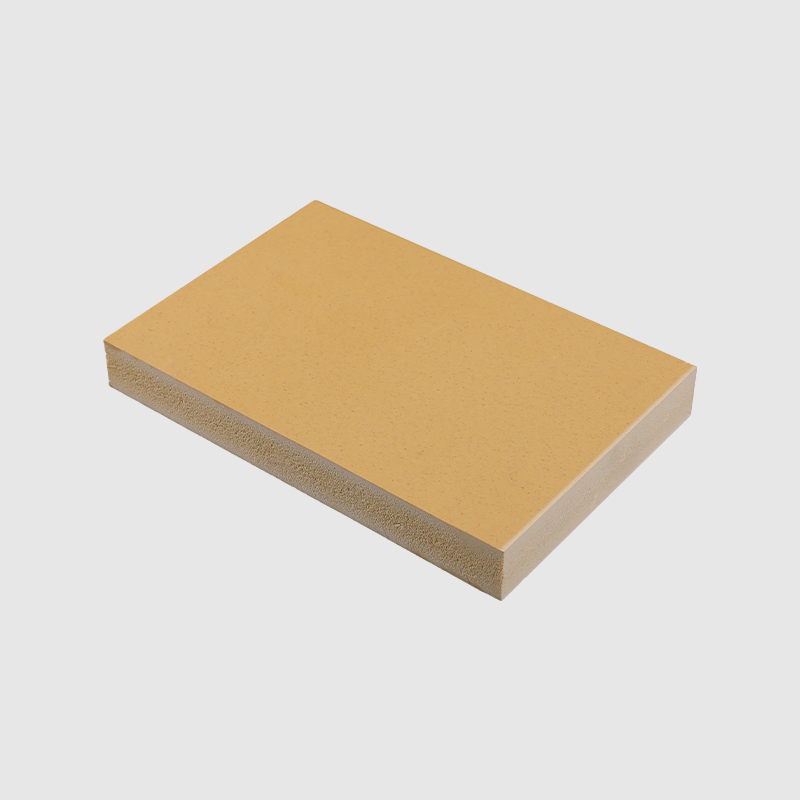 Wholesale OEM/ODM 4x8ft wood plastic composite wpc foam board waterproof pvc sheOffer Wholesale 4x8ft wood plastic composite wpc foam board waterproof pvc sheets construction kitchen bathroom cabinets cutting moulding...View Product →
For a complete reference on cutters, step-over values, and finish troubleshooting, see our guide on CNC cutting tool selection for PVC foam sheets.
Thin Boards, Thick Boards, and the Clamping In-Between
Thin material flexes under load; thick material traps heat in deep cuts. Adjust your hold-down strategy accordingly: full-surface vacuum for sheets under 6 mm, and perimeter clamping plus a proper chip clearance plan for material above 15 mm.
Surface Energy and the Printing Stage
UV ink needs a surface energy of at least 38–44 dyne/cm to wet out properly. A freshly extruded PVC foam board often measures below that level because additives and antistatic agents migrate to the surface during cooling. The practical result is ink that beads, weak colors, or adhesion failure after curing.
Wiping with solvent is insufficient for consistent results. Corona treatment or flame treatment helps, but a more reliable solution is to choose a board with a solid cap layer. The difference is straightforward: on free foam, ink settles into the cell mouths and makes solid areas look patchy; on a coextruded cap, the ink stays on top and holds its density.
Fabricators who print regularly should evaluate a smooth-surface PVC coextrusion foam board to avoid the porosity problem before it affects a production run.
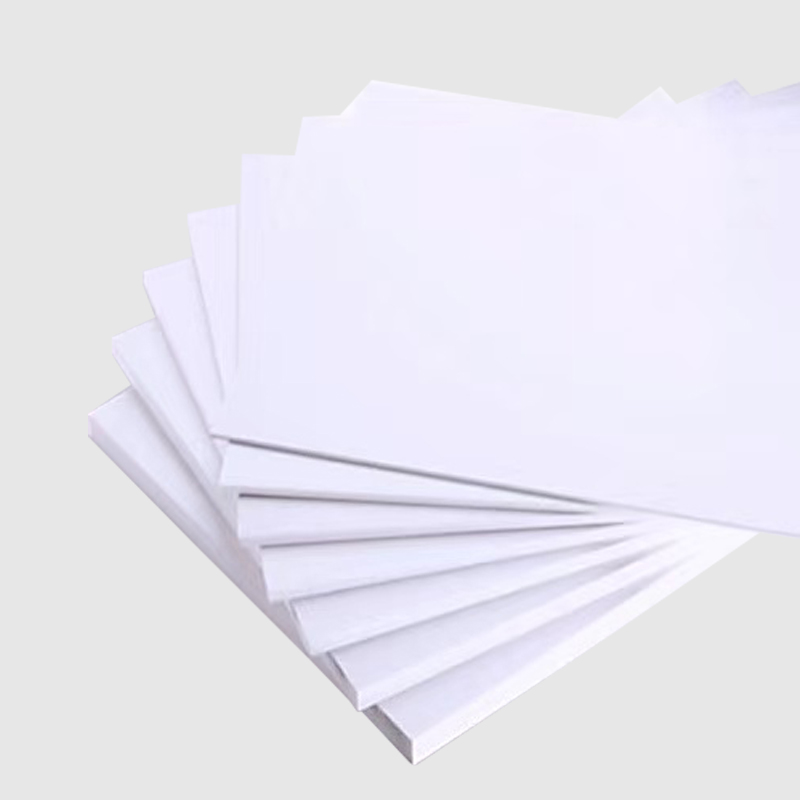 Wholesale OEM/ODM Pvc co-extruded foam board smooth surface extra rigid plastic Offer Wholesale Pvc co-extruded foam board smooth surface extra rigid plastic pvc sheets waterproof soundproof, Jiatao Industrial Co., Lt...View Product →
Thickness tolerance also affects lamination. When sheets vary by more than ±0.3 mm, a wide laminating roller applies uneven pressure across the sheet face. Sheets held to ±0.2 mm or better on the 3–18 mm range keep the laminating output uniform.
For a deeper look at the surface energy issue and how to test it in-house, read our article on surface tension and UV ink adhesion.
The Dyne Range and Why It Matters
Test pens are cheap, they take five seconds per board, and they tell you whether a batch is ready for ink. If the surface reads below 38 dyne/cm, do not adjust the printer; adjust the board supply or request pre-treatment from the manufacturer.
Supplier Discipline: Tolerances You Can Verify
Board that varies from batch to batch makes every machine setting a compromise. When you see inconsistent cutting behavior from sheets that look identical, the cause is usually upstream: extrusion temperature drift, uneven cooling, or not enough maturing time before packing. None of these show up in a visual inspection, but they all affect how the sheet machines.
Questions to Ask Your Board Supplier
Ask your supplier for three numbers: density tolerance, thickness tolerance, and the rest time between extrusion and packaging. A density tolerance of ±5%, a thickness tolerance of ±0.2–0.3 mm, and a clear maturing schedule are the kind of details that separate a controlled product from a lottery ticket.
Custom Sizes as an Anti-Waste Measure
Boards that arrive close to finished width reduce your saw time and avoid the edge damage that often happens when a full-size sheet is transported and re-cut. A net-sized board also eliminates the first and last 10 mm of every sheet, where edge quality variations concentrate.
Get the sheet cut to a working size near your net panel size, and you cut waste twice: once in square meters, once in labor.
If the supplier publishes their quality checks, use them. Our overview of supplier quality inspection for PVC foam boards lists the checks and sampling methods worth asking about before you commit to a container order.
Final Takeaway
Improved PVC foam sheet processing performance is not a matter of buying a faster router or a better ink. It is a matter of matching the board structure to your final finish, setting the machine for the density you actually ordered, confirming surface energy before printing, and choosing a supplier who publishes tolerances and then holds them. When those four decisions are right, the feathered edge, the mottled solid, and the stripped screw hole stop being regular visitors.
Recommended NEWS:
In public facility construction and home decoration, how does Waterproof PVC Celuka Foam Sheets meet the dual needs of waterproofing and sound insulation?
PVC Free Foam Board's multiple applications and environmental advantages in the field of transportation
PVC cellular board Suppliers quality inspection: ensure the comprehensive guarantee of product performance
PVC foam board is ideal for billboards and exhibition boards
Application of White High-Tech PVC Plastic Foam Sheets in Advertising and Exhibition Display
What is the environmental performance of PVC Sheets?
Related Products
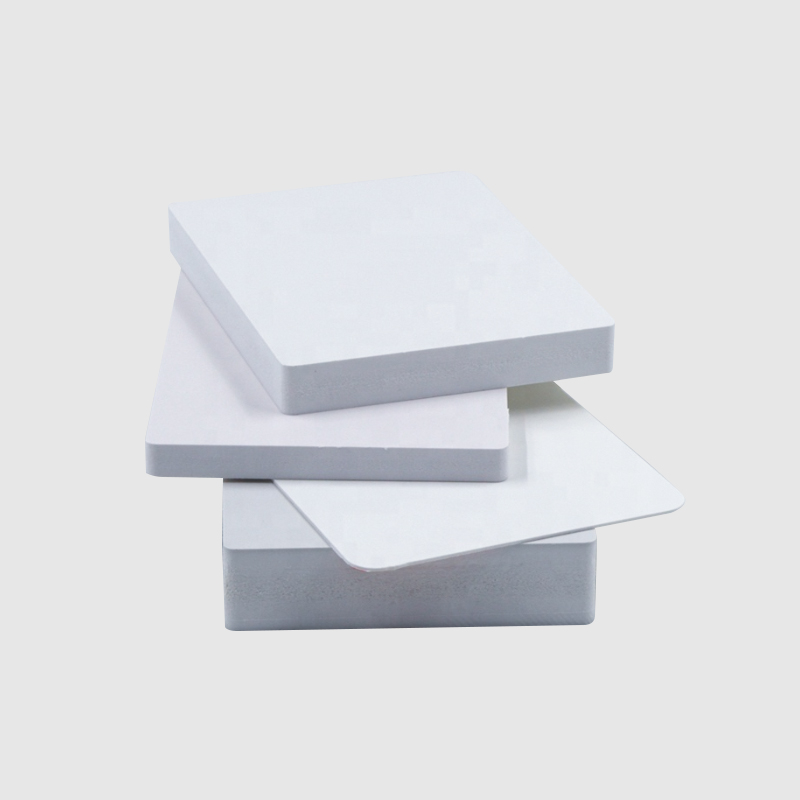

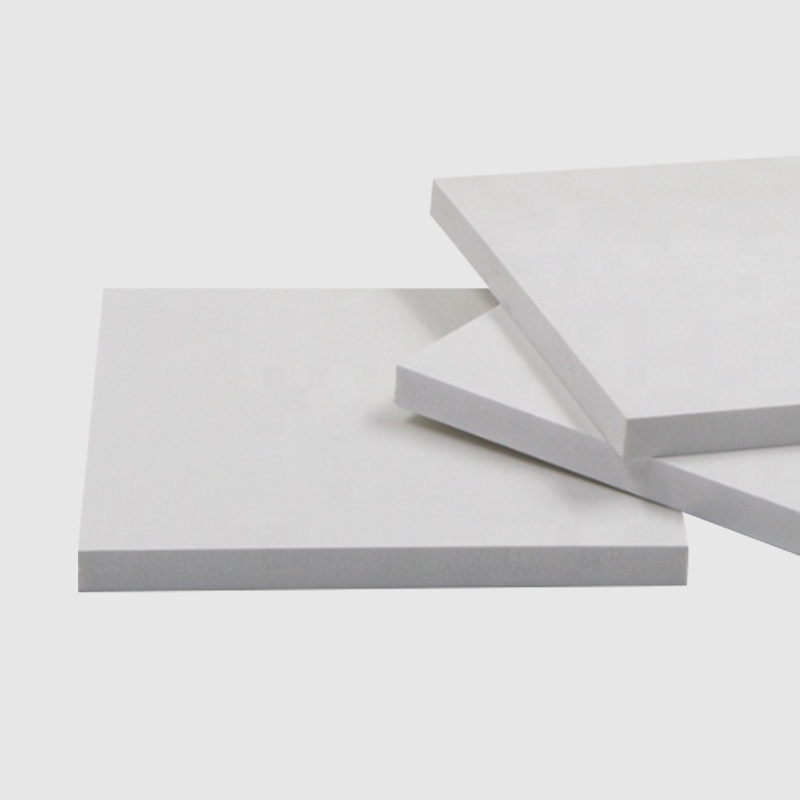
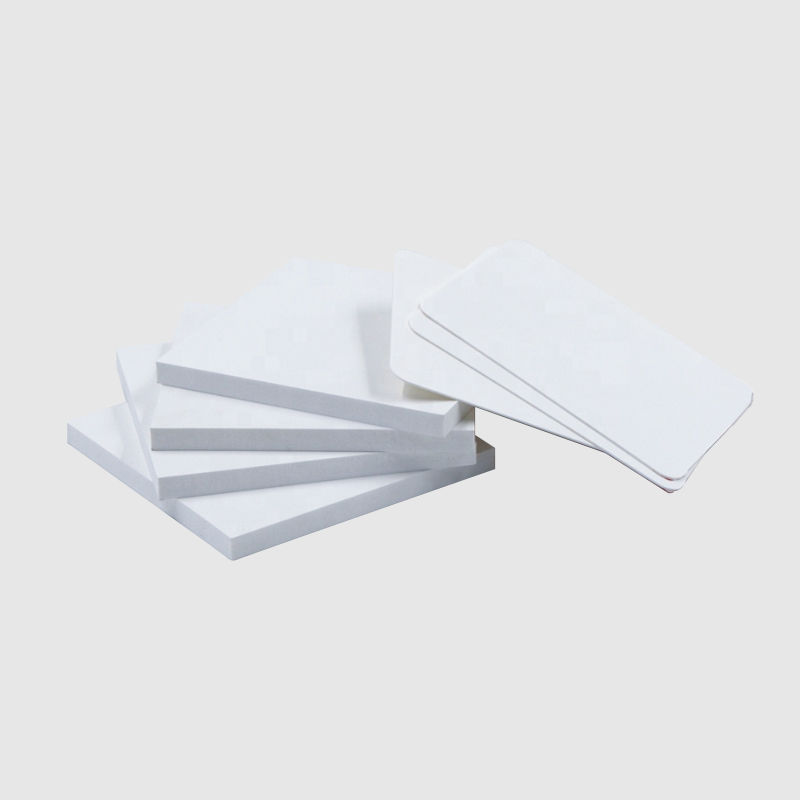

Jiatao Industry Co., Ltd. is a professional manufacturer of polyvinyl chloride plastic boards in China, dedicated to the production of PVC foam boards, plastic wood foamboards, as well as colorful pVC for extruded foam board sheet manufacturers.
-
ADDRESS
No.65 Liminba, Yinong Town, Xiaoshan District, Hangzhou, Zhejiang, China
-
EMAIL
-
PHONE
+86-17816178586
MOBILE SITE



Copyright © Jiatao Industry Co., Ltd. All Rights Reserved.
Custom Rigid PVC Plastic Foam Boards Suppliers

Contact Us