

 English
 Español
 عربى
عربى
How Celtec PVC Foam Board Supports Lightweight Durable Panels
Article Directory
- 1 What Is Celtec PVC Foam Board and Why Is It Used for Panel Applications?
- 2 Key Advantages of Celtec PVC Foam Board for Lightweight Panel Solutions
- 3 Applications of Celtec PVC Foam Board in Different Industries
- 4 How to Choose the Right Celtec PVC Foam Board for Panel Manufacturing
- 5 Why Reliable PVC Foam Board Supply Matters for Panel Manufacturers
- 6 Frequently Asked Questions
Panel manufacturers switching from plywood, MDF, or acrylic to Celtec PVC Foam Board almost always cite the same three reasons: less weight to move, less time to machine, and a surface that holds a finish without extra prep. This lightweight PVC foam board has become a standard substrate across signage, exhibition, interior decoration, and industrial panel fabrication because it solves the tradeoff heavier boards cannot: staying rigid enough to hold a structure while staying light enough to install fast.
What Is Celtec PVC Foam Board and Why Is It Used for Panel Applications?
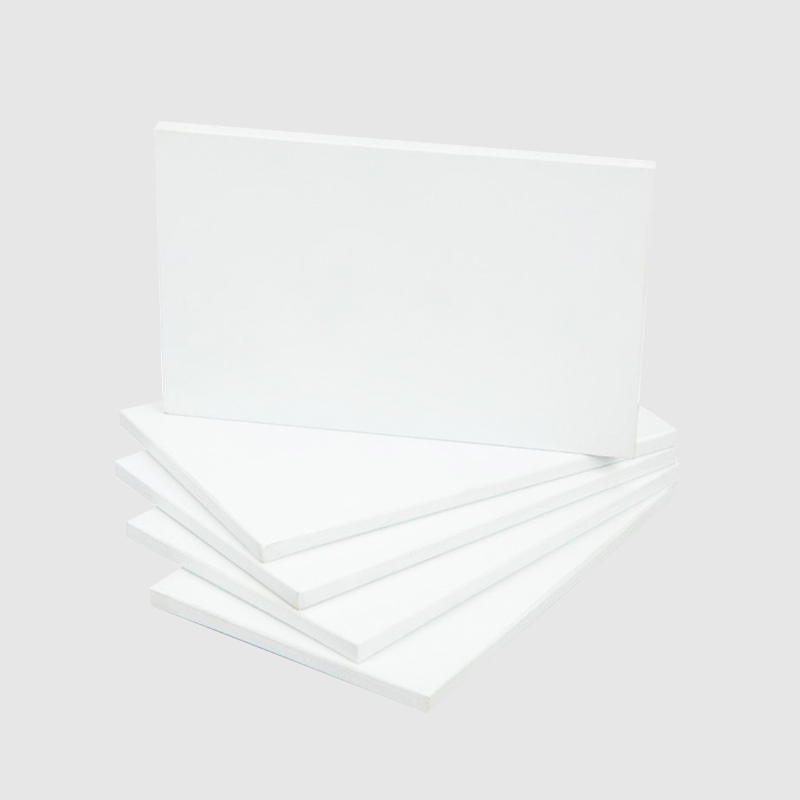
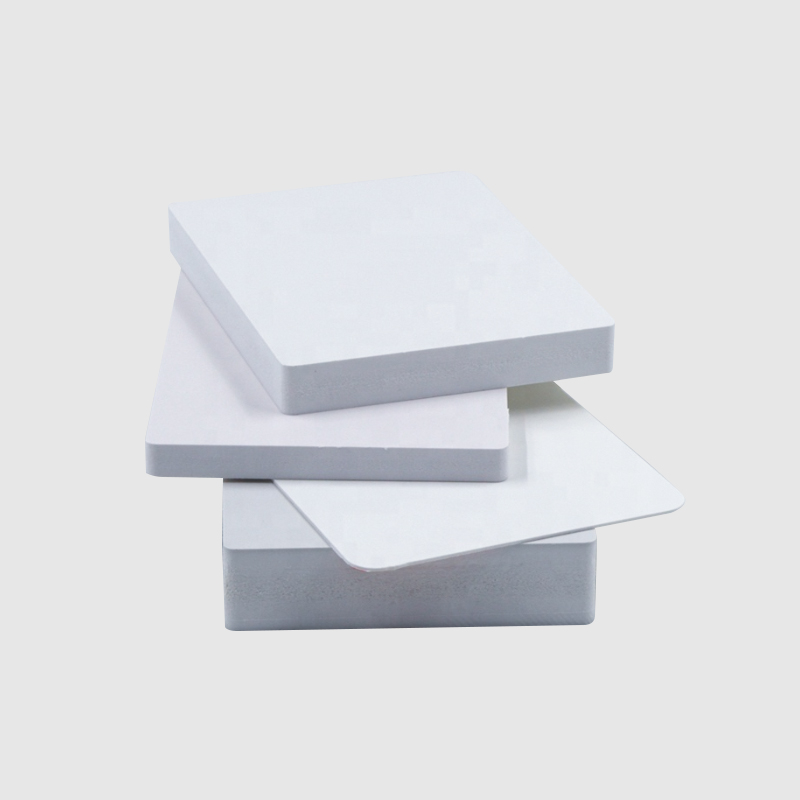
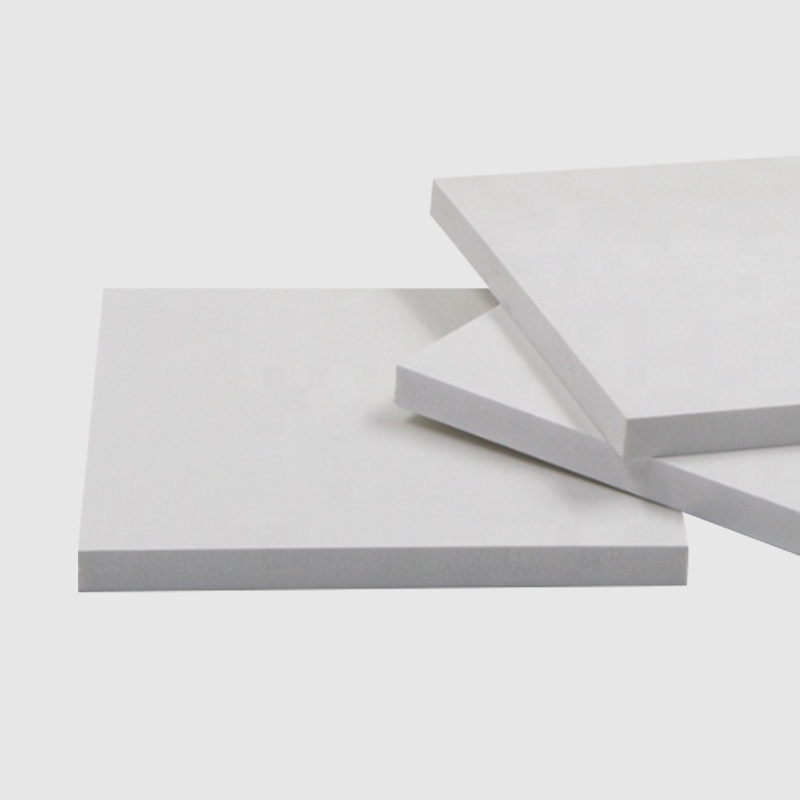
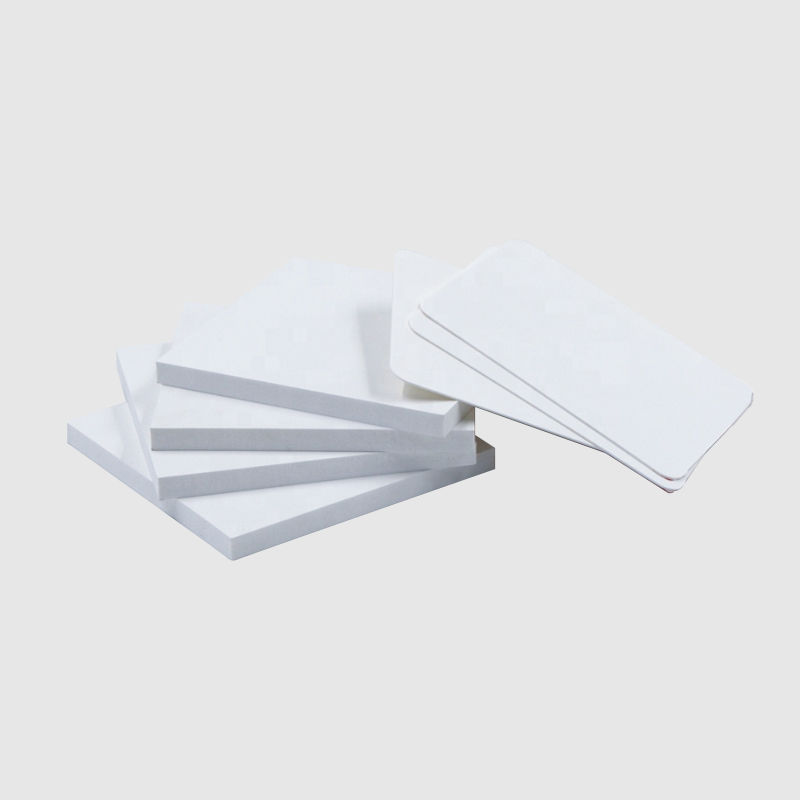
Celtec PVC Foam Board is a closed-cell rigid PVC sheet material engineered for a high strength-to-weight ratio, moisture resistance, and consistent machinability across panel fabrication work.
Lightweight PVC Foam Structure for Easy Handling
The board's low-density, closed-cell core removes the excess mass that makes plywood and MDF slow to move and expensive to ship. Sign shops and display fabricators handle full sheets with fewer people, cut installation time on wall panels, and reduce freight cost on large exhibition orders without giving up sheet rigidity.
Durable Material Performance for Long-Term Use
Underneath the light weight is a material built to hold its shape. Impact resistance keeps edges and corners intact during transport and installation, moisture resistance prevents the swelling and delamination that plywood suffers in humid environments, and dimensional stability keeps panels flat rather than warping under temperature shifts. That combination suits commercial interiors and industrial settings that need a panel to look the same after years of use as it did on day one.
Material Performance Profile: Foam Board vs Plywood
PVC Foam Board Plywood
Key Advantages of Celtec PVC Foam Board for Lightweight Panel Solutions
The core value of Celtec PVC Foam Board comes from pairing structural performance with processing ease, which is why it shows up across architectural panels, exhibition displays, and custom fabrication work.
Structural Advantages
- Excellent strength-to-weight ratio reduces load requirements on mounting structures
- Moisture and weather resistance protects indoor and semi-outdoor installs from deformation
- Stable performance across projects means less variation between production runs
Processing & Finishing Advantages
- CNC-compatible for clean cutting, routing, and drilling
- Smooth surface accepts printing, coating, and laminate finishes without extra prep
- Low maintenance once installed, with a long service life
Applications of Celtec PVC Foam Board in Different Industries
Three industries account for most of the demand for this material, each pulling on a different combination of its properties.
Signage & Display
Advertising boards, POP displays, and exhibition panels benefit from lightweight installation and high-quality surface printing.
Interior Decoration
Wall panels, decorative partitions, and furniture components use it for a clean appearance and moisture resistance.
Industrial & Commercial
Equipment panels, protective covers, and custom fabricated components rely on its stable structure.
How to Choose the Right Celtec PVC Foam Board for Panel Manufacturing
Matching the right sheet to a project comes down to four checks buyers consistently run before ordering.
-
Confirm Thickness and Density
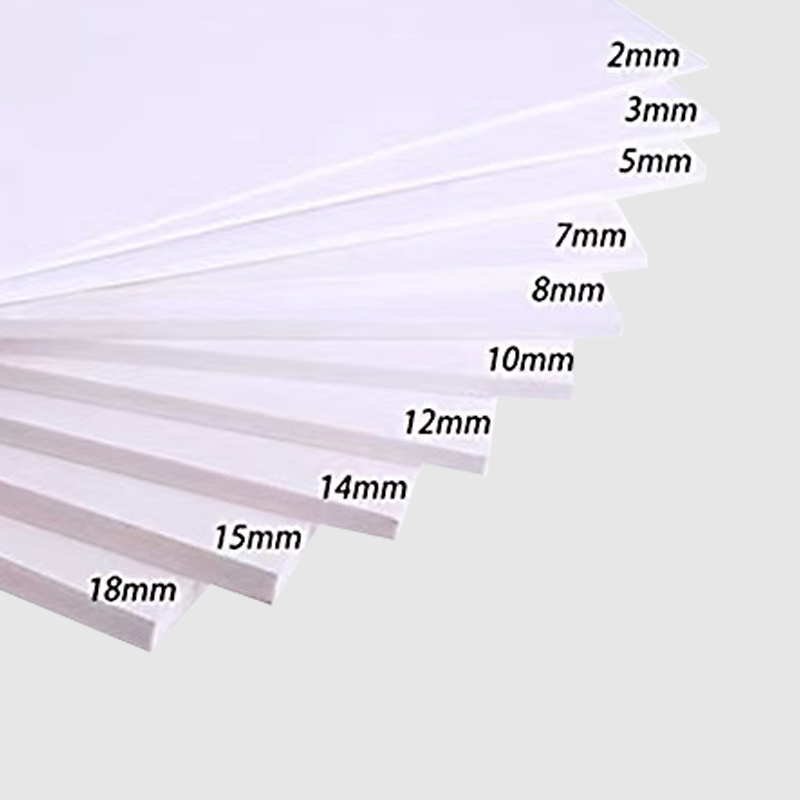
Match sheet thickness and density to the load and rigidity the panel needs to carry.
-
Check Surface and Processing Compatibility
Verify printing quality, lamination compatibility, and how the sheet performs under your machining setup.
-
Match Material to Application Conditions
Weigh indoor versus outdoor exposure, humidity levels, and the mechanical stress the panel will face.
-
Assess Supplier Quality and Supply Capability
Confirm consistent production quality, stable supply, technical support, and the ability to customize specs.
Installation Effort Index by Panel Material
Lower score reflects fewer people, less time, and less equipment needed to cut, move, and mount the sheet.
Why Reliable PVC Foam Board Supply Matters for Panel Manufacturers
!
A single inconsistent batch of foam board can stall a production line for days. Manufacturers running this material at scale need a supplier that holds tight tolerances on density and thickness, offers custom specifications, and has the production capacity and quality control to deliver on schedule, backed by technical support that helps solve fabrication issues before they become downtime.
Celtec PVC Foam Board gives panel manufacturers a lightweight, durable, and easy-to-process substrate for signage, interior decoration, and industrial fabrication. Pairing that material with a supplier that holds consistent quality at volume is what turns a good sheet into a dependable production input.
Frequently Asked Questions
What makes Celtec PVC Foam Board lighter than plywood or MDF?
Its closed-cell foam core removes the density that solid wood-based boards carry, cutting sheet weight while keeping enough rigidity for panel-grade structural use.
Is Celtec PVC Foam Board suitable for outdoor signage?
It performs well in semi-outdoor and moisture-exposed settings due to its water resistance, though direct long-term outdoor exposure should be checked against the specific grade and thickness selected.
Can Celtec PVC Foam Board be printed on directly?
Yes, its smooth surface accepts direct printing, coating, and laminate finishes without additional surface preparation in most fabrication workflows.
What thickness range works best for wall panel applications?
Thickness selection depends on span and load requirements, which is why matching density and thickness to the specific installation is one of the first checks buyers should run before ordering.
Recommended NEWS:
How to deal with board deformation during the production process of PVC Celuka Board?
PVC Free Foam Board's multiple applications and environmental advantages in the field of transportation
How to ensure the installation quality of PVC Ceiling Panel
Laminated PVC Foam Board has the advantages of being moisture-proof and water-resistant compared to other materials
The profound influence of production process on the weather resistance of PVC Foam Board
Custom Laminated PVC Foam Board: A versatile material with excellent waterproof performance
Related Products


Jiatao Industry Co., Ltd. is a professional manufacturer of polyvinyl chloride plastic boards in China, dedicated to the production of PVC foam boards, plastic wood foamboards, as well as colorful pVC for extruded foam board sheet manufacturers.
-
ADDRESS
No.65 Liminba, Yinong Town, Xiaoshan District, Hangzhou, Zhejiang, China
-
EMAIL
-
PHONE
+86-17816178586
MOBILE SITE



Copyright © Jiatao Industry Co., Ltd. All Rights Reserved.
Custom Rigid PVC Plastic Foam Boards Suppliers

Contact Us