

 English
 Español
 عربى
عربى
Home / News / Industry News / OEM PVC Celuka Foam Sheet Manufacturing Guide: Process, Quality, and Supplier Selection
OEM PVC Celuka Foam Sheet Manufacturing Guide: Process, Quality, and Supplier Selection
Article Directory
- 1 What Is a PVC Celuka Foam Sheet?
- 2 Why the Manufacturing Process Matters to OEM Buyers
- 3 Key Manufacturing Parameters That Define Board Quality
- 4 What to Look for in an OEM Celuka Foam Sheet Manufacturer
- 5 Where OEM Celuka Foam Sheets Are Used
- 6 Questions to Ask Before Placing an OEM Order
- 7 Choosing a Celuka OEM Partner You Can Scale With
When a furniture manufacturer specifies a 15 mm white PVC Celuka foam sheet at 0.65 g/cm3, they are not asking for a thickness and a density number. They are asking for a board that stays flat after CNC routing, resists edge dents during assembly, and holds screws near the surface without tearing out. Those behaviors are not added later at a cutting table. They are built into the sheet during manufacturing. That is why OEM PVC Celuka foam sheet manufacturing deserves a closer look before you commit to a supplier.
Here is the short version: a Celuka foam sheet gets a dense, hard outer skin and a fine cellular core in one continuous extrusion. The manufacturer's choices in compounding, die design, cooling, and calibration decide most of the properties you will test at incoming inspection. This guide walks through the process, the parameters that matter, and the questions worth asking a potential OEM partner.
What Is a PVC Celuka Foam Sheet?
A PVC Celuka foam sheet is a rigid PVC board produced through the Celuka extrusion process. In international trade it is often called cellular PVC board or simply Celuka sheet. Unlike free-foam PVC board, which has a soft and porous surface across its full thickness, Celuka boards are formed with a compact outer skin and an expanded, foam-like interior.
The process is straightforward in principle but demanding in execution. PVC resin is mixed with stabilizers, lubricants, blowing agents, and fillers, then melted in an extruder. The molten compound passes through a die and into a cooling calibrator. The outer layer solidifies against the cooled calibrator surface to form the dense skin, while the interior expands with gas released by the blowing agent, creating the cellular core. The board then moves through additional cooling, haul-off, and cutting stations. The result is a sheet that combines the rigidity and surface hardness of solid PVC with a lighter, more economical core.
Because the skin is created at the same time as the core, Celuka boards offer better surface quality than free-foam sheets at the same density. That is why they are often specified for CNC-cut signs, cabinet doors, display panels, and interior wall cladding, and why most OEM buyers prefer them when print adhesion, edge finish, or fastener holding matters.
If you are evaluating options, a good starting point is a PVC Celuka foam board product range showing the thicknesses, densities, and finishing options available from one manufacturer.
Why the Manufacturing Process Matters to OEM Buyers
OEM buying is not just purchasing a raw board. It is getting the same performance from every batch. The Celuka process influences that performance in ways that are easy to overlook.
First, density consistency dictates mechanical behavior. A board with an uneven cell structure can warp, cut poorly, or show visible sink marks after lamination. Second, skin quality determines how the board accepts UV ink, solvent paint, adhesive films, and CNC tooling. A thin or porous skin absorbs ink unevenly and leaves a rough edge after routing. Third, thickness tolerance affects everything downstream: if a board varies by more than 0.2 mm, cabinet doors do not align, and laminated panels develop surface irregularities.
Because those properties are fixed during production, an OEM buyer cannot correct them later in the workshop. Understanding the process gives you the vocabulary to set specifications, audit suppliers, and solve problems when they appear.
Key Manufacturing Parameters That Define Board Quality
Five parameters deserve attention before you sign an OEM agreement. Each has a measurable range and a direct effect on how the fabricated part performs.
| Parameter | Typical range | Practical impact |
|---|---|---|
| Density | 0.45-0.80 g/cm3 | Stiffness, screw holding, impact resistance, and cost per sheet |
| Skin thickness | 0.1-0.5 mm | Surface hardness, edge finish after CNC, print ink absorption |
| Thickness tolerance | +/- 0.1-0.3 mm | Panel alignment, lamination flatness, CNC precision |
| Cell structure | Fine and uniform | Warp resistance, screw tear-out, consistent edge quality |
| Surface finish | Matte to semi-gloss | UV print adhesion, paint acceptance, visual consistency |
Density deserves special attention because it is the most leveraged variable. Higher density raises rigidity and screw holding capacity but also increases weight and raw material cost. A well-made 0.6 g/cm3 Celuka board can outperform a poorly made 0.7 g/cm3 board in edge quality and flatness. That is why you cannot judge a board by density alone; you have to understand how the skin and core are formed. For a closer look, read this explanation of how density affects Celuka sheet strength and rigidity.
Skin thickness, meanwhile, is the feature that separates Celuka from free-foam. On a typical 15 mm Celuka sheet, the dense skin may be only 0.2-0.3 mm thick, but it carries most of the surface hardness. When fabricators route decorative shapes, the exposed edge shows a compact rim around the cellular core, giving the finished panel a professional appearance.
What to Look for in an OEM Celuka Foam Sheet Manufacturer
Not every supplier that lists "Celuka" on its website actually runs the process well. The line must keep melt temperature, die pressure, cooling rate, and haul-off speed inside tight windows. Small deviations produce warpage, sink marks, or inconsistent skin density. When evaluating an OEM partner, focus on capabilities you can verify.
Production Control and Process Stability
A reliable manufacturer can state its extrusion platform, typical density range, and standard thickness tolerance, and show how the process is monitored. Recipes for lead-free, fire-retardant, or UV-stable formulations are signs of mature compounding. Jiatao Industrial, for example, operates PVC foam board lines with the production and quality control of custom Celuka boards explained in detail, covering raw material selection, die calibration, and inspection stages.
Customization and OEM Flexibility
OEM demand rarely comes as a single SKU. Buyers often need custom thicknesses, special colors, printable surfaces, or densities tuned to a specific application. A manufacturer that can adjust the formulation and die setup without losing stability is worth more than one that only cuts standard board to size. Custom colors matched to Pantone references are a common requirement for door panel and signage customers, and experienced producers can keep the color formulation stable across batches.
Testing and Documentation
At minimum, ask for density test reports, thickness measurement data, and flatness checks for every production batch. Certification such as SGS, REACH compliance, and lead-free declarations matter for export into Europe and North America. A supplier that produces these documents consistently tells you more about its quality system than any sales brochure.
Where OEM Celuka Foam Sheets Are Used
OEM demand for Celuka sheets comes from industries that need the surface performance of solid PVC with the weight and cost advantages of a foam product. Typical applications include:
- Furniture: cabinet doors, wardrobe panels, shelving, and decorative trims that need a hard surface and moisture resistance
- Signage and printing: UV-printed displays, channel letter backs, and CNC-cut dimensional letters that need crisp edges and even ink adhesion
- Interior construction: wall panels, ceiling panels, skirting, and window trim where dimensional stability and flatness are critical
- Exhibition and retail: display fixtures, sample boards, and modular stands that must tolerate transport, assembly, and repeated handling
For cabinet and furniture manufacturers, the combination of skin hardness and water resistance makes Celuka a practical replacement for plywood in humid environments. For signage fabricators, the smooth printable surface and clean edge profile reduce finishing time. A high-density 4x8 ft rigid Celuka sheet for signage and cabinetry is one example of how this material is packaged for those uses.
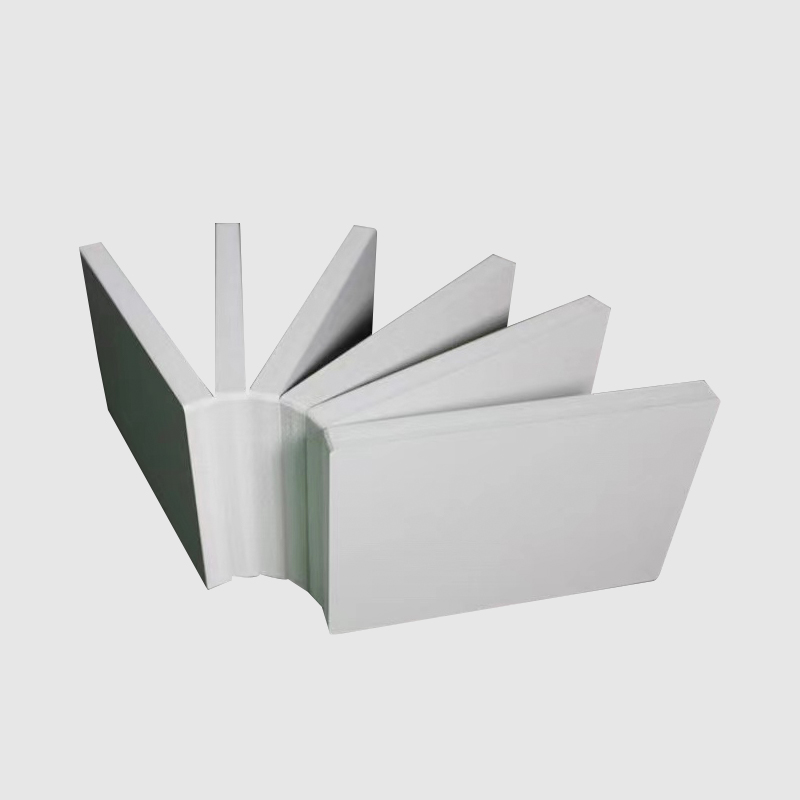 Wholesale OEM/ODM 4x8 feet high density 3mm 5mm 12mm rigid sheets celuca large pOffer Wholesale 4x8 feet high density 3mm 5mm 12mm rigid sheets celuca large pvc foam board, Jiatao Industrial Co., Ltd is China OEM/ODM ...View Product →
Questions to Ask Before Placing an OEM Order
Beyond price, MOQ, and lead time, include technical questions in your request for quotation. The answers separate experienced manufacturers from traders who simply resell board.
- What is the actual density range of the board you will ship, and how is it tested?
- What skin thickness can you achieve, and does it stay consistent across the full sheet width?
- What are your thickness tolerances for the specified board size?
- Do you offer custom colors and lead-free formulations?
- Can you supply batch test documentation for density, dimensional stability, and fire performance?
- How do you control warpage and flatness during the cooling and cutting stages?
Most of these questions matter because Celuka defects tend to appear late, after cutting, printing, or assembly. A board that passes a quick visual check can still distort when machined into narrow strips. Formal sampling matters as much as the quote.
Before committing to volume, validate a 4x8 ft panel against your actual fabrication process instead of relying on photos alone. Manufacturers with a strong OEM record will supply samples and discuss performance data openly. Do not limit the search to the lowest unit price; focus on repeatability and how well the board fits your process.
Choosing a Celuka OEM Partner You Can Scale With
The practical takeaway from this guide is simple: Celuka boards that look identical on the surface can perform very differently in the workshop. The manufacturing process determines your edge quality, printer compatibility, and long-term flatness. If you are buying in volume, prioritize a partner with documented process control, density verification, and a record of custom formulations.
Suppliers like Jiatao Industrial have built their product line around the process itself, from 3 mm printable sheets to 20 mm high-density panels. A waterproof rigid-surface Celuka board for furniture applications shows how one specification can serve a wide range of fabrication needs. If you need a thicker, higher-rigidity option for structural panels, a high-density 20 mm white Celuka sheet is worth testing against your application.
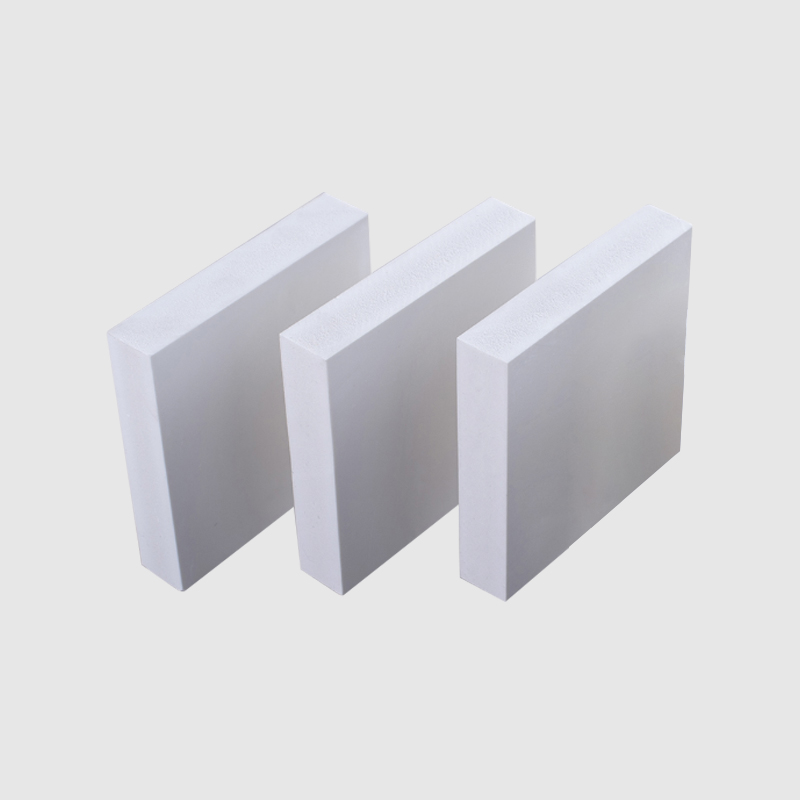 Wholesale OEM/ODM High density rigid white plastic 4x8ft 20mmplastic forex celukOffer Wholesale High density rigid white plastic 4x8ft 20mmplastic forex celuka free pvc foam sheet board, Jiatao Industrial Co., Ltd is ...View Product →
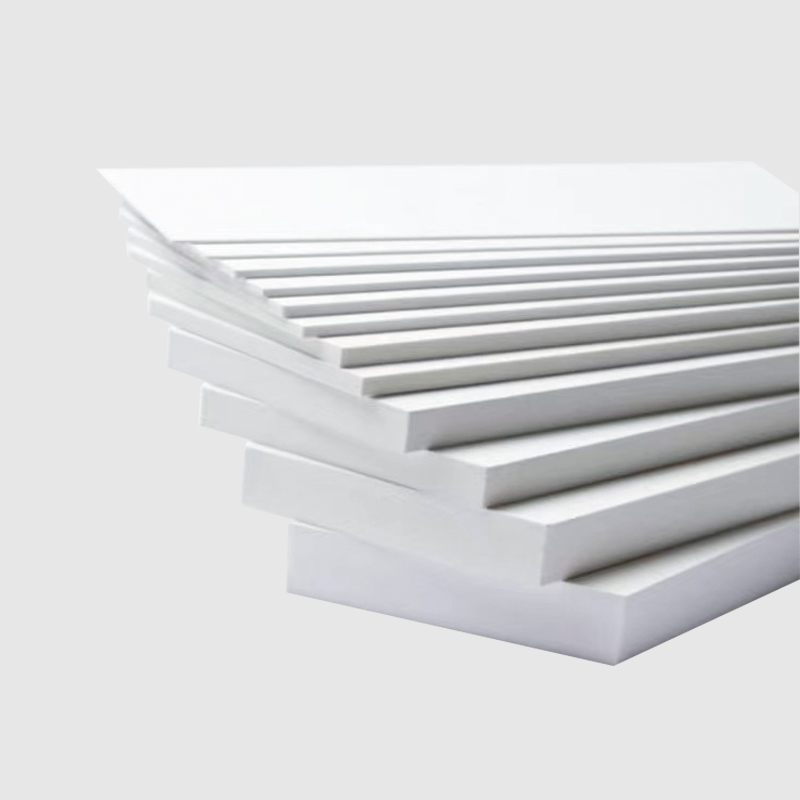 Wholesale OEM/ODM Pvc foam board celuka sheet rigid surface high density 3mm-17mOffer Wholesale Pvc foam board celuka sheet rigid surface high density 3mm-17mm furniture application water proof pvc board white color r...View Product →
Use the questions in this guide as your checklist. The right OEM partner will not just sell you a board; they will show you how it is made, prove the numbers, and stand behind every batch.
Recommended NEWS:
In public facility construction and home decoration, how does Waterproof PVC Celuka Foam Sheets meet the dual needs of waterproofing and sound insulation?
PVC Free Foam Board's multiple applications and environmental advantages in the field of transportation
Application of White High-Tech PVC Plastic Foam Sheets in Advertising and Exhibition Display
Laminated PVC Foam Board has the advantages of being moisture-proof and water-resistant compared to other materials
Moisture-proof and waterproof properties of PVC Celuka Board
PVC foam board is ideal for billboards and exhibition boards
Related Products
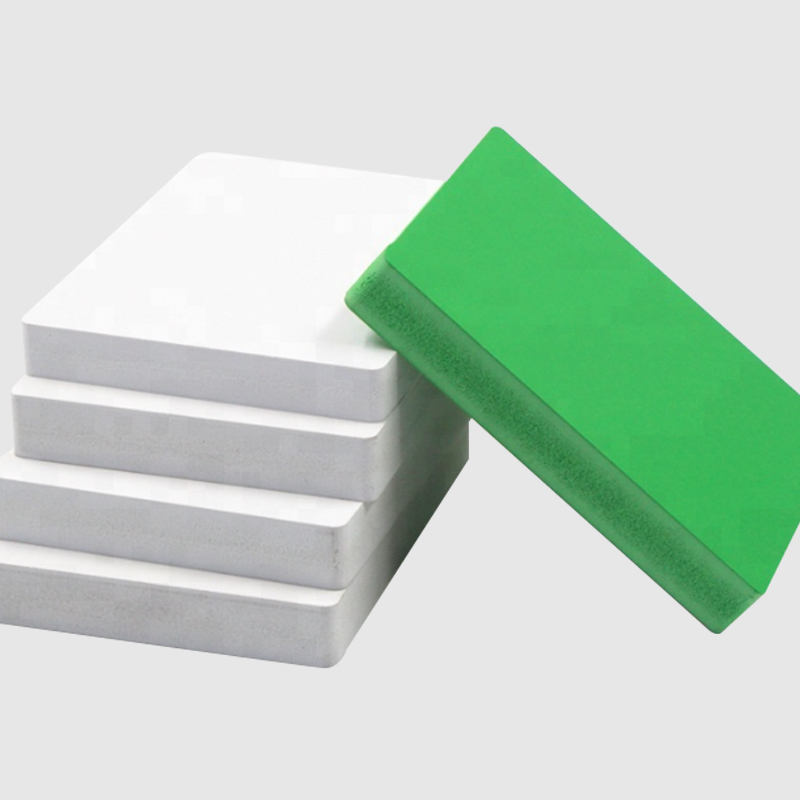
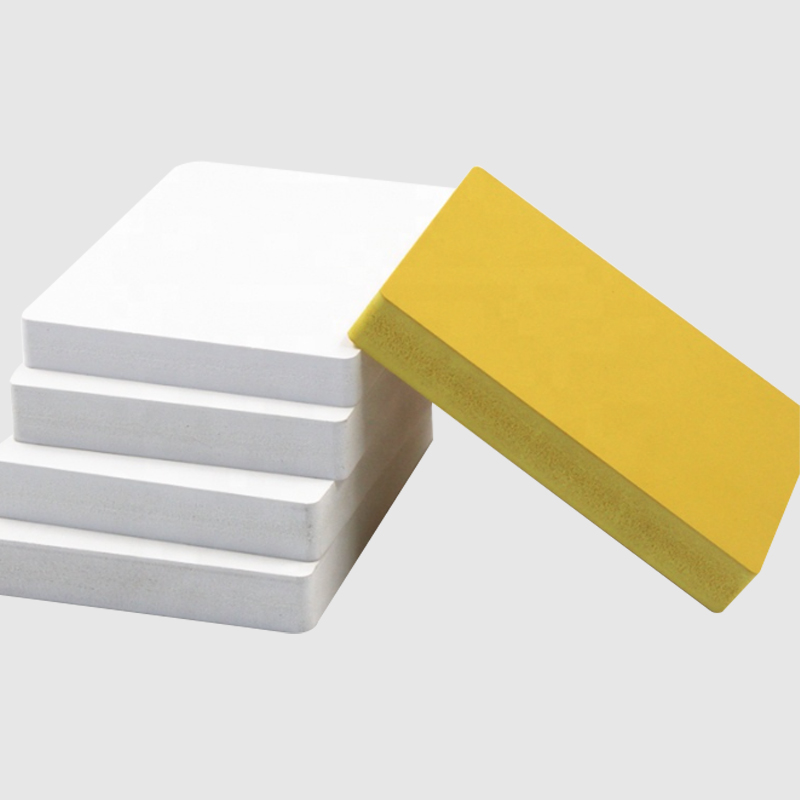
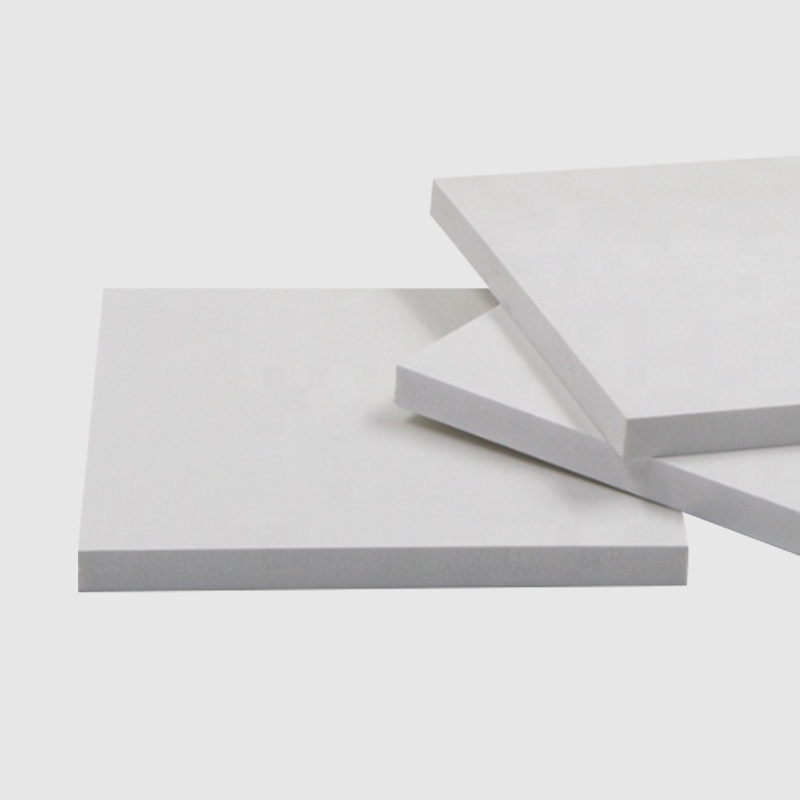

Jiatao Industry Co., Ltd. is a professional manufacturer of polyvinyl chloride plastic boards in China, dedicated to the production of PVC foam boards, plastic wood foamboards, as well as colorful pVC for extruded foam board sheet manufacturers.
-
ADDRESS
No.65 Liminba, Yinong Town, Xiaoshan District, Hangzhou, Zhejiang, China
-
EMAIL
-
PHONE
+86-17816178586
MOBILE SITE



Copyright © Jiatao Industry Co., Ltd. All Rights Reserved.
Custom Rigid PVC Plastic Foam Boards Suppliers

Contact Us