

 English
 Español
 عربى
عربى
Home / News / Industry News / How to Choose PVC Foam Board 4x8 for Signage, Construction and Industrial Applications
How to Choose PVC Foam Board 4x8 for Signage, Construction and Industrial Applications
Article Directory
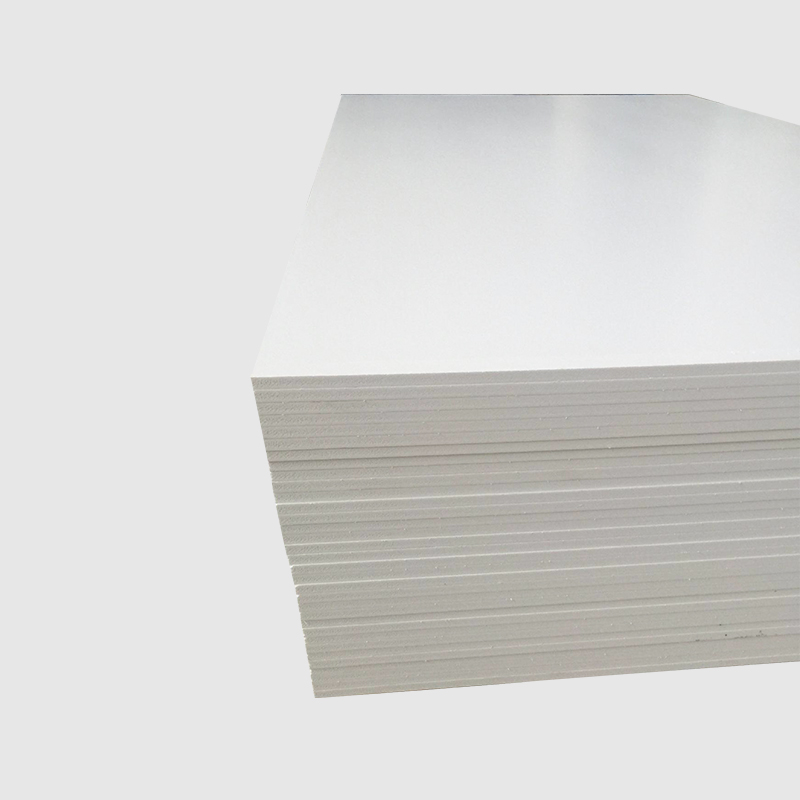
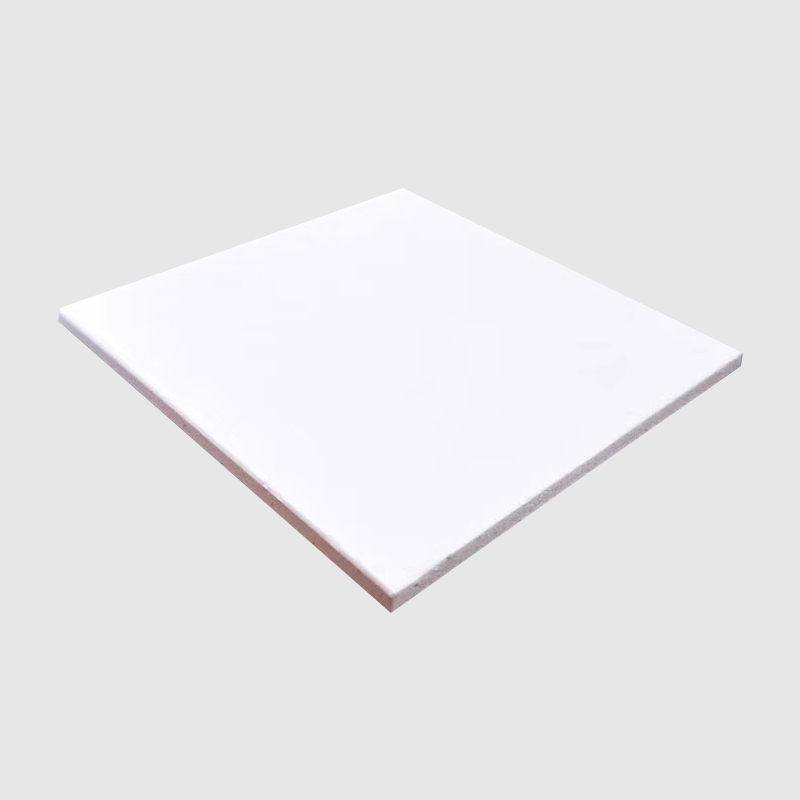
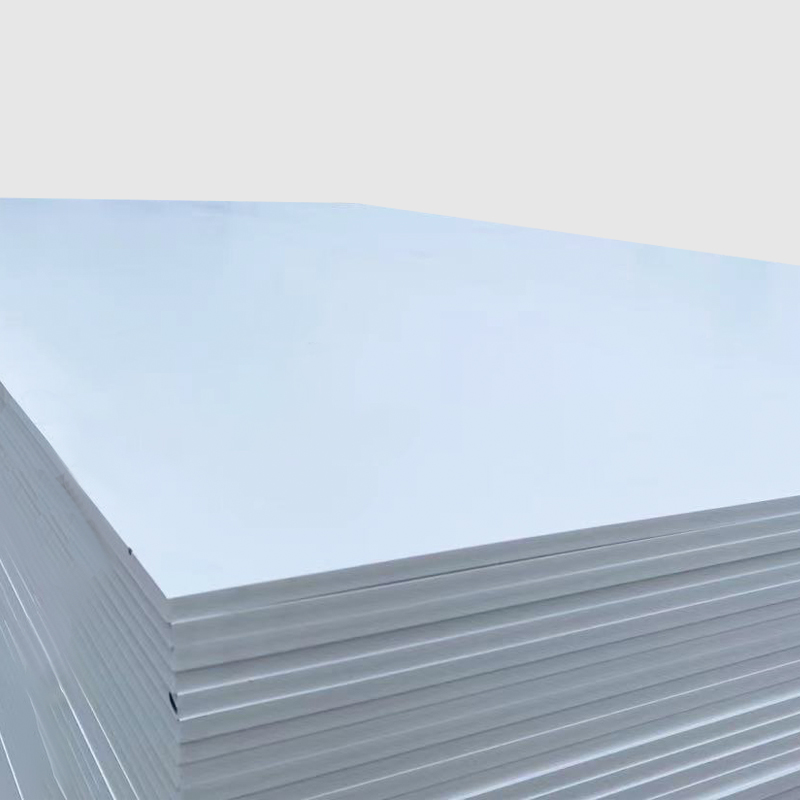
A PVC Foam Board 4x8 is a rigid, closed-cell plastic sheet produced in the standard 48 in by 96 in format used across signage, construction, and industrial fabrication. The material combines a lightweight foam core with a smooth, non-porous surface, making it easy to cut, print on, route, and install without the moisture problems associated with wood-based substrates. Buyers sourcing this material for signs, displays, cabinetry, or interior panels need to understand how board type, density, and surface finish affect performance before placing an order. This guide breaks down the available board types, common applications, the performance properties worth evaluating, and the fabrication methods that determine how well the material performs once it leaves the shop floor.
Types of PVC Foam Board 4x8
PVC foam board is not a single product category. Sheets are manufactured through different processes and finished to different densities, which changes how they behave under load, heat, and moisture. Choosing the correct type is the first decision a buyer needs to make, since it determines rigidity, weight, and price per sheet.
01
Expanded PVC Foam Board
Produced through a free-foaming extrusion process, expanded PVC foam board has a uniform cellular core and a matte, slightly textured surface. It is the most common choice for indoor signage and point-of-sale displays because it balances low weight with adequate stiffness for panels under roughly 10 mm thick.
02
Rigid PVC Foam Board
Rigid PVC foam board is manufactured under higher compression, producing a denser, harder core than standard expanded sheets. This type resists denting and edge chipping better, which makes it suitable for cabinet components, structural panel inserts, and applications where the board is fastened, hinged, or repeatedly handled.
03
High Density PVC Foam Board
High density PVC foam board uses a tighter cell structure to increase load-bearing capacity and screw-holding strength. It is typically specified for construction applications, outdoor signage frames, and furniture components where the panel needs to hold hardware without the core crushing around the fastener.
04
White PVC Foam Board
White PVC foam board is the standard color for most sign and display applications because it provides a neutral, high-contrast base for digital printing, vinyl application, and paint. Custom colors and matte or gloss surface treatments are available, but white remains the default stock option in the 4x8 sheet format.
A 4x8 PVC foam board sheet is typically sold in thicknesses ranging from 3 mm to 25 mm. Thinner sheets, generally 3 mm to 6 mm, are suited to short-term signage and mounted graphics, while boards from 10 mm to 19 mm are more common in cabinetry, wall panels, and structural fabrication. Sheets above 19 mm are used less frequently and are typically reserved for load-bearing or heavy-duty industrial parts.
| Board Type | Typical Density | Best Suited For |
| Expanded PVC Foam Board | 0.35 - 0.55 g/cm3 | Indoor signage, POP displays |
| Rigid PVC Foam Board | 0.5 - 0.65 g/cm3 | Cabinet parts, panel inserts |
| High Density PVC Foam Board | 0.6 - 0.75 g/cm3 | Construction, outdoor frames, furniture |
Applications of PVC Foam Board 4x8
PVC foam board earns its place across several industries because it addresses a common problem: the need for a lightweight, workable sheet material that does not swell, rot, or delaminate like plywood or MDF when exposed to humidity. The applications below reflect the primary demand drivers for this material.
Signage and Advertising
PVC sign board is one of the most established uses of this material. Its flat, non-porous surface accepts screen printing, UV printing, and vinyl overlay cleanly, and its rigidity allows panels to be mounted without warping over time. Advertising PVC sheet applications include mounted photo panels, retail signage, real estate signs, and trade show graphics, where the combination of low weight and dimensional stability reduces both shipping cost and installation labor.
Construction and Building Panels
Construction PVC board is used as a substrate for interior wall cladding, ceiling panels, and bathroom or kitchen backing panels where moisture resistance is a priority. Because the material does not absorb water the way wood-based board does, it holds its shape in humid environments such as commercial kitchens, laundry facilities, and washrooms without the swelling or mold risk associated with traditional substrates.
Cabinet Making and Furniture
In cabinet and furniture manufacturing, PVC foam board for cabinet making is valued for its machinability. It can be routed, drilled, and edge-banded using the same tooling as wood-based panels, but it resists moisture damage in kitchen and bathroom cabinetry. High density variants are generally specified here, since furniture components need to hold screws and hinges securely over repeated use.
Interior Decoration and Wall Panels
PVC foam board for wall panels is used in interior decoration for partition facing, decorative wall cladding, and ceiling tile backing. Its smooth surface can be finished with paint, laminate, or printed film, giving designers a consistent base material across large installation areas without the seams or texture variation common to natural wood panels.
PVC Display Board and Exhibition Use
PVC display board is widely used for exhibition displays, museum mounts, and temporary retail fixtures because sheets can be cut into custom shapes without cracking along the edges. Combined with its light weight, this makes it practical for displays that are assembled, transported, and reassembled repeatedly across different venues.
PVC foam board is defined as a rigid, closed-cell polyvinyl chloride sheet formed through extrusion, characterized by a low-density foam core and a solid outer skin that provides a smooth, paintable, and machinable surface.
Key Performance Properties Buyers Should Evaluate
Selecting the right board for a project comes down to matching performance properties to the operating environment. The four properties below have the greatest impact on how a PVC foam board 4x8 sheet performs once it is installed.
0.35 - 0.75 g/cm3 typical density range
3 - 25 mm common sheet thickness
Near-zero water absorption in closed-cell core
4 x 8 ft standard sheet format
Waterproof and Moisture Performance
A waterproof PVC foam board 4x8 sheet does not absorb moisture into its cell structure the way wood-based panels do, which is why it holds up in bathrooms, kitchens, and other humid environments without swelling or warping. This property also makes cleaning and sanitizing surfaces straightforward, which matters for food service and healthcare installations.
Lightweight Handling and Installation
A lightweight PVC board sheet is easier to transport, cut, and mount than an equivalent panel in plywood or aluminum composite, which reduces labor time on large installations. This is particularly relevant for signage crews and installers who need to move and position full 4x8 sheets on-site without additional lifting equipment.
Fire Retardant Grades
Fire retardant PVC board is available for applications where local building codes require reduced flame spread, such as interior wall cladding in commercial buildings. Buyers with code-driven projects should confirm the specific fire rating and testing standard applicable in their region before specifying a board, since fire performance varies by formulation and is not a default feature of standard sheets.
Weather and UV Resistance
A weather resistant PVC sheet intended for outdoor signage should include UV stabilizers in the formulation to reduce yellowing and surface chalking from prolonged sun exposure. A durable PVC foam board for outdoor signs should also be checked for consistent core density across the sheet, since uneven density can lead to warping when the panel is exposed to temperature swings between day and night.
| Property | Why It Matters | Where to Verify |
| Density | Affects rigidity and screw-holding strength | Product specification sheet |
| Water Absorption | Determines suitability for humid environments | Manufacturer test data |
| UV Stabilization | Prevents yellowing on outdoor panels | Formulation disclosure |
| Fire Rating | Required for certain commercial interiors | Compliance certificate |
Fabrication and Processing Considerations
How a PVC foam board 4x8 sheet is processed has a direct effect on the finished result. The material is workable with standard woodworking and sign-shop tools, but a few adjustments improve output quality and reduce waste.
Cutting
How to cut PVC foam board 4x8 depends on the thickness. Thin sheets under 6 mm can be scored and snapped or cut with a sharp utility blade, while thicker sheets are best cut with a fine-tooth circular saw or table saw blade to avoid melting the edge from friction heat.
CNC Machining
PVC foam board CNC machining allows precise routing for cabinet cutouts, decorative panel patterns, and multi-piece display assemblies. A single-flute upcut router bit run at moderate feed rates produces a clean edge without excessive heat buildup in the foam core.
Printing
PVC foam board digital printing works well with UV-curable inks and direct-to-substrate printers because the smooth outer skin holds ink without bleeding. Screen printing and vinyl application are also common for high-volume sign production runs.
Installation
PVC foam board installation methods typically include mechanical fastening with screws or rivets, adhesive mounting for lightweight panels, and framed mounting systems for larger outdoor signs. Pre-drilling pilot holes on high density boards reduces the risk of cracking around the fastener point.
FAQ
What is PVC foam board 4x8 used for?
It is used for signage, advertising panels, interior wall cladding, cabinet components, furniture parts, and exhibition displays, primarily because of its light weight, moisture resistance, and ease of fabrication.
Is PVC foam board waterproof?
The closed-cell core does not absorb water, which makes standard PVC foam board suitable for humid indoor environments such as bathrooms and kitchens. For continuous outdoor exposure, a UV-stabilized grade is recommended in addition to its inherent water resistance.
Can PVC foam board be painted?
Yes. The smooth surface accepts most paints and coatings designed for plastic substrates. Light surface sanding or a plastic-specific primer improves adhesion before painting.
How do you cut PVC foam board?
Thin sheets can be scored and snapped with a utility knife, while thicker sheets are best cut with a fine-tooth saw blade or CNC router to produce clean, smooth edges without melting the foam core.
Is PVC foam board suitable for outdoor use?
Standard boards can be used outdoors for short-term applications, but long-term outdoor signage should use a UV-stabilized, weather resistant grade to minimize yellowing and surface degradation from sun exposure.
What thickness is available for PVC foam board 4x8?
Common thicknesses range from 3 mm to 25 mm, with 3 mm to 6 mm suited to signage and mounted graphics, and 10 mm to 19 mm more common for cabinetry, wall panels, and structural fabrication.
Final Thoughts
Choosing the right PVC foam board comes down to matching board type, density, and surface treatment to the demands of the application. Signage and display projects generally favor lighter expanded boards for ease of handling, while construction, cabinetry, and outdoor installations call for rigid or high density grades that hold up under mechanical stress and environmental exposure. Reviewing thickness options, moisture performance, and fire or UV requirements before ordering helps buyers avoid mismatched material and rework further down the production line.
Recommended NEWS:
How does PVC co-extruded foam board provide excellent waterproof performance to ensure the service life of furniture?
How to deal with board deformation during the production process of PVC Celuka Board?
Custom Laminated PVC Foam Board: A versatile material with excellent waterproof performance
PVC foam board is ideal for billboards and exhibition boards
How does the density range of pvc foam board celuka forex plastic sheets affect the strength, rigidity and thermal insulation performance of the board?
PVC Free Foam Board's multiple applications and environmental advantages in the field of transportation
Related Products


Jiatao Industry Co., Ltd. is a professional manufacturer of polyvinyl chloride plastic boards in China, dedicated to the production of PVC foam boards, plastic wood foamboards, as well as colorful pVC for extruded foam board sheet manufacturers.
-
ADDRESS
No.65 Liminba, Yinong Town, Xiaoshan District, Hangzhou, Zhejiang, China
-
EMAIL
-
PHONE
+86-17816178586
MOBILE SITE



Copyright © Jiatao Industry Co., Ltd. All Rights Reserved.
Custom Rigid PVC Plastic Foam Boards Suppliers

Contact Us