

 English
 Español
 عربى
عربى
Home / News / Industry News / How to Choose Celtec PVC Foam Board for Signage, Construction and Industrial Fabrication Applications
How to Choose Celtec PVC Foam Board for Signage, Construction and Industrial Fabrication Applications
Article Directory
- 1 What is Celtec PVC foam board and how is it used in different industries?
- 2 Why is Celtec PVC foam board widely used in signage and display applications?
- 3 What are the main applications of Celtec PVC foam board?
- 4 What performance properties should Celtec PVC foam board provide?
- 5 How does Celtec PVC foam board compare with wood and acrylic materials?
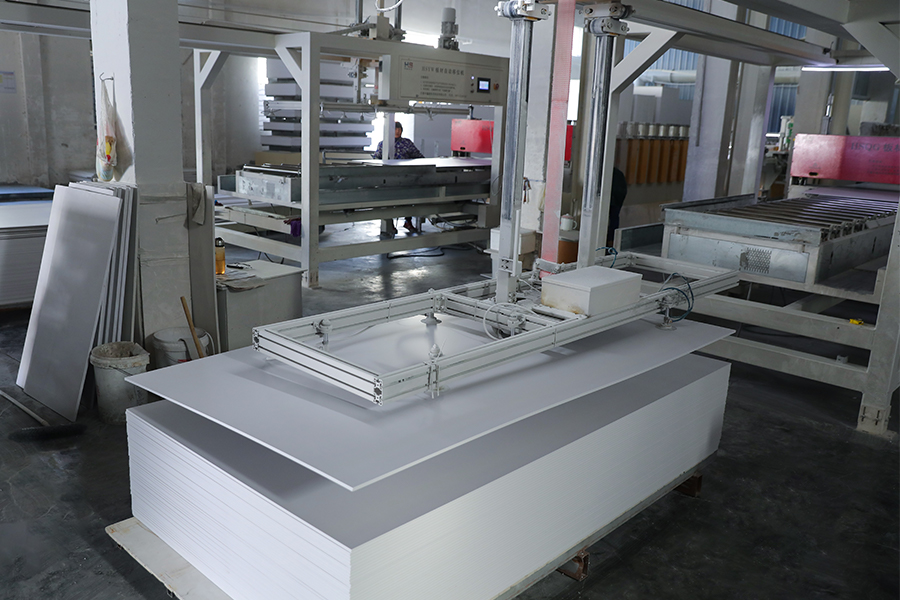
- 6 How is Celtec PVC foam board manufactured?
- 7 What are the limitations of Celtec PVC foam board?
- 8 What is the future trend of PVC foam boards in global markets?
- 9 FAQ
Choosing the right rigid sheet material can make or break a signage, construction, or fabrication project. Celtec PVC foam board has become one of the most specified rigid PVC foam sheet materials across these industries because it combines light weight, dimensional stability, and workability in a single closed cell PVC foam board format. This guide walks through what the material is, where it performs best, how it stacks up against wood and acrylic, and what to watch for before you commit to a large order.
What is Celtec PVC foam board and how is it used in different industries?
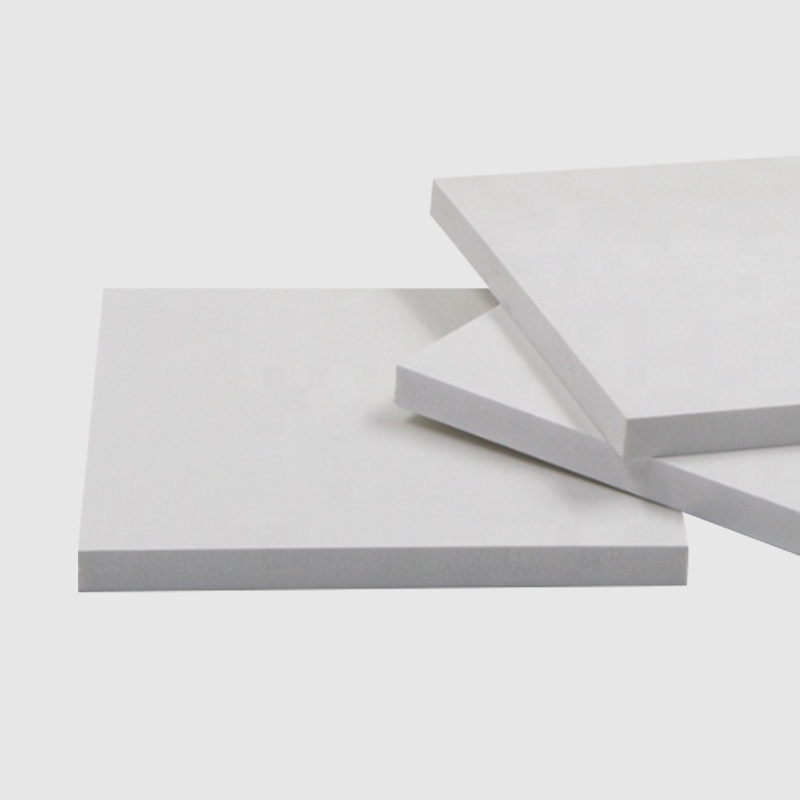
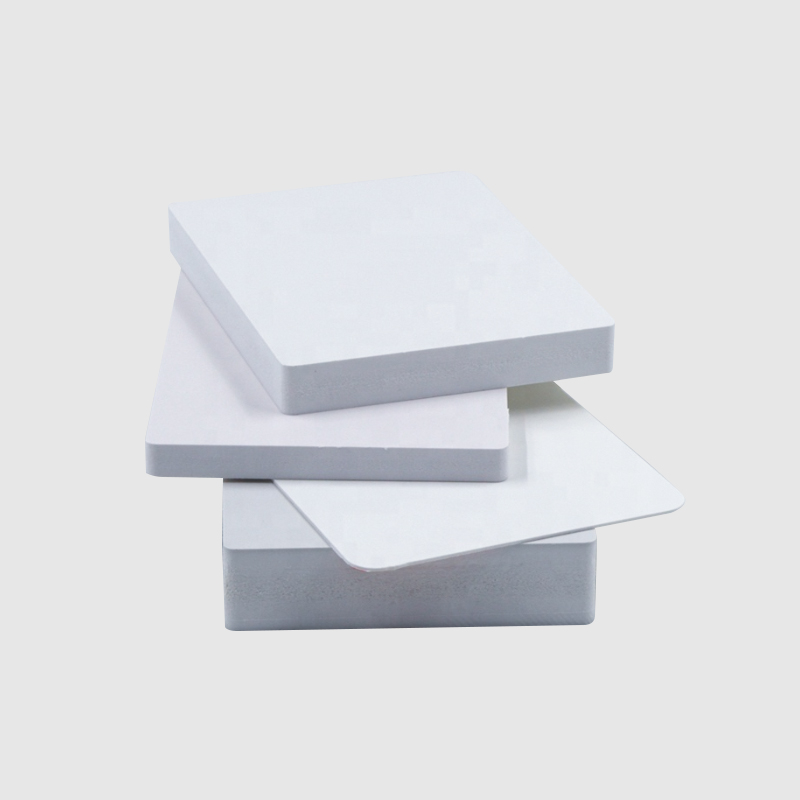
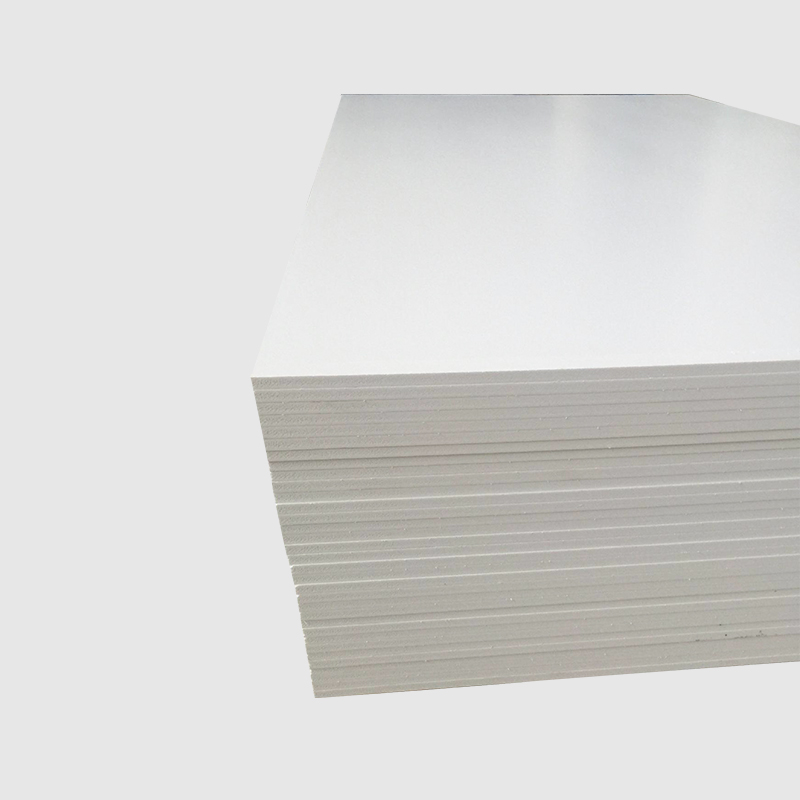
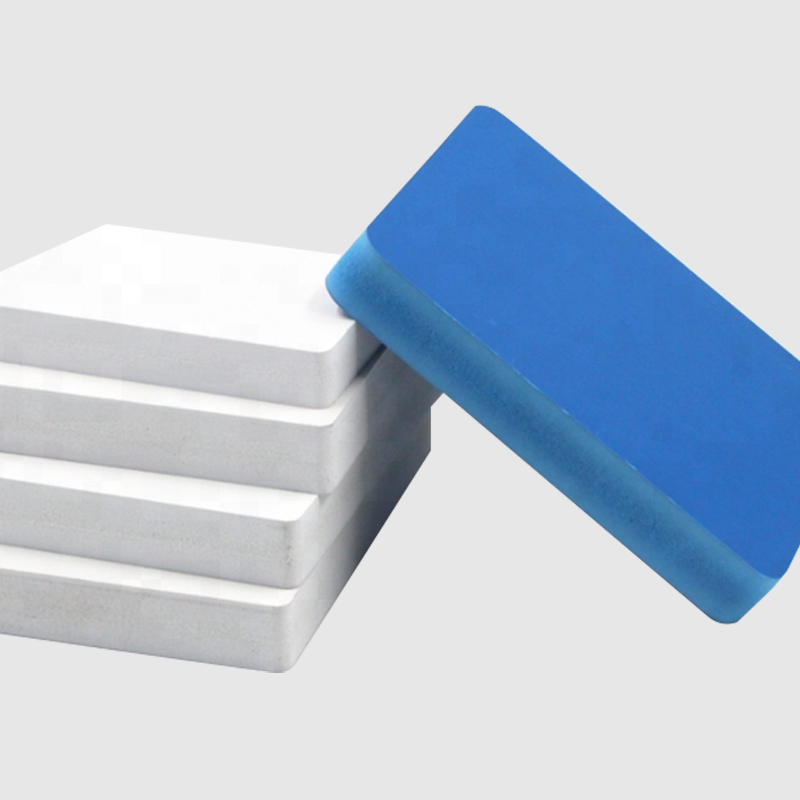
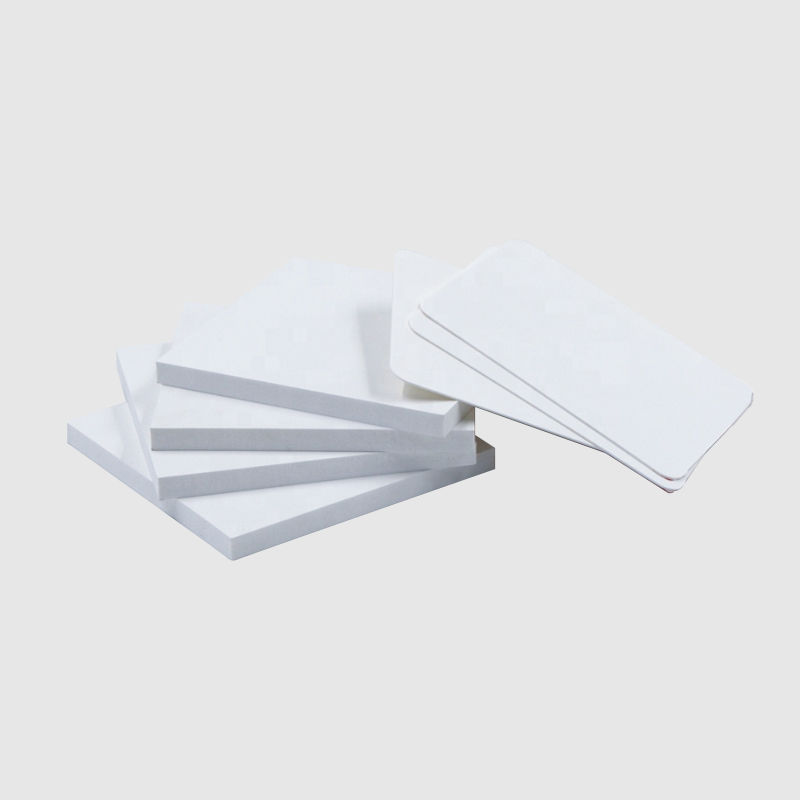
Celtec PVC foam board is a rigid PVC foam sheet material made from expanded polyvinyl chloride with a dense, closed cell PVC foam board structure and smooth outer skins on both faces. The closed cell construction means the board does not absorb water the way an open cell foam or fiberboard product would, which is a large part of why it is trusted in signage, construction, and industrial fabrication settings alike.
As a lightweight PVC sheet panel, the material is roughly one third the weight of an equivalent thickness solid PVC panel, yet it retains enough rigidity to hold its shape under normal handling, mounting, and machining. This weight-to-stiffness ratio is the core reason expanded PVC board applications now span such a wide range of end uses.
- Signage and visual communication: cut, printed, and mounted graphics
- Building and construction: cladding, partition cores, and moisture-prone areas
- Industrial fabrication: jigs, machine guarding panels, and enclosure backing
In practice, the question of what is Celtec PVC foam board used for comes down to any application that needs a flat, stable, easily worked panel that will not swell, rot, or corrode over time.
Why is Celtec PVC foam board widely used in signage and display applications?
Signage fabricators favor this material because it functions as a true PVC sign board material: it accepts direct digital printing, vinyl lamination, and screen printing without the substrate warping or absorbing ink unevenly. As a print friendly foam board, its smooth, closed surface gives consistent color reproduction across large runs, which matters for retail chains and exhibition programs that need matching graphics across many locations.
The same properties that make Celtec PVC foam board useful in construction also explain its popularity as an advertising display panel PVC option: it is light enough for one person to lift and mount a large sheet, yet rigid enough to stay flat on a wall or frame without additional bracing. As a lightweight signage substrate, it also reduces shipping weight and mounting hardware requirements compared with denser alternatives.
| Signage need | Why the material fits |
| Digital printing PVC sheet output | Smooth skin gives even ink lay-down |
| Indoor point-of-sale displays | Low weight simplifies mounting |
| Outdoor directional signs | Closed cell core resists moisture ingress |
| Exhibition graphics | Easy to cut into custom shapes |
What are the main applications of Celtec PVC foam board?
Beyond signage, the board is specified wherever a flat, moisture-stable panel is needed but solid wood or metal would add unnecessary weight or cost.
01
Exhibition display panels
Booth walls, plinths, and modular display systems benefit from panels that assemble and disassemble repeatedly without damage.
02
Interior decoration panels
Used in wall paneling, ceiling elements, and decorative screens where a smooth, paintable surface is required.
03
Construction wall cladding
Applied in bathrooms, kitchens, and clean rooms where moisture resistance outperforms standard fiberboard.
04
Furniture backing board
Serves as a stable, lightweight core or backing layer in cabinetry and furniture components.
05
Retail display fabrication sheet
Cut, routed, and folded into shelving units, kiosks, and point-of-sale fixtures.
This range of uses is why searches for the use of Celtec board in interior decoration and industrial applications of PVC foam sheet increasingly overlap: the same sheet stock serves both a retail fit-out and a factory floor project.
What performance properties should Celtec PVC foam board provide?
Before specifying any rigid foam sheet, it is worth checking that the material actually delivers on the properties the application depends on. A genuine waterproof PVC board should show no measurable water absorption through the closed cell core, since the cells are sealed rather than open and interconnected.
0%Water absorption in closed cell core
LowDensity relative to solid PVC
RigidPanel behavior under normal load
SmoothSkin finish for printing and painting
Depending on the grade selected, boards can also be produced as a flame retardant foam board for interior applications with fire safety requirements, and as a UV resistant PVC sheet for outdoor signage that will see sustained sunlight exposure. An impact resistant foam board grade is also common where panels will be handled frequently, such as trade show and rental display equipment. Because formulations vary between suppliers, it is always worth confirming the specific fire rating, UV stabilization package, and impact performance of the exact grade you are sourcing rather than assuming a single universal specification applies.
How does Celtec PVC foam board compare with wood and acrylic materials?
A fair PVC vs wood panel comparison starts with moisture behavior: wood-based boards can swell, delaminate, or warp when exposed to humidity, while a closed cell PVC panel holds its dimensions in damp environments. An acrylic sheet vs PVC foam board comparison instead centers on weight and impact behavior, since acrylic is denser and more prone to cracking on impact than a foamed PVC core.
PVC foam board
- Moisture and rot resistant
- Lightweight, easy to lift and mount
- Machines cleanly with standard tools
- Consistent surface for printing
Wood or MDF panel
- Vulnerable to moisture and swelling
- Heavier per equivalent thickness
- Requires sealing for outdoor use
- Surface can vary between batches
For a construction material comparison overall, the practical answer to whether PVC foam board vs MDF is better depends on the environment: MDF can be more economical for dry, indoor, load-bearing furniture components, while PVC foam board is the stronger choice wherever moisture, weight, or long-term dimensional stability matters more than raw stiffness. In terms of plastic board vs wood board durability, PVC generally holds up better in humid or outdoor conditions, while wood can still outperform on pure structural load-bearing tasks.
How is Celtec PVC foam board manufactured?
Production begins with a PVC resin processing method that blends PVC resin with foaming agents and stabilizers before the mixture enters a polymer sheet extrusion line.
Resin compounding
PVC resin, foaming agents, and additives are blended into a uniform compound ready for extrusion.
Extrusion and foaming
The compound passes through a PVC extrusion foam process where controlled pressure and heat trigger closed cell foaming technology, forming the internal cell structure.
Skin formation
Dense outer skins form on both faces during cooling, giving the board its smooth, printable surface.
Sizing and finishing
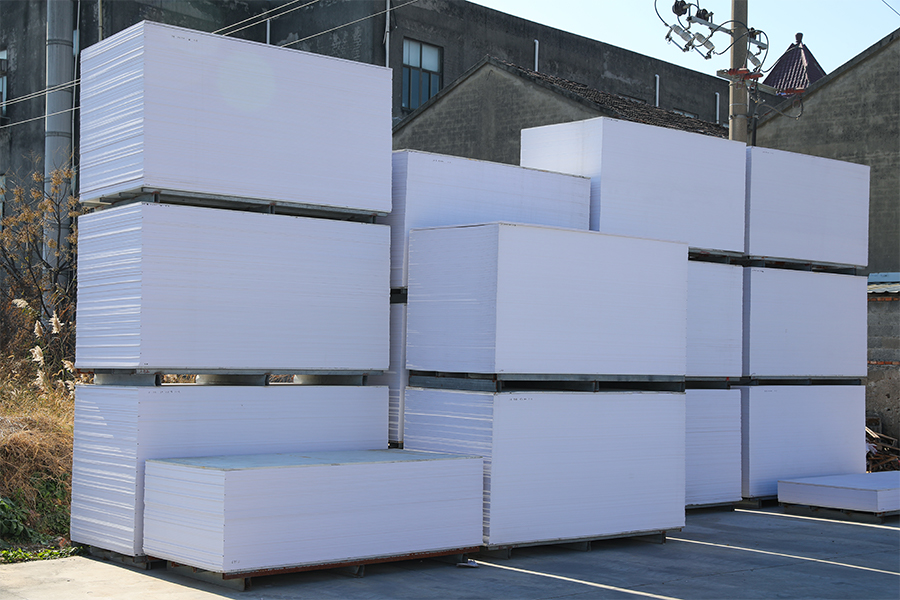
Sheets are cut to standard dimensions and thicknesses as part of the rigid foam board production run, then inspected for flatness and surface quality.
This manufacturing process of Celtec foam sheet is what allows the finished panel to combine a light core with a durable, workable surface in a single extrusion process of rigid PVC panels.
What are the limitations of Celtec PVC foam board?
No rigid sheet material is universally ideal, and understanding the disadvantages of PVC foam board material helps avoid mismatched applications. Like most PVC products, the board is subject to thermal expansion PVC sheet behavior, meaning panels can expand and contract slightly with temperature swings, so fabricators typically leave expansion allowances in large outdoor installations.
PVC foam board does bend under sustained heat or heavy point loading, and very thin panels can flex across wide unsupported spans, so panel thickness and support spacing should always match the expected load.
The surface also carries a surface scratch sensitivity foam board characteristic, since the soft outer skin can mark more easily than metal or hardwood. There is a load bearing limitation PVC panel consideration as well: the board is not intended to replace structural framing members. A chemical resistance limitation PVC applies to certain solvents and aggressive cleaning agents, which can soften or discolor the surface over time, and outdoor aging PVC foam sheet exposure without adequate UV stabilization can lead to gradual surface chalking in unprotected grades.
What is the future trend of PVC foam boards in global markets?
Material selection in signage and construction is increasingly shaped by demand for sustainable plastic sheet materials, and PVC foam board manufacturers are responding with higher recycled content formulations and improved end-of-life recovery programs. Interest in recyclable PVC alternatives is also pushing suppliers to document material composition more transparently for specifiers who need to meet green building certification requirements.
At the same time, the broader lightweight construction materials trend continues to favor panels that reduce transport weight and installation labor, which keeps PVC foam board competitive against heavier substrates. Digital printing substrate growth in retail and exhibition markets is another factor supporting demand, since large-format printers increasingly specify foam board grades optimized for direct UV and latex ink printing. Overall green building material innovation is likely to keep shaping how these boards are formulated, tested, and marketed over the coming years.
 |
 |
FAQ
What is Celtec PVC foam board?
It is a rigid, closed cell PVC foam sheet with smooth outer skins, used across signage, construction, and industrial fabrication for its light weight and moisture resistance.
Is PVC foam board waterproof?
The closed cell core does not absorb water, making it suitable for humid environments, though joints and cut edges should still be sealed in fully submerged or constantly wet conditions.
Can PVC foam board be used outdoors?
Yes, particularly UV-stabilized grades, though panels should be checked for the specific outdoor rating and given expansion allowance for temperature changes.
What is PVC foam sheet used for?
Common uses include signage, display fabrication, interior wall cladding, furniture backing, and industrial jigs or panel components.
Is PVC foam board fire resistant?
Standard grades are not inherently fire rated, but flame retardant formulations are available for interior applications with fire safety requirements.
How long does PVC foam board last?
Service life varies by grade and environment, but properly specified boards typically remain dimensionally stable and visually intact for many years in both indoor and rated outdoor use.
Recommended NEWS:
How to deal with board deformation during the production process of PVC Celuka Board?
How to choose the right Laminated PVC foam board according to the surface treatment and lamination type
Laminated PVC Foam Board has the advantages of being moisture-proof and water-resistant compared to other materials
PVC Free Foam Board's multiple applications and environmental advantages in the field of transportation
Custom Laminated PVC Foam Board: A versatile material with excellent waterproof performance
How does PVC co-extruded foam board provide excellent waterproof performance to ensure the service life of furniture?
Related Products


Jiatao Industry Co., Ltd. is a professional manufacturer of polyvinyl chloride plastic boards in China, dedicated to the production of PVC foam boards, plastic wood foamboards, as well as colorful pVC for extruded foam board sheet manufacturers.
-
ADDRESS
No.65 Liminba, Yinong Town, Xiaoshan District, Hangzhou, Zhejiang, China
-
EMAIL
-
PHONE
+86-17816178586
MOBILE SITE



Copyright © Jiatao Industry Co., Ltd. All Rights Reserved.
Custom Rigid PVC Plastic Foam Boards Suppliers

Contact Us