

 English
 Español
 عربى
عربى
Home / News / Industry News / How to Choose the Right Waterproof PVC Foam Board for Different Applications
How to Choose the Right Waterproof PVC Foam Board for Different Applications
Article Directory
- 1 What Is Waterproof PVC Foam Board and Why Does Selection Matter?
- 2 Core Factors to Consider When Choosing PVC Foam Board
- 3 Choosing PVC Foam Board for Construction Applications
- 4 Choosing PVC Foam Board for Advertising and Signage
- 5 Choosing PVC Foam Board for Interior Decoration and Furniture
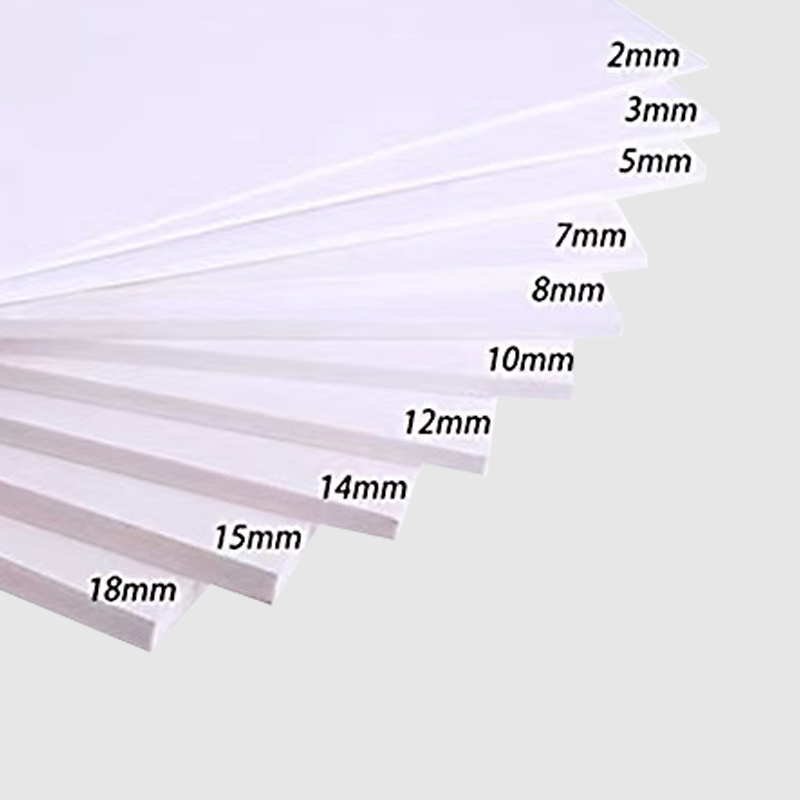
- 6 How Thickness and Density Affect Board Performance
- 7 Surface Treatments That Improve PVC Foam Board Performance
- 8 Why Waterproof Performance Matters
- 9 PVC Foam Board Compared with Traditional Panel Materials
- 10 How Buyers Can Evaluate PVC Foam Board Quality
- 11 Future Trends in Waterproof PVC Foam Board Development
- 12 Frequently Asked Questions
- 12.1 What is waterproof PVC foam board used for?
- 12.2 How do I choose the right thickness of PVC foam board?
- 12.3 Is PVC foam board suitable for outdoor applications?
- 12.4 Can PVC foam board be customized?
- 12.5 What is the difference between PVC foam board and regular plastic sheets?
- 12.6 How durable is waterproof PVC foam board?
Specifying the wrong panel for a wet-area wall, an outdoor sign, or a furniture component is one of the most common and most expensive mistakes B2B buyers make in panel sourcing. Waterproof PVC foam board solves that problem across a wide range of uses, but only when thickness, density, and surface finish are matched to the actual application rather than picked off a generic spec sheet.
What Is Waterproof PVC Foam Board and Why Does Selection Matter?
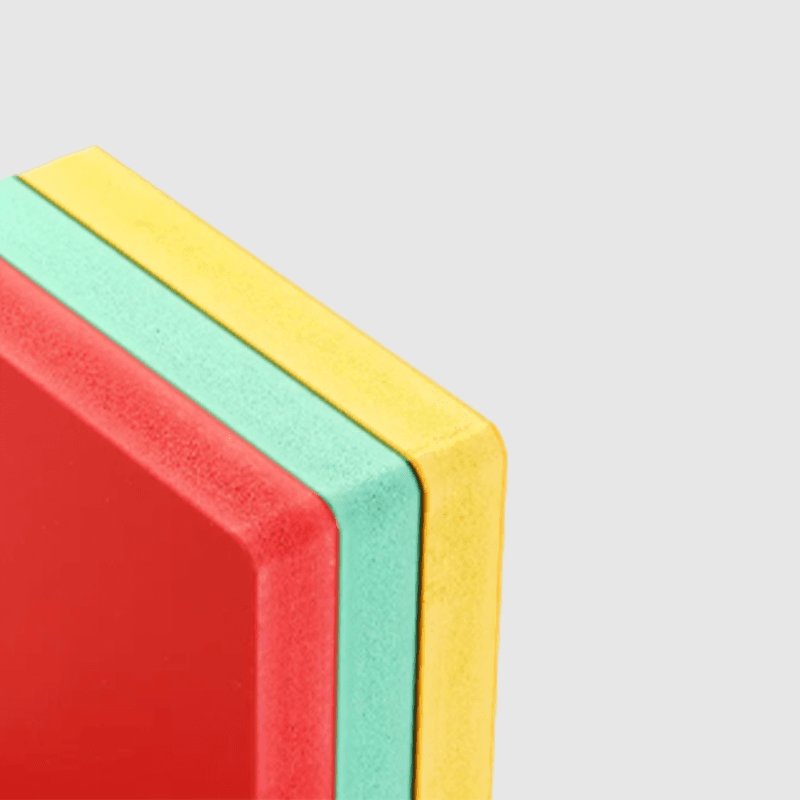
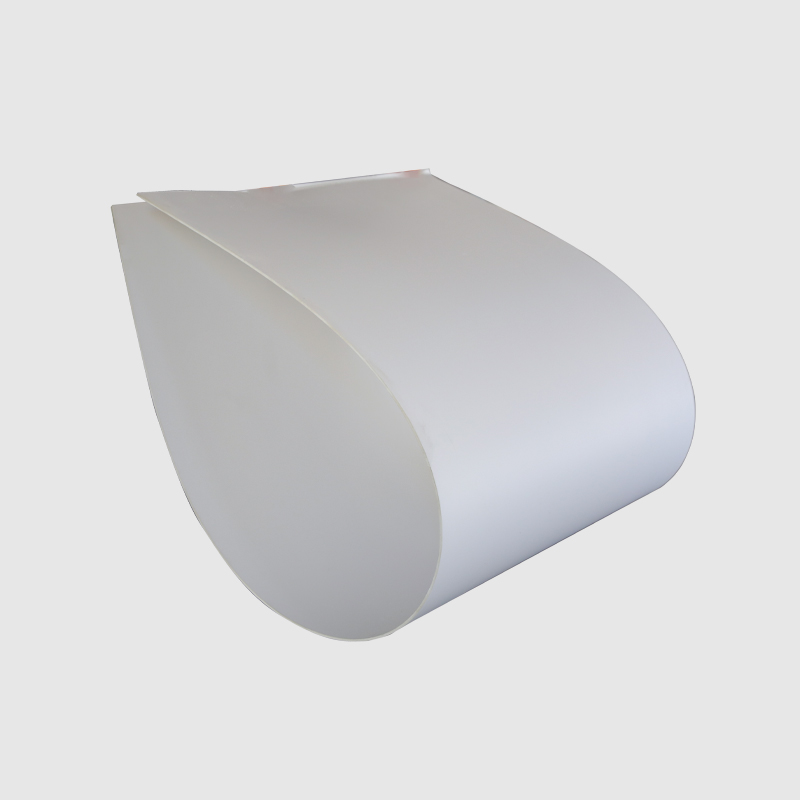
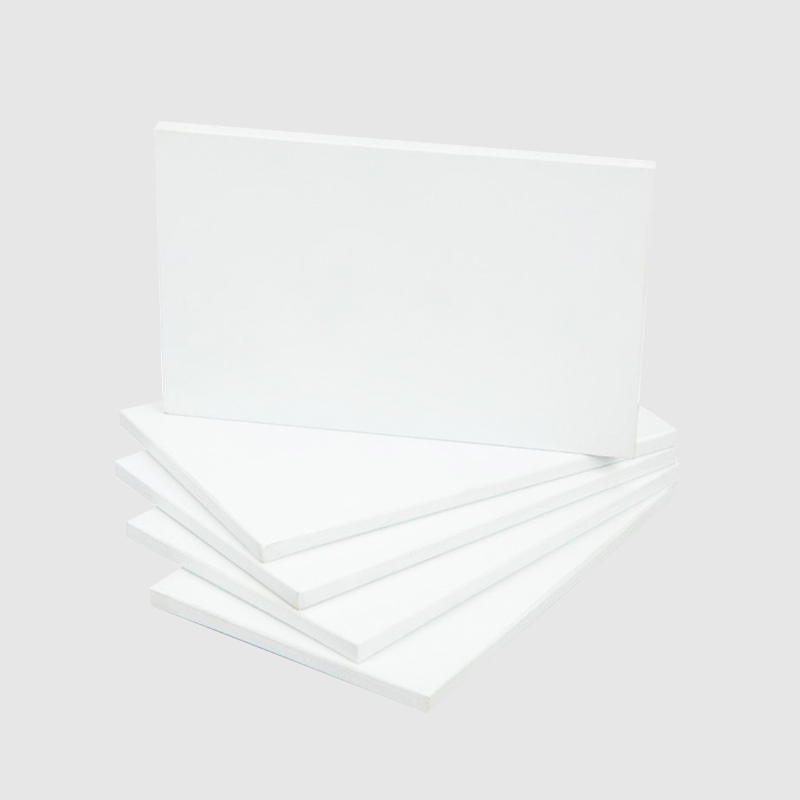
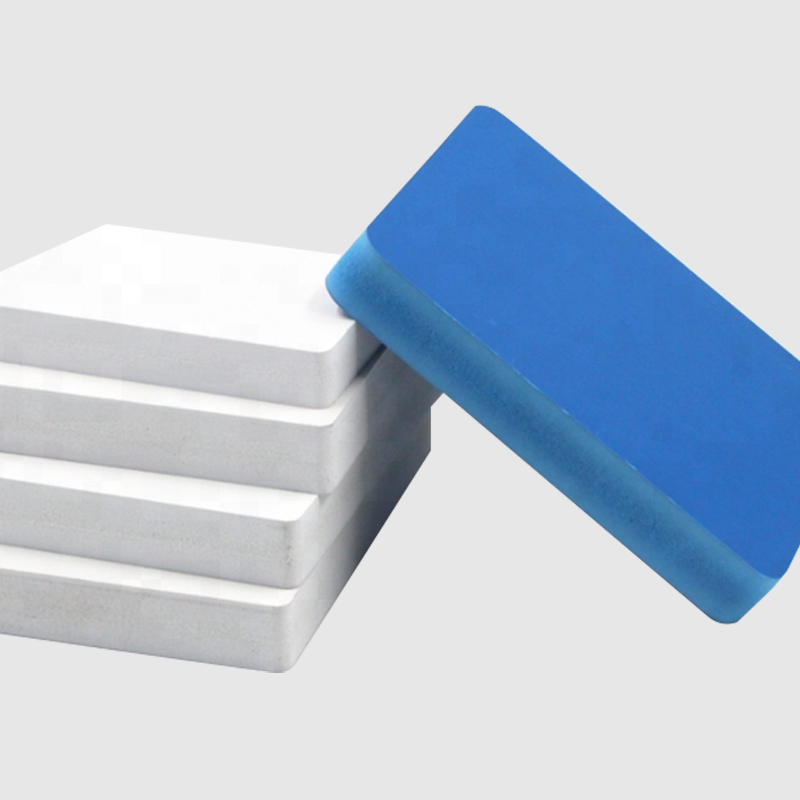
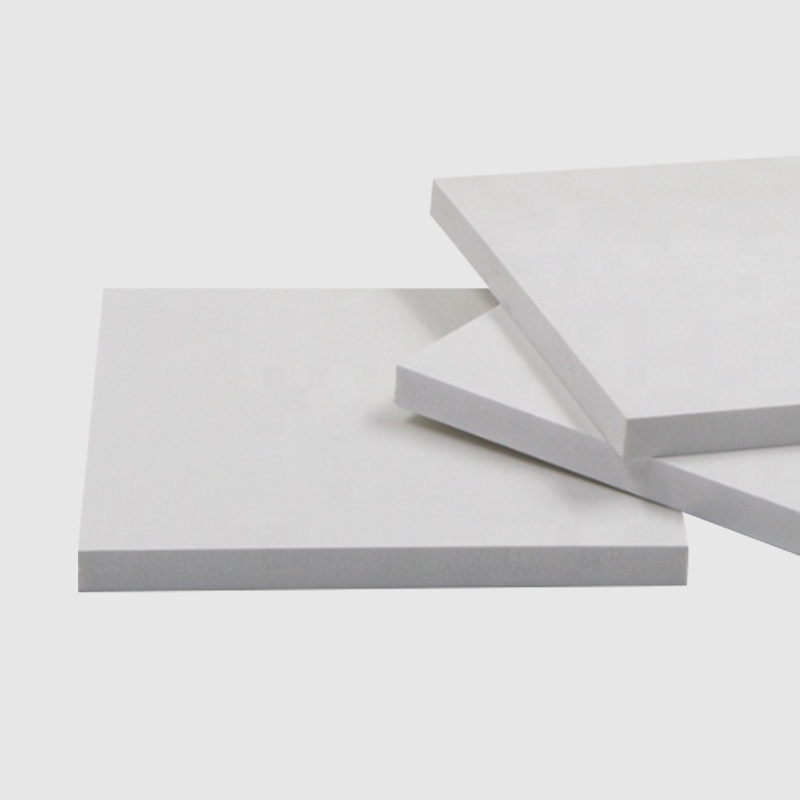
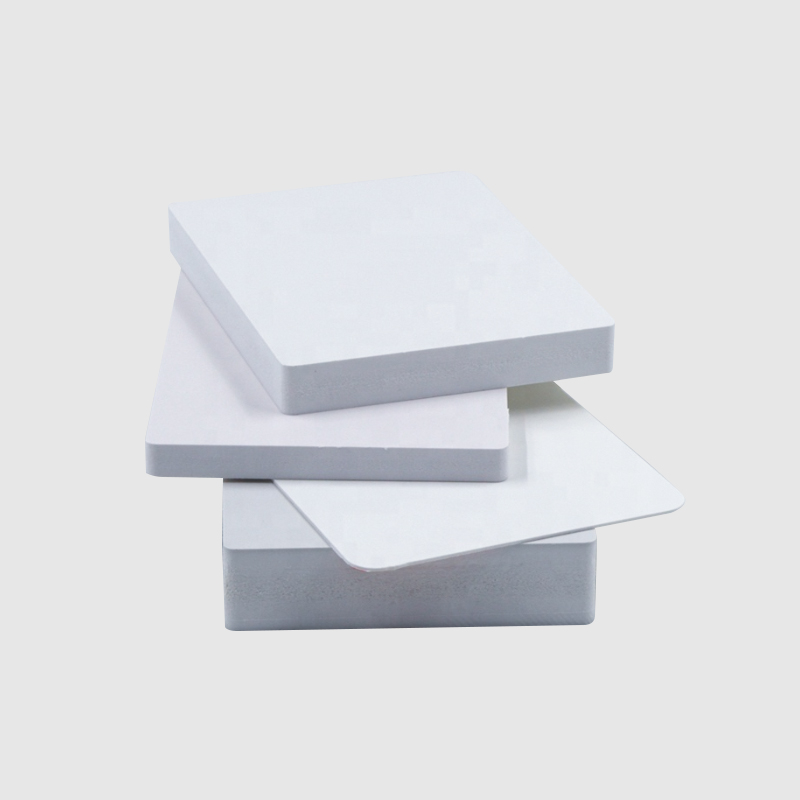
Waterproof PVC foam board is a rigid sheet material built from a closed-cell foam core sandwiched between dense outer skins, giving it a strength-to-weight profile that outperforms solid plastic sheet while remaining fully resistant to water absorption.
The closed-cell structure is the key detail: unlike open-cell foams, water cannot wick into the panel core, which means the board will not swell, delaminate, or lose rigidity when exposed to humidity or direct moisture. That single property is why the material shows up in bathroom wall panels, outdoor signage, and furniture components in equal measure.
What changes between those uses is not the base chemistry but the specification. A construction wall panel and an advertising sign board are both PVC foam board, but they need different thickness, density, and surface treatment to perform correctly in their respective environments.
Core Factors to Consider When Choosing PVC Foam Board
Three specifications determine how a panel will perform once installed, and each pulls in a different direction depending on the application.
ThicknessDetermines structural strength, the installation method that will work, and how well the panel resists impact or flexing under load
DensityControls rigidity, long-term durability, and how cleanly the board machines, cuts, or routes during fabrication
Surface QualityAffects final appearance, how well the board accepts printing or lamination, and the quality of any finishing process applied afterward
Choosing PVC Foam Board for Construction Applications
Wall Panels
Interior wall applications call for dimensional stability above all else, since panels that expand or contract with temperature will show seams over time. Moisture resistance and a smooth, paint- or laminate-ready surface matter almost as much.
Ceiling Applications
Ceilings favor lower weight over raw strength, since the panel only needs to support its own mass and occasional access loads, and lighter boards are considerably easier to install overhead.
Wet Environment Areas
Bathrooms, kitchens, and similar wet zones need the highest waterproof rating available in the product line, along with long-term durability under repeated humidity cycling rather than a single splash-resistance spec.
Choosing PVC Foam Board for Advertising and Signage
Signage and display applications prioritize a completely different set of properties. A smooth, consistently flat surface is essential for clean print output, while easy cutting and lightweight handling matter more than raw structural strength since most signage panels are not load-bearing. This combination makes waterproof PVC foam board a standard substrate for advertising boards, exhibition displays, and promotional signage where print quality and easy fabrication drive the buying decision.
Choosing PVC Foam Board for Interior Decoration and Furniture
Cabinets, decorative wall panels, partitions, and furniture components need a strong surface finish and a wide color range, since the panel is often the visible final surface rather than a hidden substrate. Processing flexibility matters too, since furniture fabrication often involves edge banding, routing, and drilling that a lower-quality board will chip or crack under. Moisture resistance remains valuable even indoors, particularly for kitchen and bathroom cabinetry.
How Thickness and Density Affect Board Performance
These two specifications drive performance in different directions, and buyers frequently confuse them.
A thick, low-density board will feel strong but may machine poorly and chip at cut edges, while a thin, high-density board will cut cleanly but lack the impact resistance needed for structural panel work. The right balance depends entirely on whether the panel needs to survive impact, precision fabrication, or both.
Surface Treatments That Improve PVC Foam Board Performance
The base board is only the starting point. Several finishing processes extend what the material can do:
- Printing directly onto the panel surface for signage and display graphics
- Laminating with decorative films to match furniture or interior color schemes
- Coating for added chemical or UV resistance in outdoor applications
- Embossing and surface texturing to mimic wood grain or fabric finishes
Each of these treatments is chosen based on the end application, and a good supplier will be able to recommend the right finish once the intended use is defined.
Waterproof performance is not a bonus feature on a PVC foam board, it is the reason the material replaces wood and particleboard in wet and outdoor environments where those materials fail within a few seasons.
Why Waterproof Performance Matters
Panels that absorb moisture swell, warp, and eventually delaminate, which is the single most common failure mode in bathroom, kitchen, and outdoor installations built from traditional board materials. A genuinely waterproof PVC panel prevents that swelling entirely, maintains dimensional stability across humidity cycles, reduces long-term maintenance cost, and extends the usable service life of the installation. This is why the material has become standard for bathrooms, kitchens, outdoor signage, and industrial environments where moisture exposure is constant rather than occasional.
PVC Foam Board Compared with Traditional Panel Materials
| Property | PVC Foam Board | Wood Panels | Metal Panels |
| Water resistance | Fully waterproof | Moisture sensitive | Corrosion risk |
| Weight | Lightweight | Moderate | Heavy |
| Processing | Easy to cut and machine | Easy but prone to splitting | Requires specialized tools |
| Appearance | Consistent, finish-ready | Natural but variable | Industrial, cold finish |
How Buyers Can Evaluate PVC Foam Board Quality
Before committing to a supplier, buyers should verify material consistency across production batches, accurate thickness tolerance against the ordered spec, surface smoothness free of pitting or texture defects, stable color matching between production runs, documented waterproof performance testing, and consistent processing behavior during cutting, routing, and edge finishing.
Future Trends in Waterproof PVC Foam Board Development
Manufacturers are actively refining formulations for better impact resistance at lower weight, shifting toward more environmentally responsible production methods, expanding custom specification options for buyers with non-standard requirements, and pushing the material into new industrial applications beyond its traditional construction and signage base.
Frequently Asked Questions
What is waterproof PVC foam board used for?
It is used for construction wall and ceiling panels, wet-area building applications, advertising signage, exhibition displays, furniture components, and decorative interior surfaces.
How do I choose the right thickness of PVC foam board?
Match thickness to structural demand: thinner boards suit signage and lightweight decoration, while thicker boards suit load-bearing or high-impact applications.
Is PVC foam board suitable for outdoor applications?
Yes, its closed-cell structure resists water absorption and, with the right surface coating, holds up well under outdoor UV and weather exposure.
Can PVC foam board be customized?
Yes, thickness, density, color, and surface finish can all be specified to match construction, signage, or furniture requirements.
What is the difference between PVC foam board and regular plastic sheets?
PVC foam board's closed-cell core makes it significantly lighter and easier to machine than solid plastic sheet, while remaining fully waterproof.
How durable is waterproof PVC foam board?
With proper density and thickness selection, panels commonly perform for many years in wet or outdoor environments without swelling or delaminating.
Recommended NEWS:
How to deal with board deformation during the production process of PVC Celuka Board?
How does PVC co-extruded foam board provide excellent waterproof performance to ensure the service life of furniture?
What factors affect the appearance of High Density Waterproof PVC Composite Boards Wall Panel?
PVC Free Foam Board's multiple applications and environmental advantages in the field of transportation
Custom Laminated PVC Foam Board: A versatile material with excellent waterproof performance
How to ensure the installation quality of PVC Ceiling Panel
Related Products


Jiatao Industry Co., Ltd. is a professional manufacturer of polyvinyl chloride plastic boards in China, dedicated to the production of PVC foam boards, plastic wood foamboards, as well as colorful pVC for extruded foam board sheet manufacturers.
-
ADDRESS
No.65 Liminba, Yinong Town, Xiaoshan District, Hangzhou, Zhejiang, China
-
EMAIL
-
PHONE
+86-17816178586
MOBILE SITE



Copyright © Jiatao Industry Co., Ltd. All Rights Reserved.
Custom Rigid PVC Plastic Foam Boards Suppliers

Contact Us