

 English
 Español
 عربى
عربى
Cat:PVC Foam Board
Features: a very simple core material with good mechanical properties, easy to carve to make 3D exhibits, compatible with all standard resin systems. ...
See DetailsArticle Directory
Furniture makers, sign fabricators, and interior contractors increasingly specify PVC Celuka foam board over plywood, MDF, or acrylic sheet wherever a panel needs to be lightweight, water resistant, and easy to cut, print, and fasten without special sealing or edge treatment. The board gets its distinct combination of a hard, dense outer skin and a lighter cellular core from the Celuka extrusion process, which is what separates it from ordinary free-foam PVC sheet in both strength and finish quality.
PVC Celuka foam board is a rigid, closed-cell foamed PVC sheet produced through the Celuka extrusion process, which forms a dense, solid outer skin around a lighter cellular core in a single extrusion step. The process controls foaming so that the material expands only at the core while the surface stays compressed and smooth, giving the finished board a rigid, hard-wearing skin without the added weight of a fully solid PVC sheet.
The closed-cell core is what gives Celuka board its strength-to-weight advantage: individual gas cells are fully sealed within the PVC matrix rather than interconnected, so the board does not absorb water into its core the way an open-cell foam would. The result is a sheet that machines, screws, and glues like a dense engineering plastic on the surface, while weighing meaningfully less than a solid PVC sheet of the same thickness.
Free foam PVC board is extruded without the same skin-forming die control, producing a more uniform cell structure throughout the sheet but a softer, less defined surface. Celuka board's controlled skin gives it higher surface hardness, cleaner CNC-routed edges, and better screw-holding strength, which is why it is generally specified over free foam board wherever the panel needs to carry fasteners or take a sharp machined edge.
Four properties drive most material selection decisions for PVC Celuka foam board, and each can be compared directly against the density grade of the board being specified.
The board's closed-cell water resistance means it can be used in bathroom cabinetry and washroom partitions without the sealing steps plywood or MDF would require, while its surface hardness and consistent density make it a stable substrate for CNC routing, screw fastening, and direct digital printing.
Cabinet carcasses and bathroom furniture use the board's water resistance and screw-holding strength in place of moisture-sensitive wood panels.
Wall panels and decorative interior surfaces take advantage of the board's smooth, printable skin and light weight during installation.
The flat, dense surface accepts digital printing directly, making it a standard substrate for indoor and outdoor sign boards.
Partition panels and building trim use the board where moisture resistance matters more than structural load-bearing.
Lightweight panels are easy to transport and reconfigure across temporary display and retail fixture builds.
Machined components and enclosures use higher-density board grades where a rigid, chemical-resistant plastic panel is required.
| Type | Typical Use |
| Standard white board | General fabrication, cabinetry, and interior panels |
| Colored board | Signage and display applications where finished color matters |
| High-density board | Structural or load-bearing panel applications |
| Custom board | Projects specifying non-standard thickness, density, or surface treatment |
PVC resin is compounded with foaming agents and additives to the target density formulation.
The compound is extruded through a Celuka die that forms a dense outer skin around a foamed core in one pass.
The board is cooled and calibrated to a precise thickness and flat surface finish before cutting.
Sheets are cut to standard dimensions, inspected for density and surface consistency, then packaged for shipment.
Higher-density grades suit structural or load-bearing panel uses.
Panel thickness should match the span and load conditions of the intended application.
Glossy, matte, or print-ready surfaces are selected based on the finished appearance needed.
UV-stabilized grades are specified for boards used in outdoor sign or panel applications.
Board density and skin hardness should suit the CNC routing, cutting, or fastening methods planned for the project.
Celuka board is lighter and more water resistant; WPC offers a more wood-like surface texture and machining feel.
Celuka board resists moisture and swelling that MDF is prone to, without needing sealed edges or moisture-rated coatings.
Celuka board is lighter and less brittle than acrylic, while acrylic offers higher optical clarity where transparency is required.
Celuka board eliminates the delamination and moisture absorption risk that plywood carries in wet or humid environments.
Thickness, density, color, and surface treatment can all be specified independently on PVC Celuka foam board production, allowing a single supplier relationship to cover furniture-grade panels, sign-grade printable sheet, and higher-density structural board from one material platform. Custom dimensions and density profiles are commonly requested for projects with non-standard panel sizes or load requirements.
Lightweight building material demand continues to push PVC Celuka foam board into construction segments previously reserved for heavier engineered wood panels, particularly where moisture exposure is a factor. Furniture manufacturing is expanding its use of the material beyond bathroom and kitchen cabinetry into broader case-good production, and formulation development is moving toward more eco-friendly PVC compounds alongside finer control over density and surface hardness for increasingly customized industrial panel projects.
Choosing the right PVC Celuka foam board comes down to matching density, thickness, and surface finish to the demands of the specific furniture, signage, or construction application, rather than defaulting to a single standard grade across every project. With standard, colored, high-density, and custom options available, Celuka board gives fabricators a lightweight, water-resistant panel material that machines, prints, and fastens with the consistency wood-based and rigid plastic alternatives often cannot match.
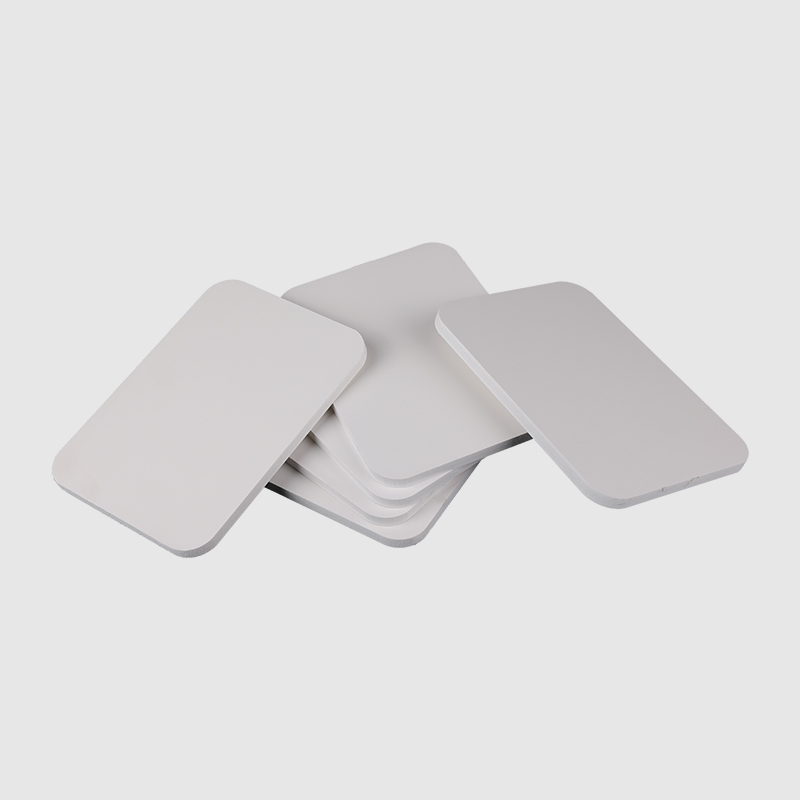
Features: a very simple core material with good mechanical properties, easy to carve to make 3D exhibits, compatible with all standard resin systems. ...
See Details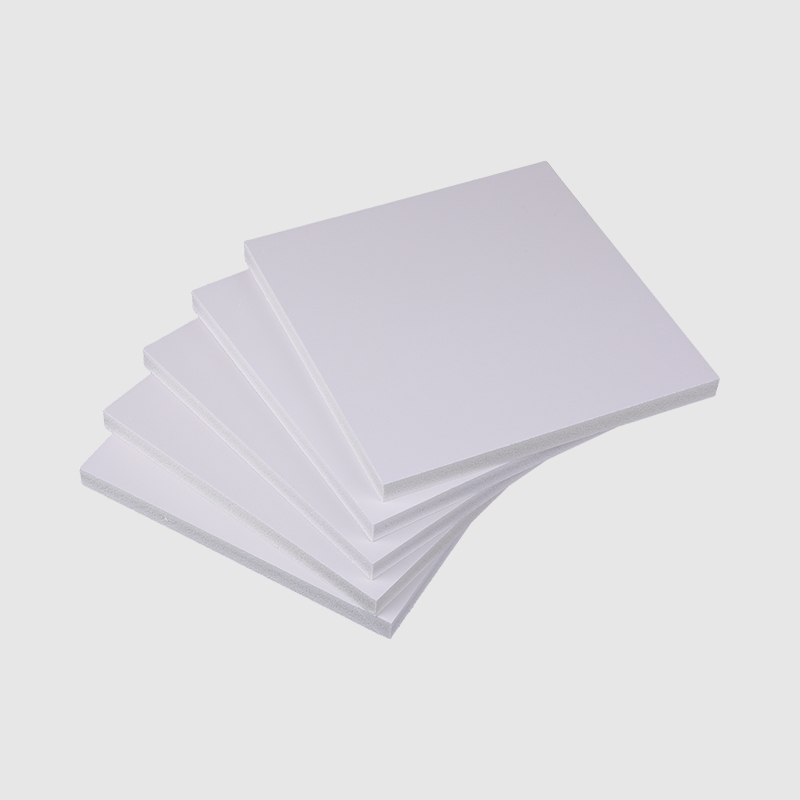
Characteristics: It is a very simple core material with good mechanical properties, easy to carve to create 3D exhibits and easy to nail. It can be co...
See Details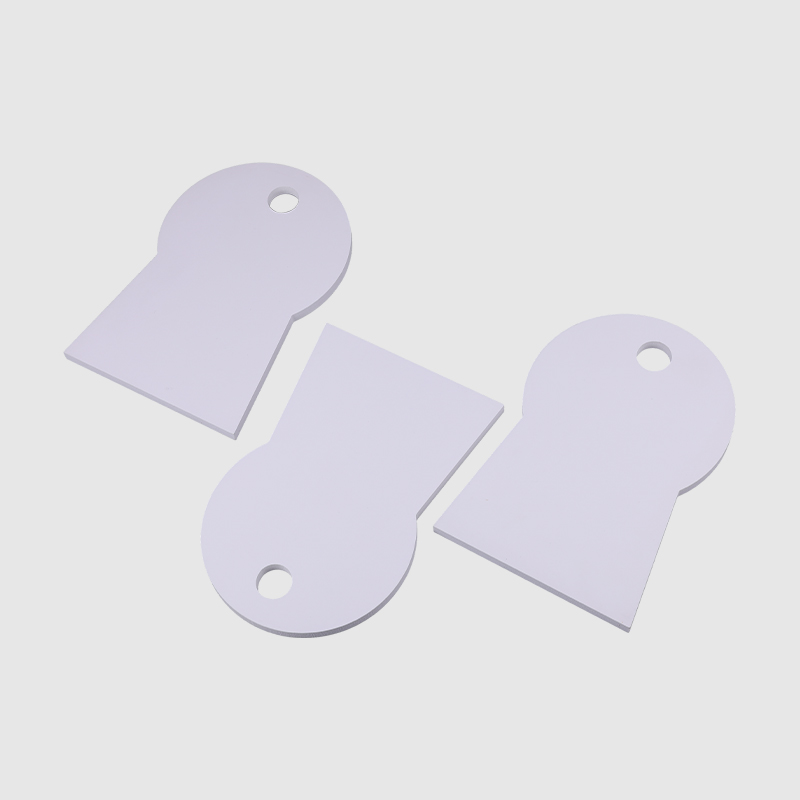
Features:Produced specifically for the needs of the printing industry and photo mounting applications, the fine textured surface and matte white colou...
See Details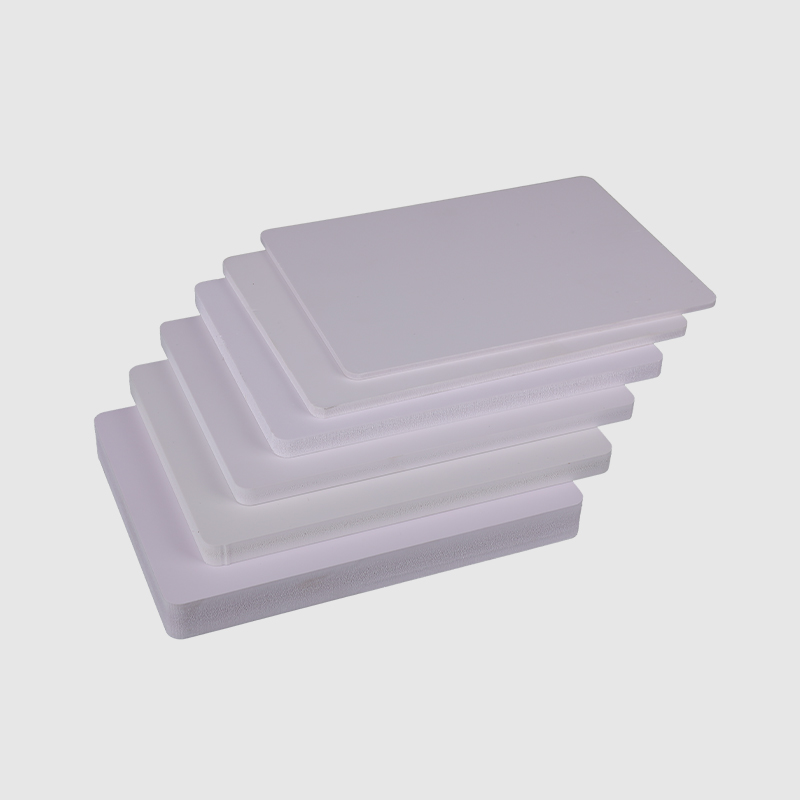
Features: white expanded closed cell rigid PVC sheet material with exceptionally fine and uniform cell structure and silky matte surface, it is partic...
See Details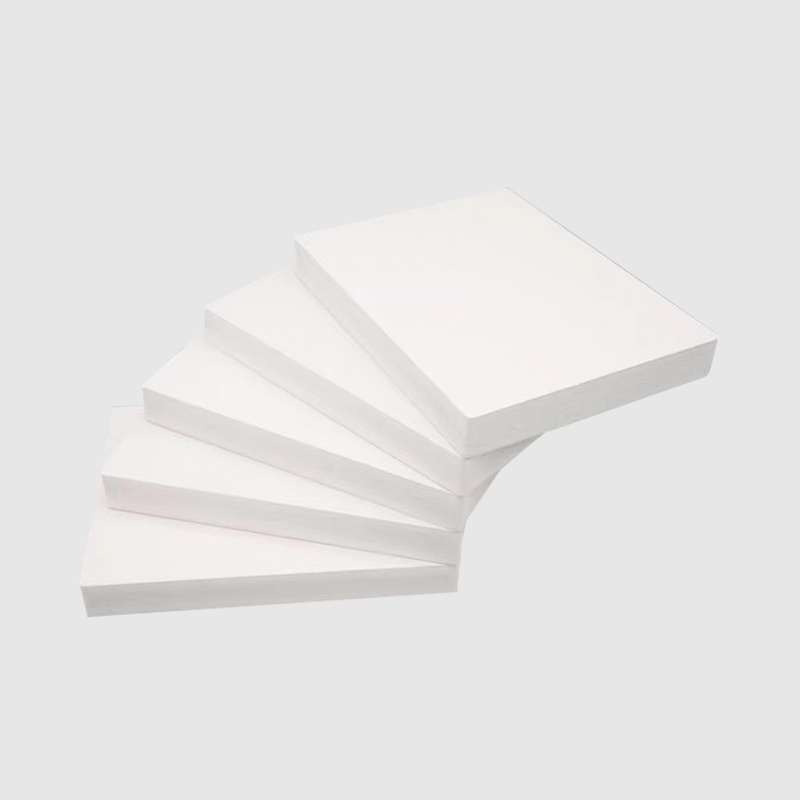
Features: PVC Foam Board offers high chemical resistance, high screw load capacity and easy processing, making it an ideal solution for furniture manu...
See Details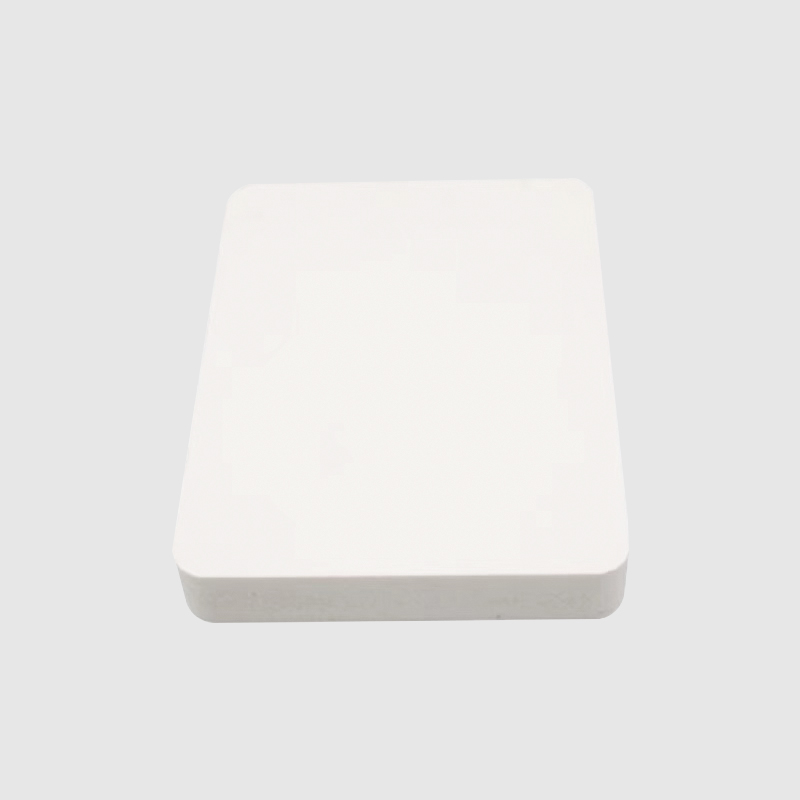
PVC Freedom Foam Board is lightweight and easy to handle and install. With its smooth, even surface, it provides the canvas for printing or painting. ...
See Details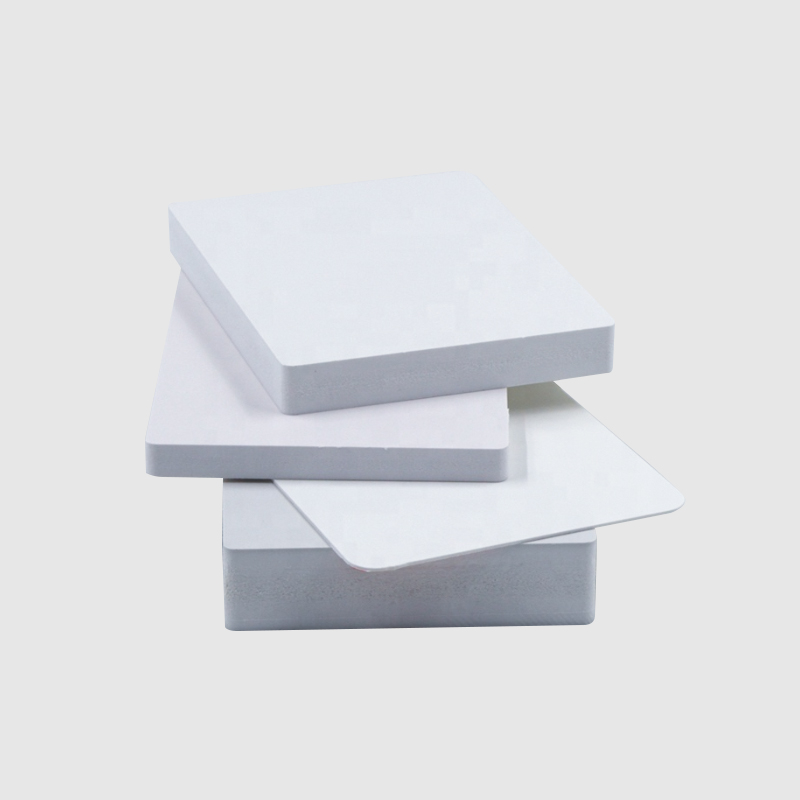
Rigid Forex PVC Foam Sheet Sign Board is a high quality, reliable material designed for printing and advertising purposes. The board is made from dura...
See Details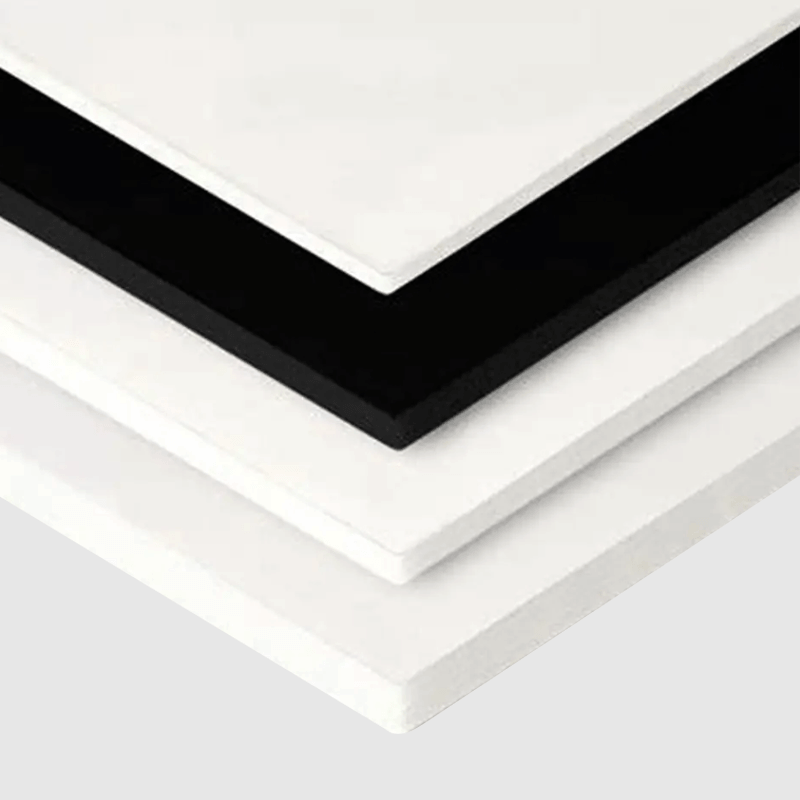
Characteristics: PVC board and other multi-hollow materials with similar acoustic properties noise reduction data in the range of 0.8-1.10 or so, can ...
See Details
No.65 Liminba, Yinong Town, Xiaoshan District, Hangzhou, Zhejiang, China
+86-17816178586
Copyright © Jiatao Industry Co., Ltd. All Rights Reserved.
Custom Rigid PVC Plastic Foam Boards Suppliers




Contact Us