

 English
 Español
 عربى
عربى
Home / News / Industry News / PVC Celuka Foam Board for Furniture Manufacturing: Properties, Benefits & Selection
PVC Celuka Foam Board for Furniture Manufacturing: Properties, Benefits & Selection
Article Directory
- 1 Why furniture manufacturers are switching to PVC Celuka foam board
- 2 How the Celuka process changes board behaviour
- 3 Properties that determine furniture quality
- 4 Machining, joining, and finishing without surprises
- 5 Matching thickness and density to the furniture component
- 6 Supplier checks that prevent batch failures
- 7 Bottom line
Why furniture manufacturers are switching to PVC Celuka foam board
In a coastal cabinet factory, the switch happened after one humid season. Vanity carcasses made with melamine-faced MDF came back with swollen edges and loose hinges, while a test batch of PVC Celuka foam board installed at the same time kept its dimensions and fastener grip. The conclusion was direct: for furniture that will live in kitchens, bathrooms, or any space with changing humidity, PVC Celuka foam board is the more predictable substrate.
The material is not a wood substitute in every sense. It is a rigid, lightweight panel with a foamed core and a compact outer skin, and it behaves like a wood panel on the saw and the CNC. Because it does not absorb water the way cellulose-based panels do, it removes the most common warranty failure in modern furniture. This article explains how the board is made, which properties should drive material selection, and what to verify before committing to a supplier.
How the Celuka process changes board behaviour
The Celuka extrusion process starts with a PVC compound that is melted and pushed through a die. The outer layer of the sheet is cooled immediately against the die wall, forming a dense, hard skin, while the interior continues to expand into a fine closed-cell foam. That skin is considerably harder than the surface of a free-foam PVC board, which makes the panel more resistant to scratches, dents, and indentation on worktops. The closed cells, in turn, limit moisture paths, because water cannot travel through interconnected voids as it does in open-cell materials.
For furniture manufacturers, the practical difference shows up at the router. A Celuka sheet cuts with a crisp edge, holds a screw without stripping the thread, and avoids the edge fuzz that marks softer free-foam panels. Before you specify a grade, our practical guide to PVC Celuka foam board properties and uses walks through density, surface hardness, and typical quality levels.
For most cabinet and casework applications we recommend a furniture-grade panel with a rigid surface and a density high enough to hold hardware. One option is our high-density PVC Celuka sheet for furniture applications, available in 3mm to 17mm thicknesses with a waterproof closed-cell core.
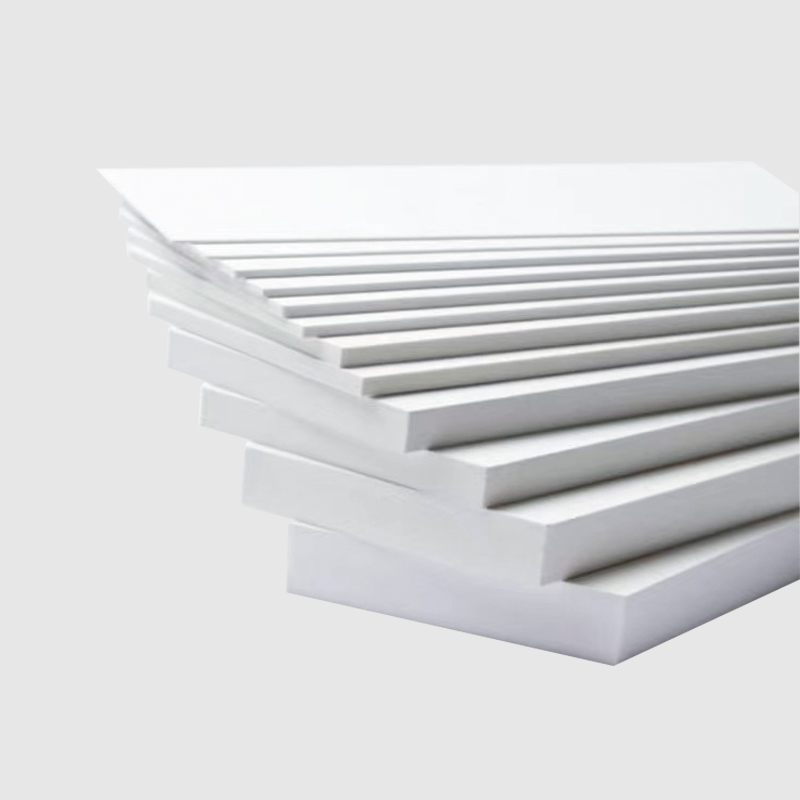 Wholesale OEM/ODM Pvc foam board celuka sheet rigid surface high density 3mm-17mOffer Wholesale Pvc foam board celuka sheet rigid surface high density 3mm-17mm furniture application water proof pvc board white color r...View Product →
Properties that determine furniture quality
Density and stiffness
Density is the first specification to check. Furniture-grade Celuka boards typically sit between 0.45 and 0.75 g/cm3. At the lower end you gain lightness and economy; at the higher end you gain stiffness, screw holding, and hinge retention. A board that is too soft for a cabinet side will strip screws when hinges are remounted, and a long shelf will sag under load. For structural components such as carcass sides and worktops, select a higher-density grade and a thickness matched to the span. The relationship between density and mechanical behaviour is explained in more detail in our article on how the density range of PVC Celuka sheets affects strength, rigidity and thermal insulation.
Moisture resistance and dimensional stability
This is the property that makes Celuka board valuable in furniture. Cut edges, drilled holes, and routed grooves expose the core, and in wood-based panels these are exactly the points where moisture enters. In a closed-cell PVC core there is no capillary path, so water absorption remains very low and the board does not swell, rot, or delaminate. Dimensional stability in humid conditions is the main reason furniture manufacturers specify Celuka board for bathroom vanities, kitchen cabinets, and commercial furniture that has to survive daily cleaning. We summarised the comparison data in our review of the moisture-proof and waterproof properties of PVC Celuka board.
For wet-area furniture, waterproof and fireproof grades in the 11mm to 18mm range keep the full board thickness stable even with exposed edges; our waterproof and fireproof foam PVC board from 11mm to 18mm for furniture is produced in this segment.
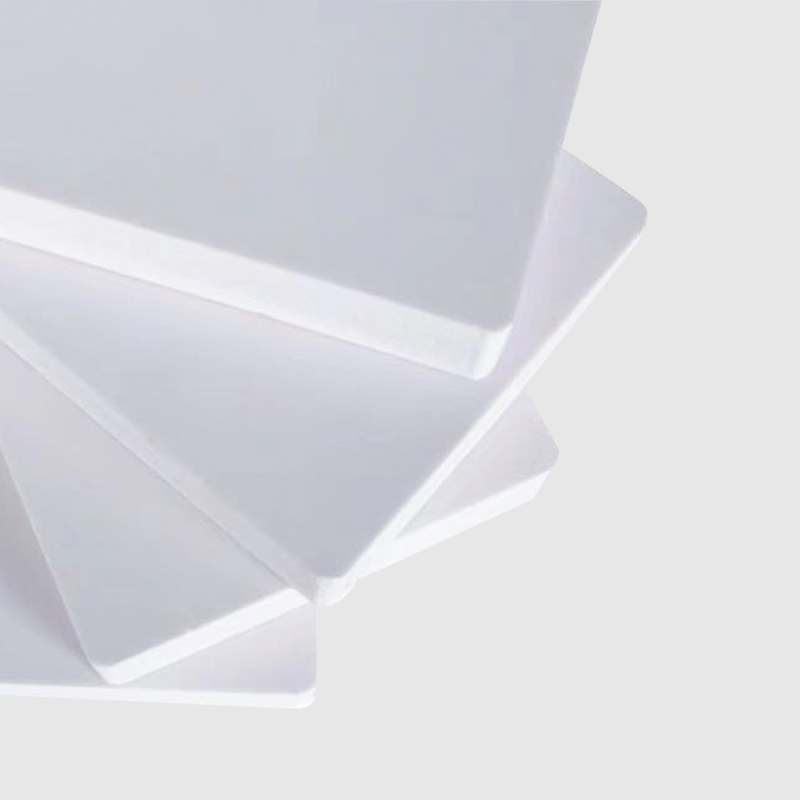 Wholesale OEM/ODM White 11mm 15mm 18mm waterproof and fireproof foam pvc boards Offer Wholesale White 11mm 15mm 18mm waterproof and fireproof foam pvc boards for furniture, Jiatao Industrial Co., Ltd is China OEM/ODM ...View Product →
Surface flatness and finish quality
The dense skin delivers a smooth, closed surface that accepts PVC edge banding, laminated films, and paint systems without the fibre raise typical on MDF. For door panels and visible cabinet sides, flatness is also a manufacturing advantage: consistent board thickness reduces sanding and rework.
Light weight in handling and logistics
A 4x8-foot sheet of 18mm Celuka board is noticeably lighter than particleboard or MDF of the same size. That reduces operator fatigue during cutting, lowers transport weight, and makes assembled units easier to manoeuvre on site. The weight saving does not come at the cost of rigidity when density is matched to the application.
Machining, joining, and finishing without surprises
Celuka board machines like a softwood with a finer finish. Use carbide-tipped saw blades and router bits; the dense skin cuts cleanly, and the foamed core does not tear out along the cut line. Pilot holes are recommended before screwing, and a standard wood screw holds well in densities above about 0.6 g/cm3. For lamination, polyurethane and solvent-free adhesives bond reliably to the skin, and edge banding with hot-melt adhesive works the same as on wood panels. If you plan to UV-print directly onto the board, the surface needs corona treatment or a printing primer to achieve proper ink adhesion.
Matching thickness and density to the furniture component
No single thickness covers a whole product range. In a typical cabinet, the door, the carcass, and the back panel each need a different balance of stiffness and weight. The table below compares Celuka board with the alternatives most furniture factories already keep in stock.
| Property | PVC Celuka foam board | Free-foam PVC board | MDF | Plywood |
|---|---|---|---|---|
| Moisture resistance | High; low water absorption | Medium-high | Low; swells at cut edges | Medium; can delaminate |
| Surface hardness | High, dense outer skin | Medium, softer surface | Medium | Medium |
| Edge quality after routing | Clean, crisp edges | Softer edges, more fuzz | Good when edges are sealed | Good; splinter risk in thin plies |
| Dimensional stability in humidity | Excellent | Good | Poor | Fair to good |
| Screw and hinge retention | Good at higher densities | Moderate | Good with hardware-specific screws | Good |
| Weight at equal thickness | Light | Light | Heavier | Medium |
As a working rule, furniture components divide into three thickness bands:
- 3mm to 8mm boards suit door skins, back panels, drawer bottoms, and lightweight partitions where stiffness comes from framing.
- 10mm to 15mm boards work well for cabinet sides, shelves, and display units that need moderate load capacity without excess weight.
- 18mm to 25mm boards carry heavier structural use: carcass frames, worktops, and cabinet doors that must stay flat over a large surface.
When a project needs consistent colour and a closed cell all the way through a door panel, a purpose-made cabinet-door grade is worth specifying. Our closed-cell PVC foam sheet for cabinet doors in 18mm, 19mm, and 20mm thicknesses keeps the same structural core across a range of surface colours.
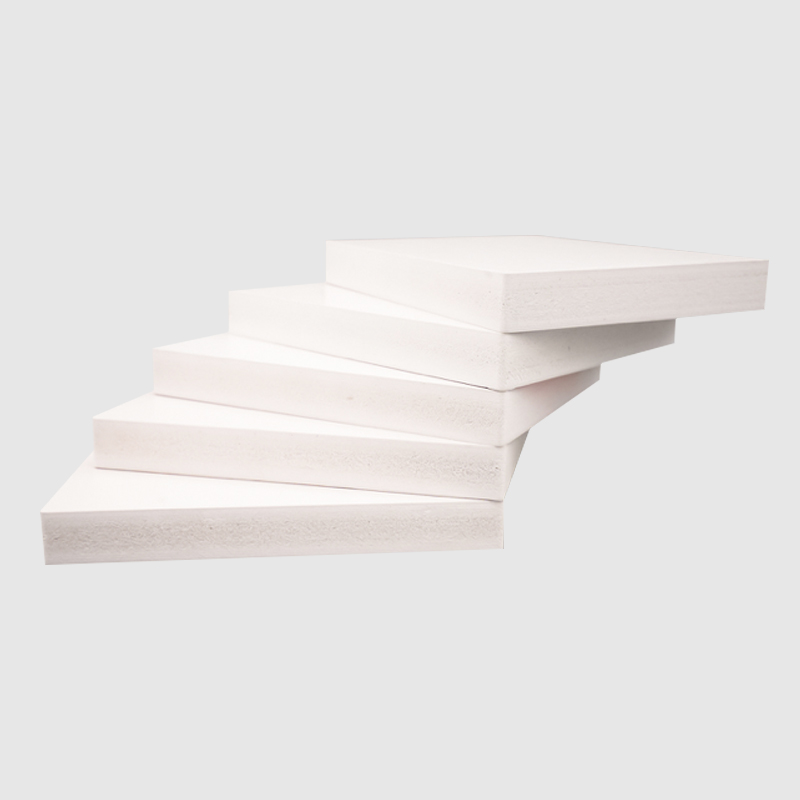 Wholesale OEM/ODM Color pvc foam sheet pvc foam board closed-cell for furniture Offer Wholesale Color pvc foam sheet pvc foam board closed-cell for furniture cabinet door 18mm 19mm 20mm, Jiatao Industrial Co., Ltd is ...View Product →
Supplier checks that prevent batch failures
A board that performs well in a sample can still fail across a production batch if the supplier's process control is weak. Before ordering, ask about density tolerance, skin consistency, and flatness after cooling. Large-format boards above 12mm are the most likely to show warpage if the cooling line is not calibrated.
- Confirm the density range in writing and test a full sheet, not only a small coupon.
- Check flatness: place the sheet on a known flat surface and measure corner lift.
- Ask for lead-free and REACH or RoHS documentation if you export furniture to regulated markets.
- Verify that custom thicknesses and cut-to-size panels are produced in-house rather than sourced from another factory.
- Run a screw pull-out test and a router test on the exact grade you intend to buy.
Manufacturers with real extrusion experience tend to give more precise answers to these questions. Hangzhou Jiatao Industrial Co., Ltd. has produced PVC foam boards for more than 15 years, with an annual capacity above 25,000 tonnes and regular exports to the United States, Germany, Japan, and other quality-conscious markets. Its Celuka line is manufactured in-house, which keeps density and skin thickness under the same continuous control and allows custom sizes without a third-party link in the chain.
Bottom line
PVC Celuka foam board is a production-grade substrate that removes moisture failure from furniture and simplifies machining. Specify density and thickness for each component, verify the board in a real cutting test, and buy from a supplier that controls the extrusion process end to end. The result is furniture that ships lighter, installs faster, and generates fewer service callbacks.
Recommended NEWS:
How to deal with board deformation during the production process of PVC Celuka Board?
PVC Free Foam Board's multiple applications and environmental advantages in the field of transportation
Custom Laminated PVC Foam Board: A versatile material with excellent waterproof performance
WPC Foam Board: Green building materials with environmental performance and waste reduction
What environmental measures are used in the production of White Laminated PVC Free Foam Boards?
What is the anti-corrosion performance of WPC Foam Board in humid or rainy areas?
Related Products
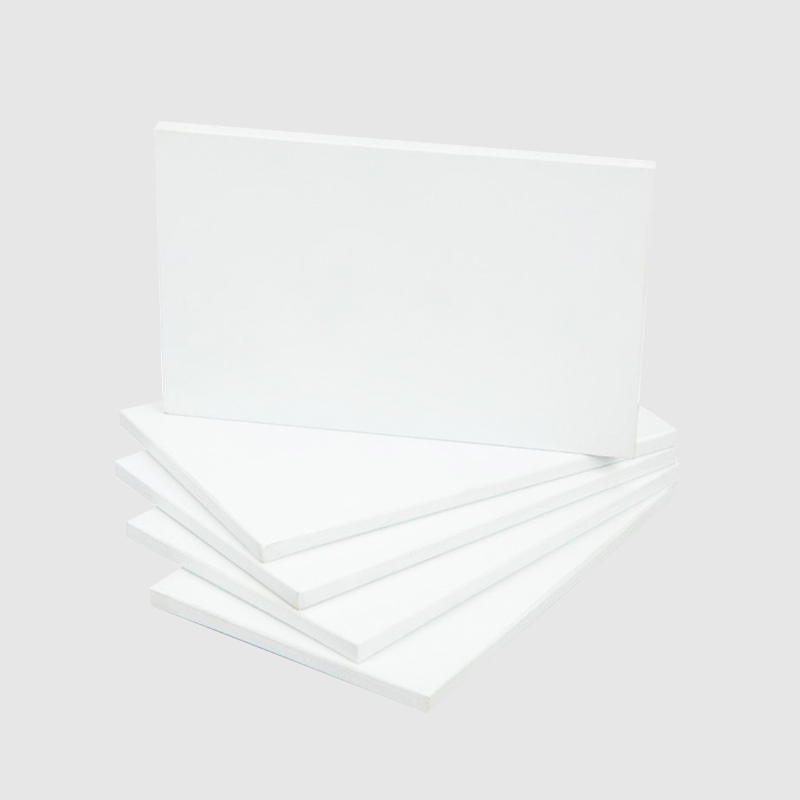

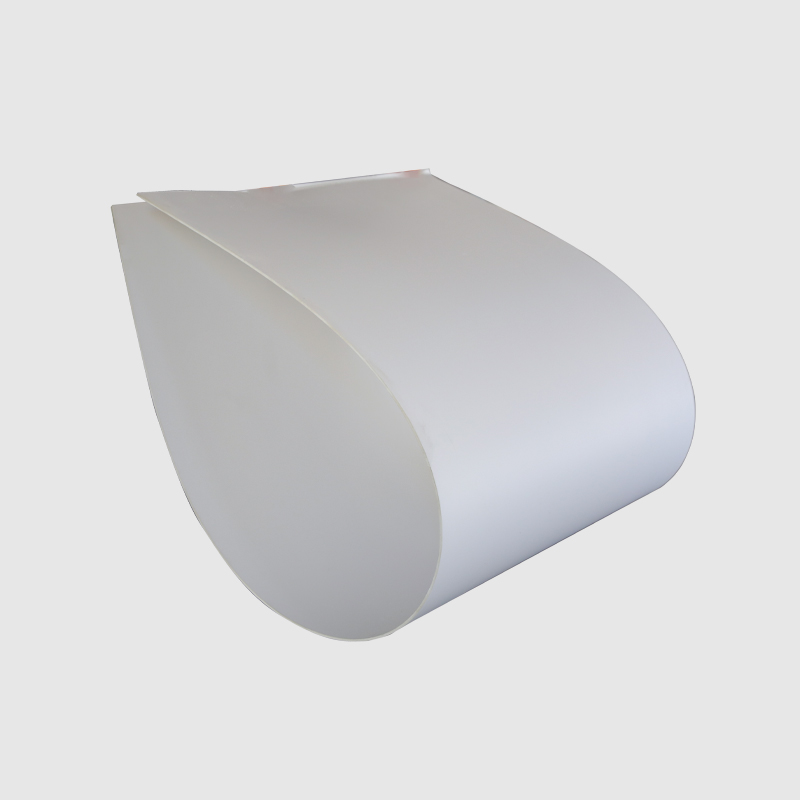
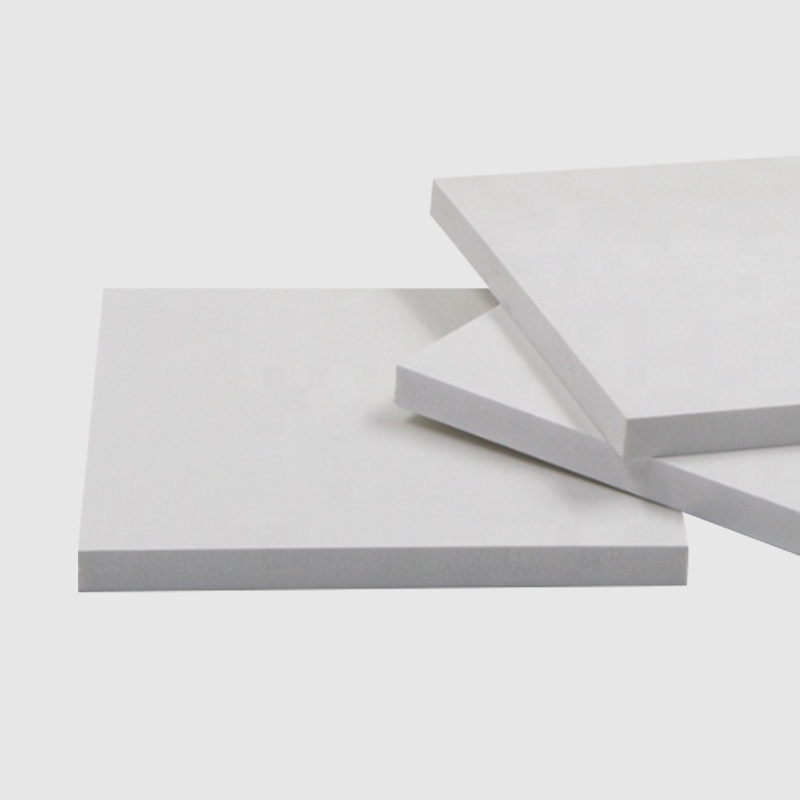
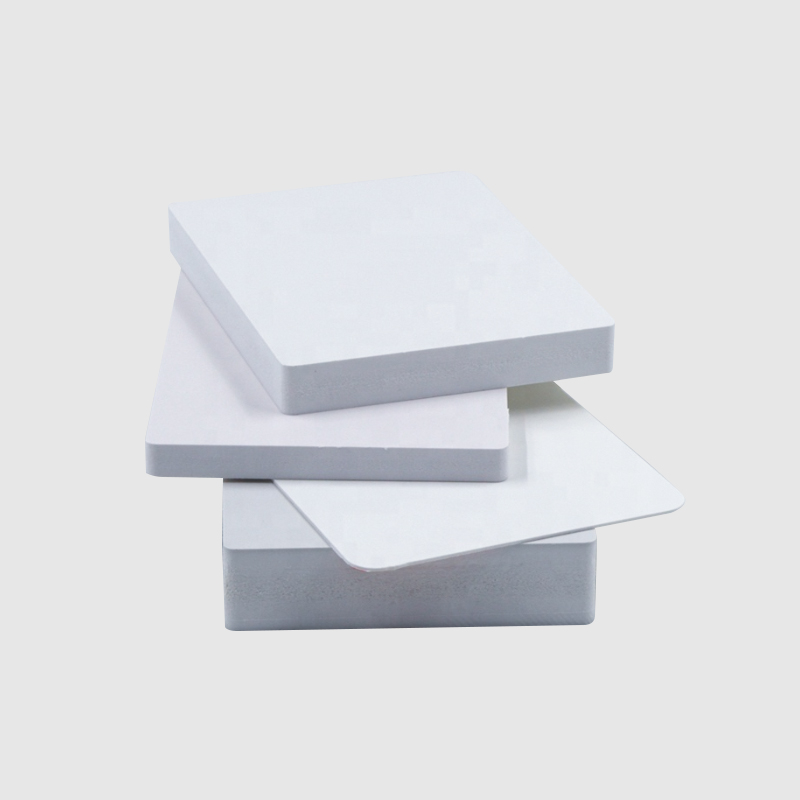
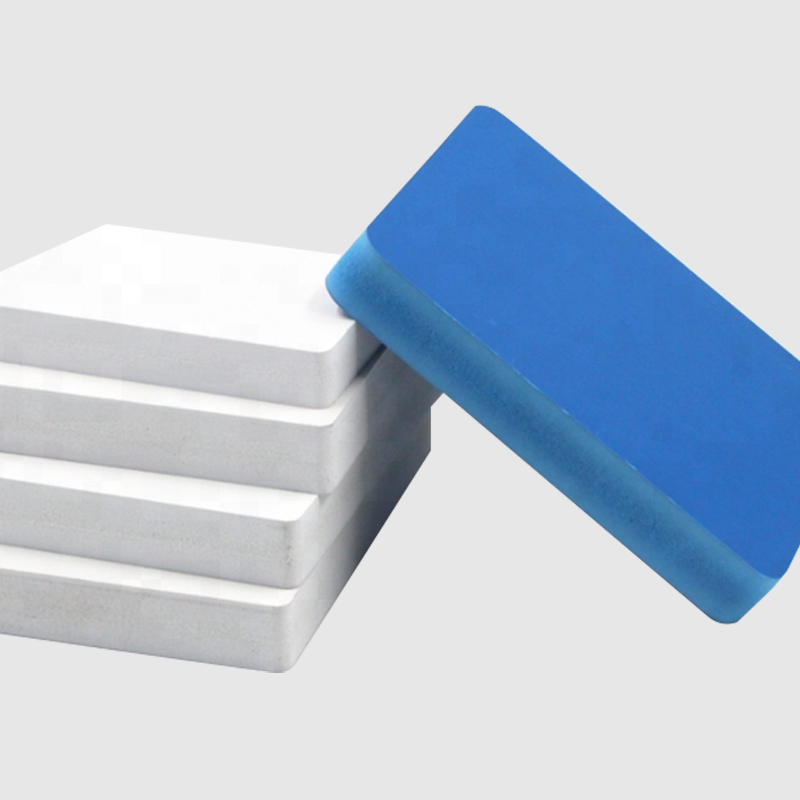

Jiatao Industry Co., Ltd. is a professional manufacturer of polyvinyl chloride plastic boards in China, dedicated to the production of PVC foam boards, plastic wood foamboards, as well as colorful pVC for extruded foam board sheet manufacturers.
-
ADDRESS
No.65 Liminba, Yinong Town, Xiaoshan District, Hangzhou, Zhejiang, China
-
EMAIL
-
PHONE
+86-17816178586
MOBILE SITE



Copyright © Jiatao Industry Co., Ltd. All Rights Reserved.
Custom Rigid PVC Plastic Foam Boards Suppliers

Contact Us