

 English
 Español
 عربى
عربى
Home / News / Industry News / PVC Celuka Foam Sheet vs MDF Board: Which Is the Better Material for Your Project?
PVC Celuka Foam Sheet vs MDF Board: Which Is the Better Material for Your Project?
Article Directory
- 1 What Actually Makes a PVC Celuka Foam Sheet Different
- 2 PVC Celuka vs MDF: Side-by-Side Comparison
- 3 Moisture Resistance: The Reason Most Buyers Switch
- 4 Strength, Screw Holding, and Long-Term Rigidity
- 5 Machining, Printing, and Surface Finish
- 6 Weight, Handling, and Installation
- 7 Purchase Price vs. Total Cost
- 8 Which Board Should You Choose?
- 9 The Bottom Line
Looking at material options for a run of kitchen cabinet door panels, bathroom vanity units, or exterior signage, you will eventually compare two very different sheets: PVC Celuka foam board and MDF. Here is the practical verdict up front. Choose PVC Celuka foam sheet when the panel will face moisture, humidity, cleaning chemicals, or frequent handling. Choose MDF only when the application stays permanently dry, the budget is tight, and your finishing line is already set up for wood-based primers. The sections below explain exactly why the two boards behave so differently.
What Actually Makes a PVC Celuka Foam Sheet Different
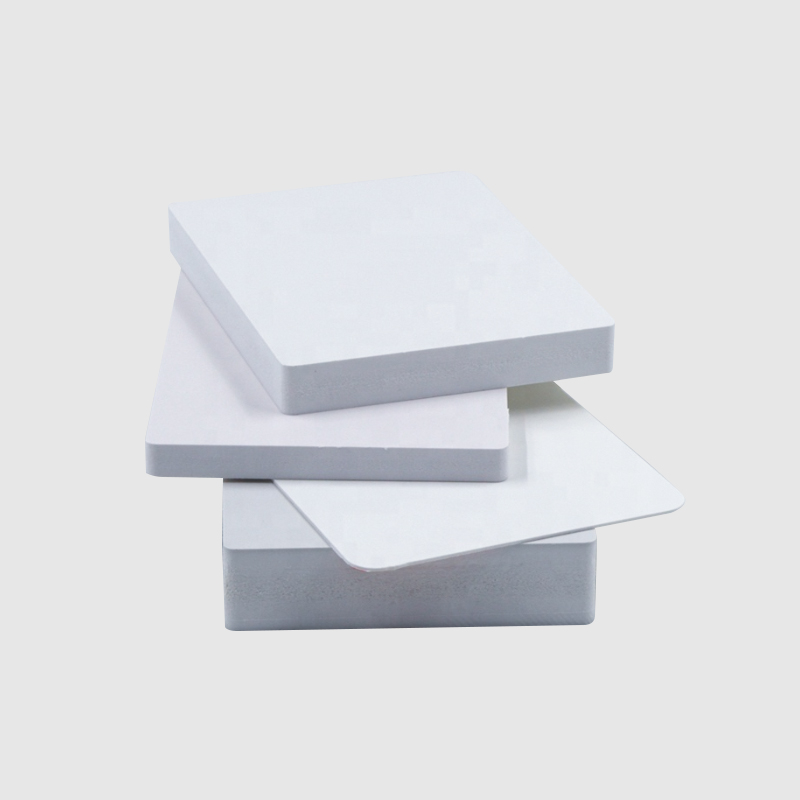
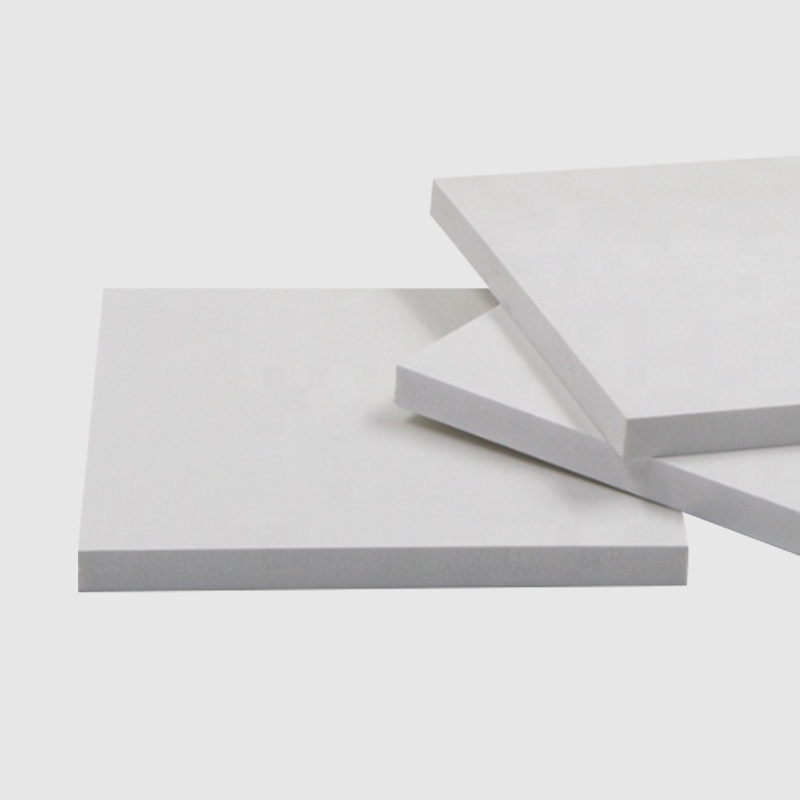
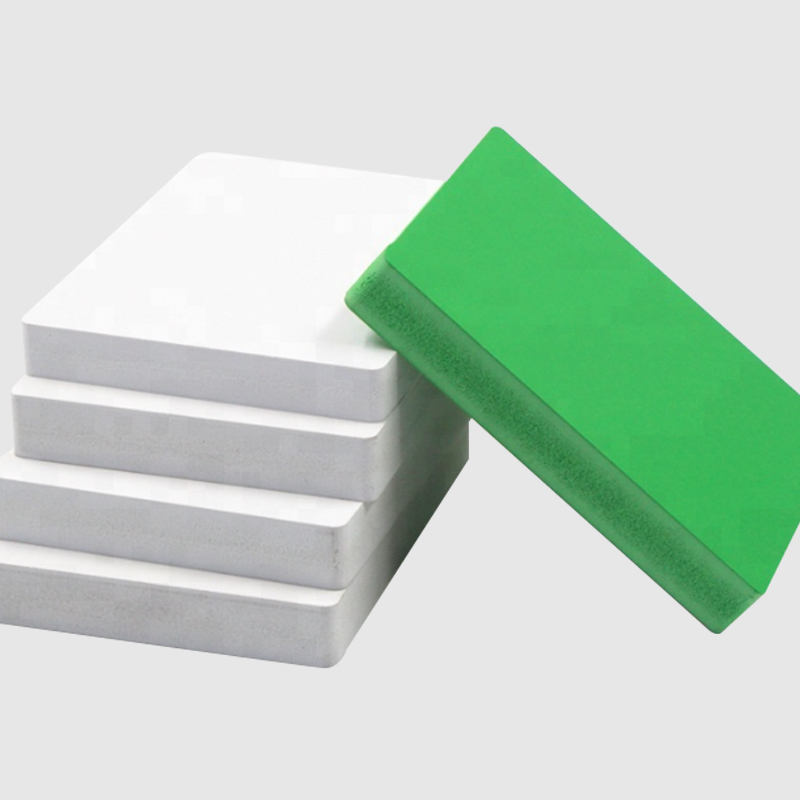
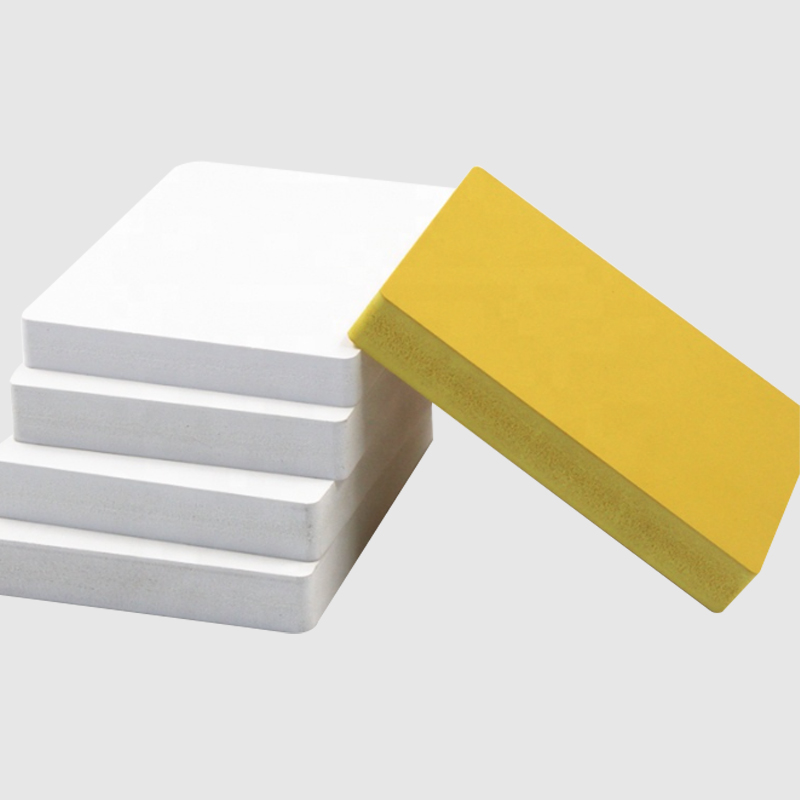
A PVC Celuka foam sheet is an extruded rigid PVC board produced by the Celuka process. As the molten PVC and a foaming agent pass through the die, the outer surface is cooled immediately, forming a dense hard skin on both faces while the inner material continues to foam into a fine, closed-cell core. The sheet therefore looks and behaves like a solid plastic panel on the outside, while staying light and slightly insulating on the inside.
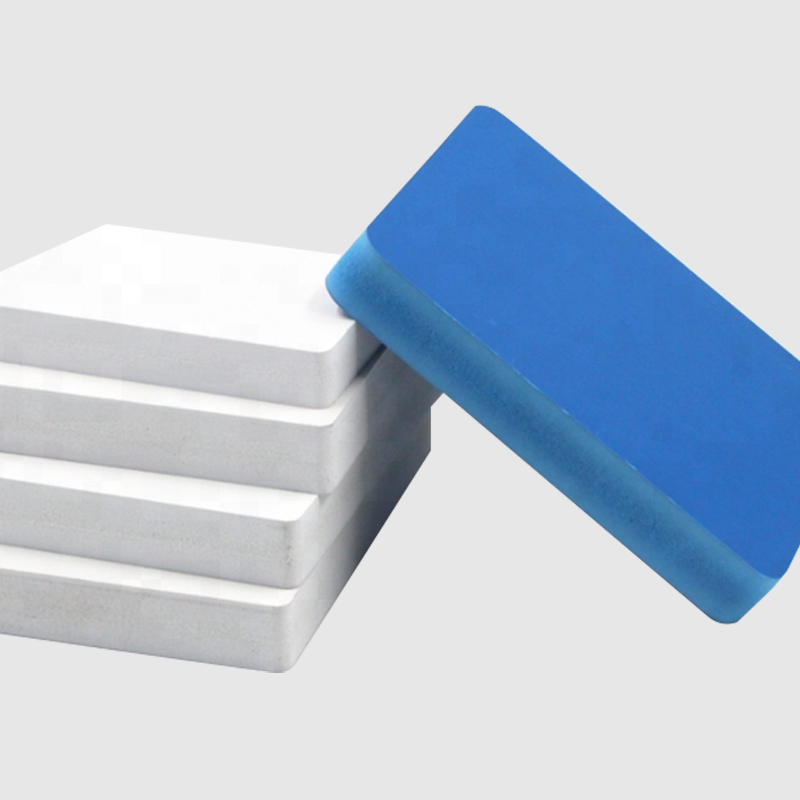
That structure explains most of its practical benefits. The skin resists scratches, moisture ingress, and uneven ink absorption; the closed-cell core blocks water; and the density range of 0.5–0.8 g/cm³ keeps the board light enough for one person to handle. Common panel sizes include 1220 × 2440 mm, with thicknesses from 3 mm to 20 mm. You can source rigid-surface PVC Celuka foam boards in white, colored, and woodgrain finishes, which eliminates a separate paint or lamination step for many fabricators.
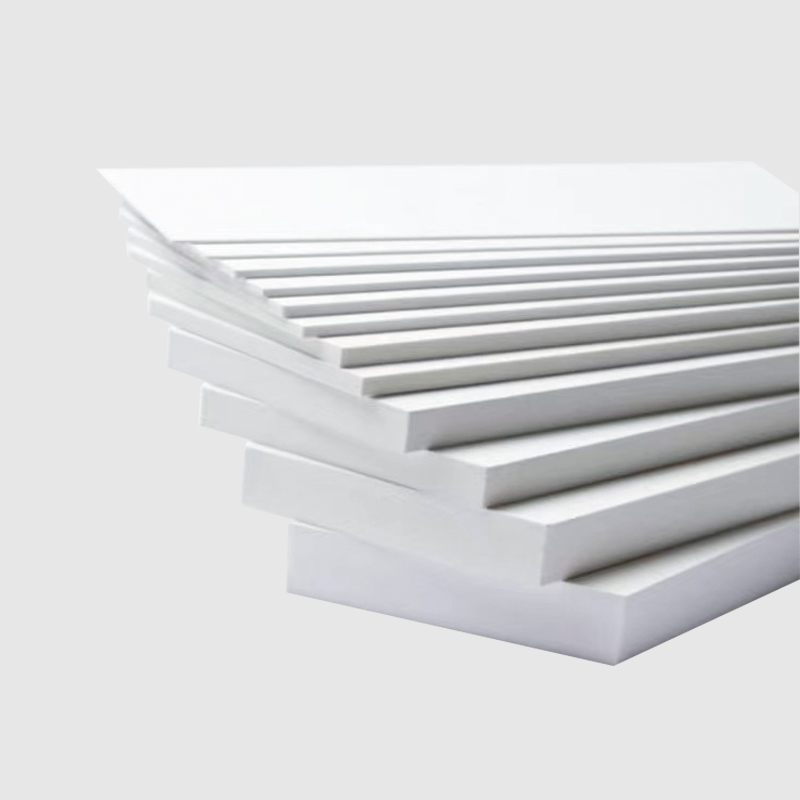 Wholesale OEM/ODM Pvc foam board celuka sheet rigid surface high density 3mm-17mOffer Wholesale Pvc foam board celuka sheet rigid surface high density 3mm-17mm furniture application water proof pvc board white color r...View Product →
What About MDF?
MDF, short for medium-density fibreboard, is manufactured by compressing wood fibres with synthetic resin under heat. It offers a smooth, uniform face, good paintability, and a price that is hard to beat in dry indoor furniture. Its density typically sits between 0.6 and 0.8 g/cm³, so sheet weight is in the same neighbourhood as Celuka. The critical difference is structure: MDF is a wood-fibre matrix that absorbs moisture, swells at cut edges, and begins to delaminate when water penetrates. Without a moisture-resistant grade or edge sealing, water remains its defining weakness.
PVC Celuka vs MDF: Side-by-Side Comparison
| Property | PVC Celuka Foam Sheet | MDF Board |
|---|---|---|
| Water resistance | Very high; closed-cell skin and core absorb almost no moisture | Low; edges swell and faces blister when wet |
| Weight (18 mm, 1220×2440 mm sheet) | About 27–33 kg depending on density | About 35–40 kg depending on density |
| Screw holding | Good on faces; edge screws need pilot holes and careful selection | Excellent edge grip; very forgiving for cabinet screws |
| Surface readiness | Hard factory skin; UV printing, lamination, or acrylic paint without primer in most cases | Smooth but porous; needs sanding, sealing, and priming before paint |
| Dimensional stability | Minimal expansion; typical water absorption below 1% | Can swell severely at edges in humid conditions |
| Biodegradation risk | Resistant to mould, rot, and termites | Susceptible to mould and termite attack in damp environments |
| Relative cost | Higher purchase price | Lower purchase price |
| Suitable environments | Bathrooms, kitchens, signage, wet workshops | Dry indoor furniture and interior joinery only |
Moisture Resistance: The Reason Most Buyers Switch
One technical fact decides this contest: water absorption. MDF is essentially compressed wood fibre, and every cut edge, screw hole, or scratched surface is an entry point for moisture. In a bathroom cabinet or outdoor sign, humidity and condensation settle on the cut edge, the fibres swell, and the board can deform within weeks. Even moisture-resistant MDF only slows the process; it never eliminates it.
Celuka has no such vulnerability. The closed-cell structure and hard outer skin mean the board neither absorbs nor transmits water, so cut edges can be left unfinished. Fabricators who rely on the moistureproof and waterproof properties of PVC Celuka board save the cost of edge banding, waterproof primers, and anti-moisture lacquer. More importantly, they avoid the warranty risk of a swollen door panel six months after installation.
Strength, Screw Holding, and Long-Term Rigidity
Here is the honest trade-off. MDF is dense, and its wood-fibre structure grips screws firmly. If you are assembling a load-bearing carcass with dozens of edge screws, MDF feels solid and forgiving. A Celuka foam sheet has a hard skin but a softer core, so edge screws require pilot holes, coarse-thread screws, or proprietary cabinet fittings. For fully load-bearing structural joints, MDF remains a valid starting point; alternatively, a co-extruded PVC foam board offers a harder core for the same water resistance.
For everything else, Celuka provides adequate rigidity for cabinet doors, decorative panels, shelving, and wall cladding at standard thicknesses of 12–18 mm. Its dimensional stability is actually an advantage: in changing humidity, MDF expands and contracts along its faces, while Celuka stays essentially flat. That stability matters for door alignments and printed graphics, where warping makes a panel unusable.
Machining, Printing, and Surface Finish
Both boards route, saw, and CNC cleanly, but the waste stream differs. MDF produces fine dust and dulls tooling faster; Celuka creates similar dust but keeps edges cooler and does not burn or fuzz as easily. The surface difference is larger. A routed MDF edge is fibrous and must be sanded and sealed before finishing. A Celuka edge is closed and smooth and can be left as-is, which removes one or two finishing operations per panel.
For UV printing and lamination, Celuka's skin is a clear advantage. Ink sits on the surface without sinking into fibre, and laminate adhesion is consistent without pre-sealing. MDF panels printed directly often show mottled ink absorption and raised grain. Fabricators who follow a PVC Celuka foam board properties and quality guide typically count on repeatable cutting and printable surfaces without extra preparation.
Weight, Handling, and Installation
Weight follows directly from density. An 18 mm 1220 × 2440 mm MDF sheet commonly weighs 35–40 kg, while a comparable Celuka sheet at 0.5–0.6 g/cm³ weighs roughly 27–33 kg — about 20–30% lighter. For exhibition panels, wall cladding, and overhead signage, that difference changes installation methods, fixing specifications, and the number of workers needed on site. It also reduces freight cost and the physical strain on workshop staff.
Purchase Price vs. Total Cost
On the invoice, MDF wins. Sheet-for-sheet, MDF is less expensive than PVC Celuka foam sheet, and in regions where wood fibre is abundant the gap becomes large. But the purchasing price is not the real cost. Count the edge banding, anti-moisture sealer, primer, and paint that MDF requires in wet applications; count the rejected panels after a flood or a humid season; count the rework and callbacks. In dry furniture, MDF can last a decade with careful finishing. In a bathroom, laundry room, or exterior environment, the cheaper board often becomes the more expensive one through failures and replacement.
Which Board Should You Choose?
Match the board to the environment and the production setup, not to habit. For most cabinet and furniture work, waterproof and fireproof PVC foam boards for furniture are the practical starting point.
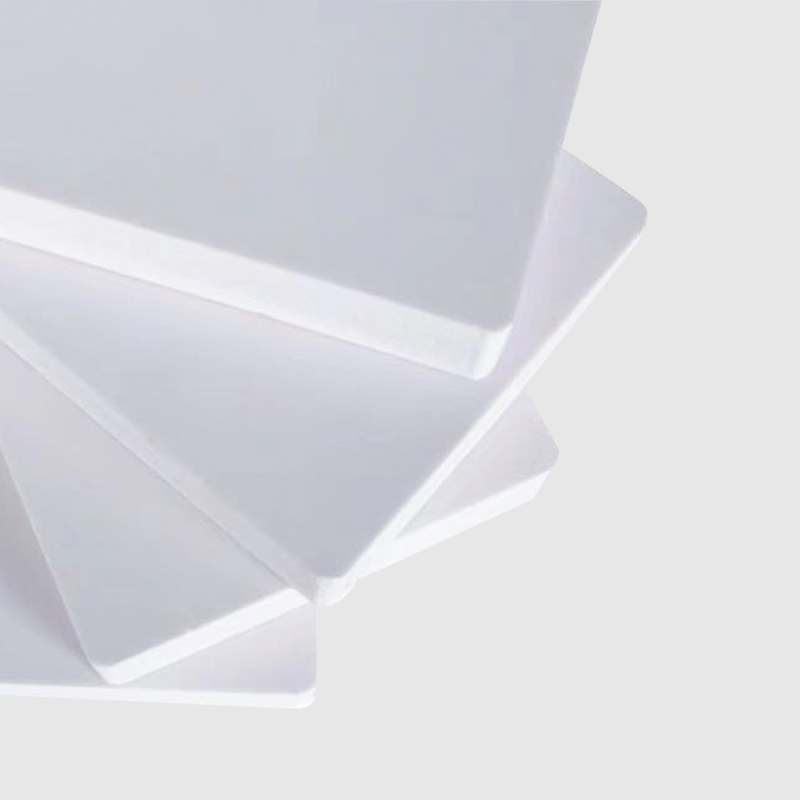 Wholesale OEM/ODM White 11mm 15mm 18mm waterproof and fireproof foam pvc boards Offer Wholesale White 11mm 15mm 18mm waterproof and fireproof foam pvc boards for furniture, Jiatao Industrial Co., Ltd is China OEM/ODM ...View Product →
Choose PVC Celuka foam sheet when:
- The panel will be exposed to moisture, humidity, steam, or frequent cleaning — kitchens, bathrooms, laundry rooms.
- You need a printable or laminate-ready surface without primer or sealing.
- You want to avoid edge banding and finishing labor.
- Weight matters for transport, installation, or suspended applications.
- Signage, exhibition displays, vanities, wall panels, or cabinet doors are the end use.
Choose MDF board when:
- The application is permanently dry and climate-controlled.
- The lowest sheet price is the dominant constraint.
- You have a wood-finishing line that sands, seals, and spray-paints panels.
- Edge screw holding in structural carcasses is critical.
If your specific project is a bathroom vanity, the guidance in this article on waterproof PVC foam board for bathroom cabinets will help you translate the comparison into a purchasing decision.
The Bottom Line
Neither board is universally better; each is better in its own environment. PVC Celuka foam sheet wins every application where water, humidity, handling, print quality, or long-term stability is on the table. MDF remains a defensible economic choice for dry, sheltered interior parts where a wood-finishing line already exists. If you are stocking a consistent material for mixed production, white rigid Celuka PVC sheets for cabinet work give you the broadest safe range: waterproof, dimensionally stable, printable, and ready to cut without extra finishing.
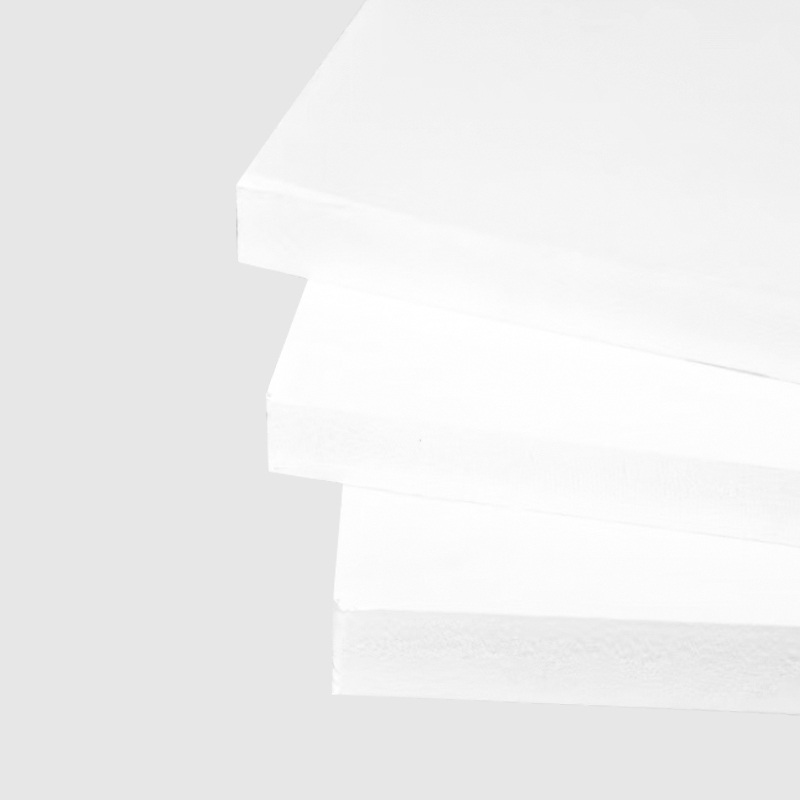 Wholesale OEM/ODM 10mm white pvc foam board 12mm pvc plastic sheet 15mm pvc rigiOffer Wholesale 10mm white pvc foam board 12mm pvc plastic sheet 15mm pvc rigid/celuka/forex pvc foam board, Jiatao Industrial Co., Ltd i...View Product →
Recommended NEWS:
In public facility construction and home decoration, how does Waterproof PVC Celuka Foam Sheets meet the dual needs of waterproofing and sound insulation?
PVC Free Foam Board's multiple applications and environmental advantages in the field of transportation
How to deal with board deformation during the production process of PVC Celuka Board?
Material and performance innovation of PVC ceiling panels
The price of PVC Foam Board is affected by the cost of raw materials
Custom Laminated PVC Foam Board: A versatile material with excellent waterproof performance
Related Products
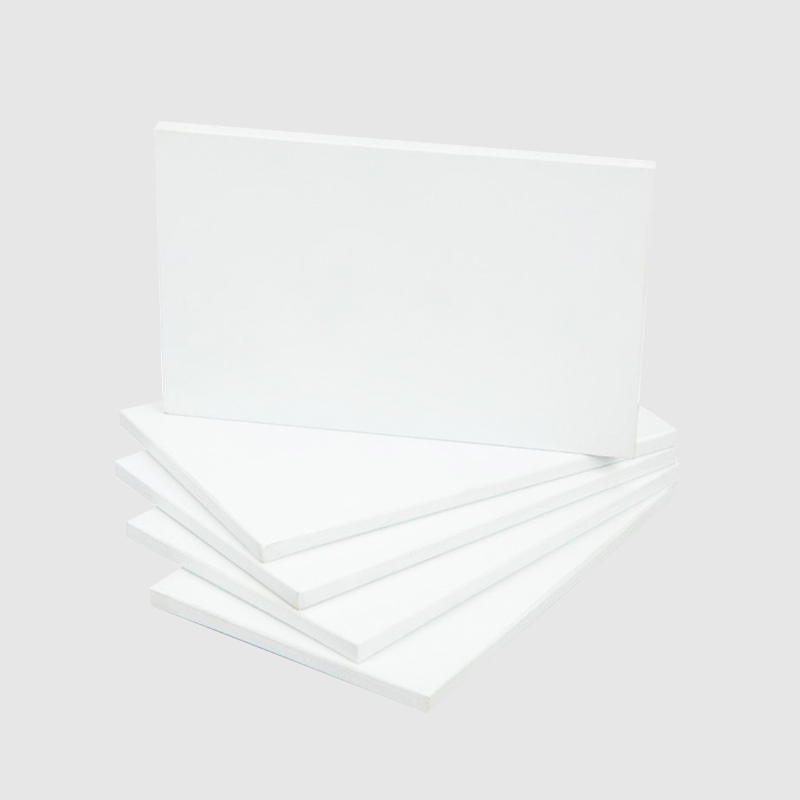


Jiatao Industry Co., Ltd. is a professional manufacturer of polyvinyl chloride plastic boards in China, dedicated to the production of PVC foam boards, plastic wood foamboards, as well as colorful pVC for extruded foam board sheet manufacturers.
-
ADDRESS
No.65 Liminba, Yinong Town, Xiaoshan District, Hangzhou, Zhejiang, China
-
EMAIL
-
PHONE
+86-17816178586
MOBILE SITE



Copyright © Jiatao Industry Co., Ltd. All Rights Reserved.
Custom Rigid PVC Plastic Foam Boards Suppliers

Contact Us