

 English
 Español
 عربى
عربى
Home / News / Industry News / PVC Foam Board: Features, Applications, Manufacturing Process and Selection Guide
PVC Foam Board: Features, Applications, Manufacturing Process and Selection Guide
Article Directory
Advertising boards, bathroom cabinets, and boat interiors have little in common except one material choice: PVC foam board. Its closed-cell structure delivers the rigidity of a wood panel and the water resistance of a sealed sheet, without the weight of either.
What PVC Foam Board Is Made Of
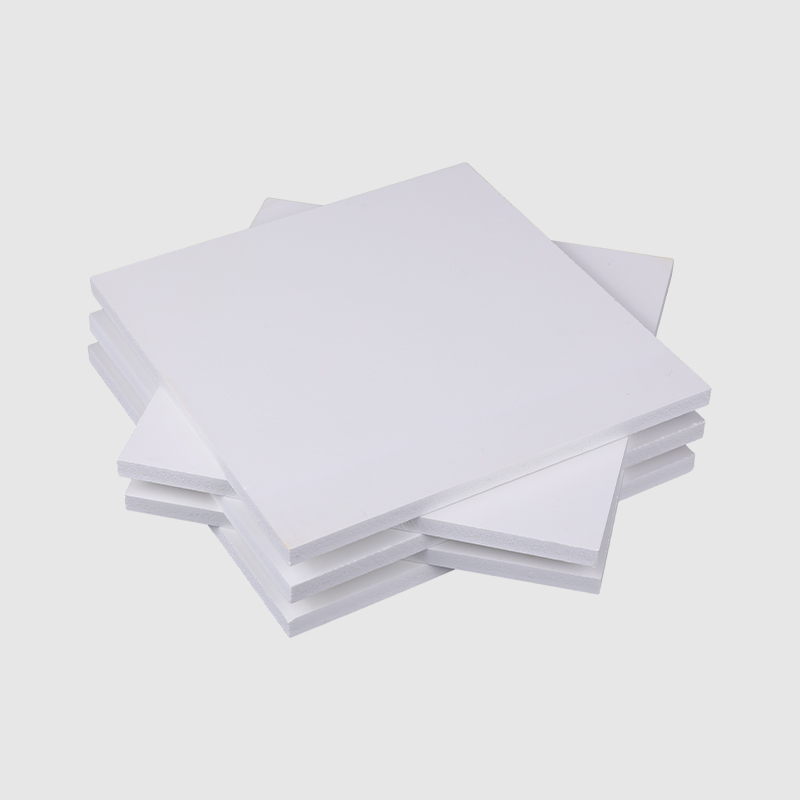
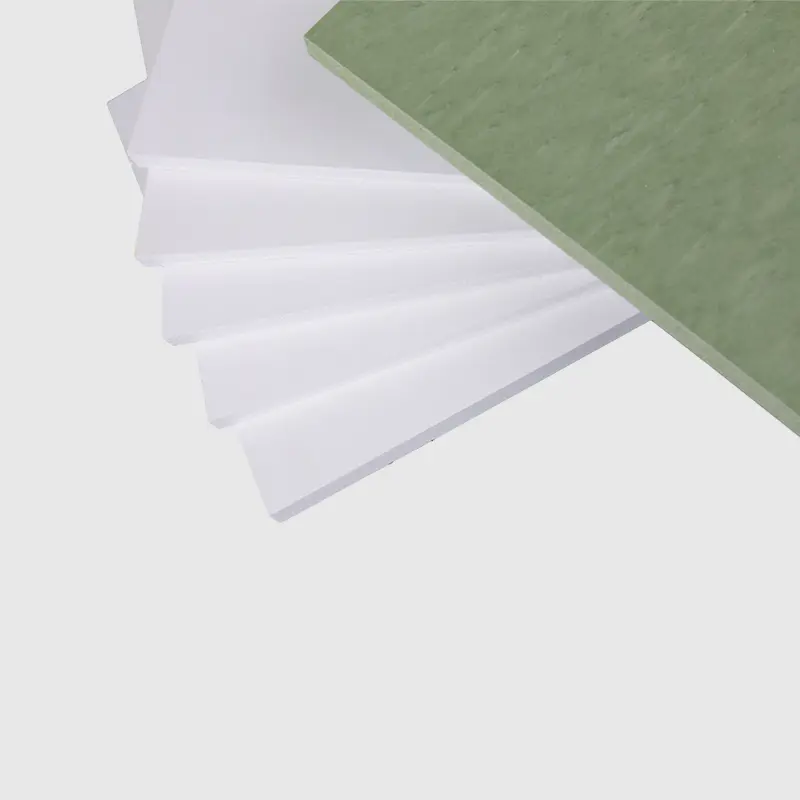
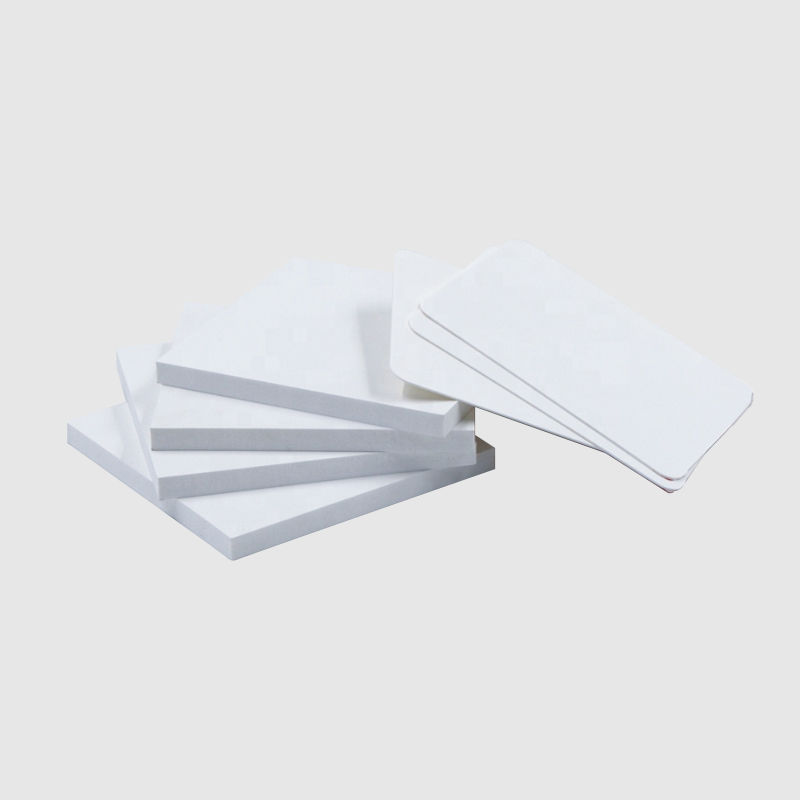
PVC foam board starts as PVC resin blended with foaming agents and processing additives, then extruded into a closed-cell structure that traps air without opening a path for water. The result is a rigid sheet that weighs a fraction of solid PVC or plywood while still holding screws, taking paint, and machining cleanly.
LowDensity vs solid PVC or wood
0Water absorption into the core
3Board structures to choose from
The Three Board Structures
Not every PVC foam board is built the same way, and the internal structure determines how it should be used.
Free Foam
Uniform lightweight core with a smooth surface — the standard choice for advertising boards and display panels.
Celuka
Denser outer skin over a foamed core, giving it better rigidity and impact resistance for furniture and cabinetry.
Co-Extruded
Multi-layer construction that boosts surface durability for demanding interior and exterior applications.
PVC Foam Board vs Wood, Metal, and Acrylic
| Property | PVC Foam Board | Wood | Metal Sheet | Acrylic |
| Weight | Lightweight | Medium | Heavy | Lightweight |
| Water resistance | Excellent | Poor | Good | Excellent |
| Processing | Easy | Easy | Difficult | Moderate |
| Surface printing | Excellent | Moderate | Limited | Excellent |
”
A panel that never swells in a humid bathroom and still cuts as easily as plywood is why fabricators keep reaching for PVC foam board over wood.
Where PVC Foam Board Gets Used
-
Advertising and display — signboards, POP displays, and exhibition panels that need to print cleanly and mount light.
-
Furniture and interiors — cabinets, bathroom furniture, and wall panels that face daily moisture exposure.
-
Construction — wall decoration, ceiling panels, and partition systems needing low maintenance.
-
Marine and outdoor — boat interiors and outdoor structures where water resistance is non-negotiable.
How PVC Foam Board Is Manufactured
PVC resin is compounded with foaming agents, stabilizers, and lubricants, then mixed until the formulation is uniform. Extrusion heats the compound and forms the closed-cell structure while controlling thickness and sheet size. Surface treatment — sanding, lamination, printing, or embossing — follows, and every batch is checked for thickness accuracy, density consistency, and water resistance before it ships.
Choosing the Right Board for Your Project
- Match board structure to load and rigidity needs — Celuka or co-extruded for higher demands
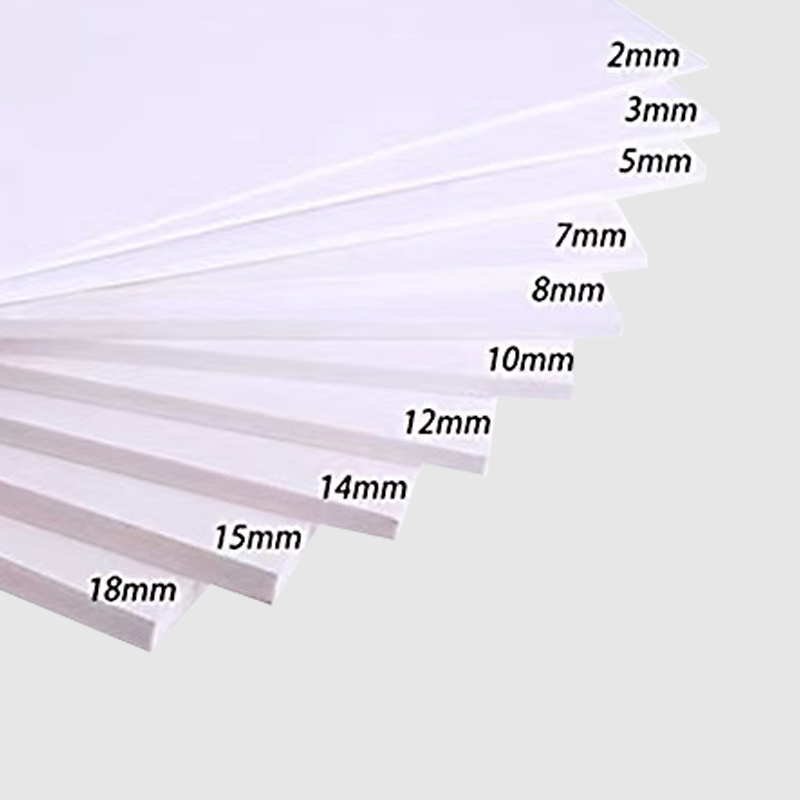
- Select thickness and density based on indoor vs outdoor exposure
- Confirm surface treatment compatibility with printing, lamination, or paint
- Check supplier consistency on custom sizes and quality control
Frequently Asked Questions
Is PVC foam board suitable for bathrooms and kitchens?
Yes. Its closed-cell structure resists water absorption, making it a reliable choice for humid environments where wood-based panels would swell or rot.
Which board type is best for furniture manufacturing?
Celuka PVC foam board is generally preferred for cabinets and furniture because its denser surface layer improves rigidity and impact resistance.
Can PVC foam board be printed on directly?
Yes. Its smooth surface supports digital printing, painting, and laminating, which is why it's widely used for signage and display applications.
How does PVC foam board compare to acrylic sheet on cost?
PVC foam board is generally more economical while offering comparable water resistance and printability, though acrylic can provide greater optical clarity.
From advertising displays to bathroom cabinetry, PVC foam board keeps replacing wood, metal, and acrylic wherever lightweight strength, water resistance, and easy fabrication all matter at once.
 |
 |
Recommended NEWS:
PVC Free Foam Board's multiple applications and environmental advantages in the field of transportation
Laminated PVC Foam Board has the advantages of being moisture-proof and water-resistant compared to other materials
White Laminated PVC Free Foam Boards: Environmentally friendly and sustainable production
Application of White High-Tech PVC Plastic Foam Sheets in Advertising and Exhibition Display
In public facility construction and home decoration, how does Waterproof PVC Celuka Foam Sheets meet the dual needs of waterproofing and sound insulation?
The price of PVC Foam Board is affected by the cost of raw materials
Related Products
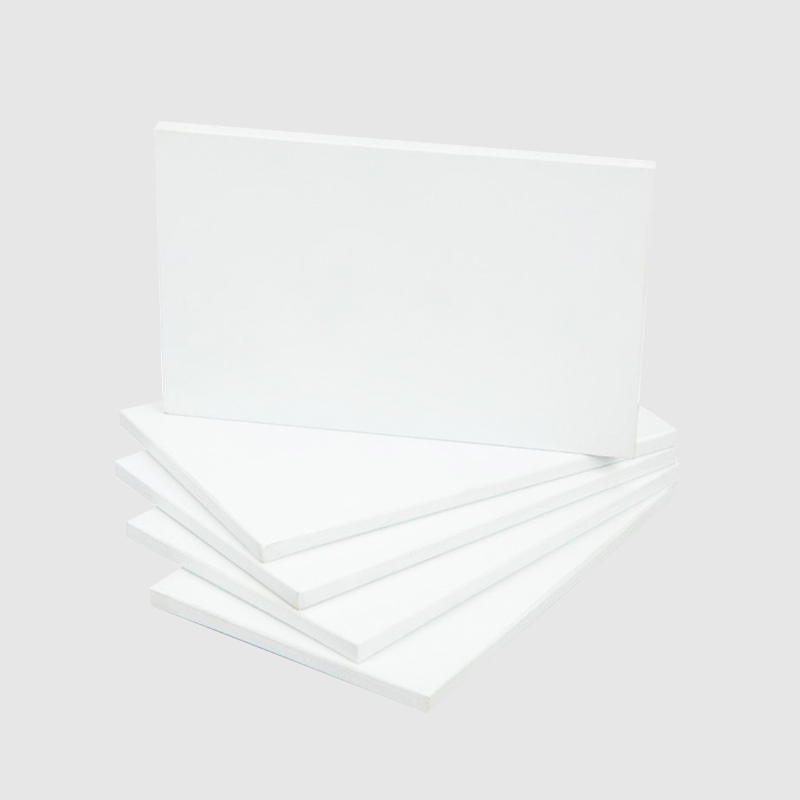
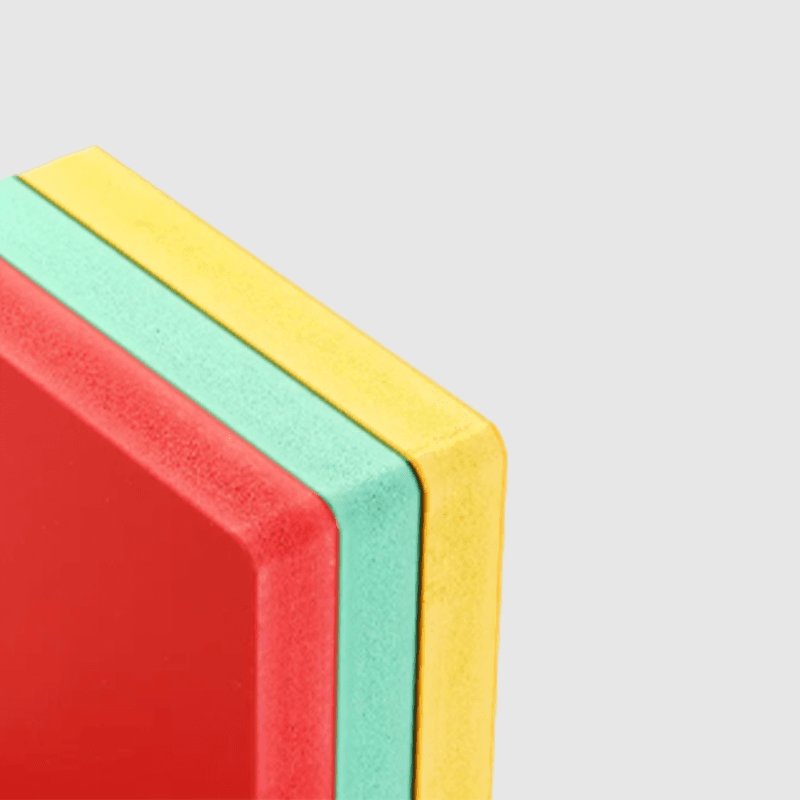
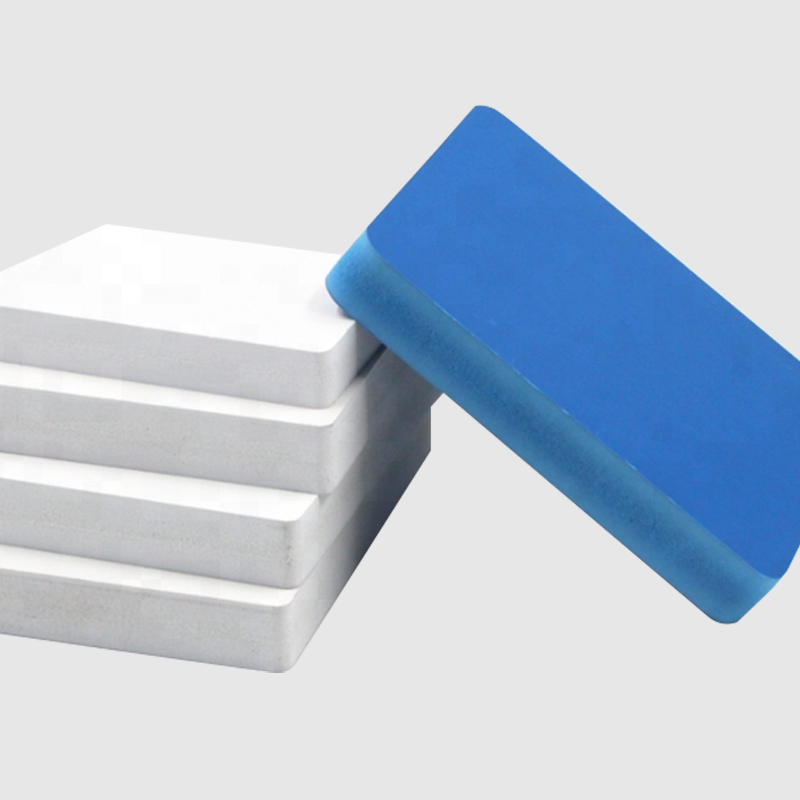
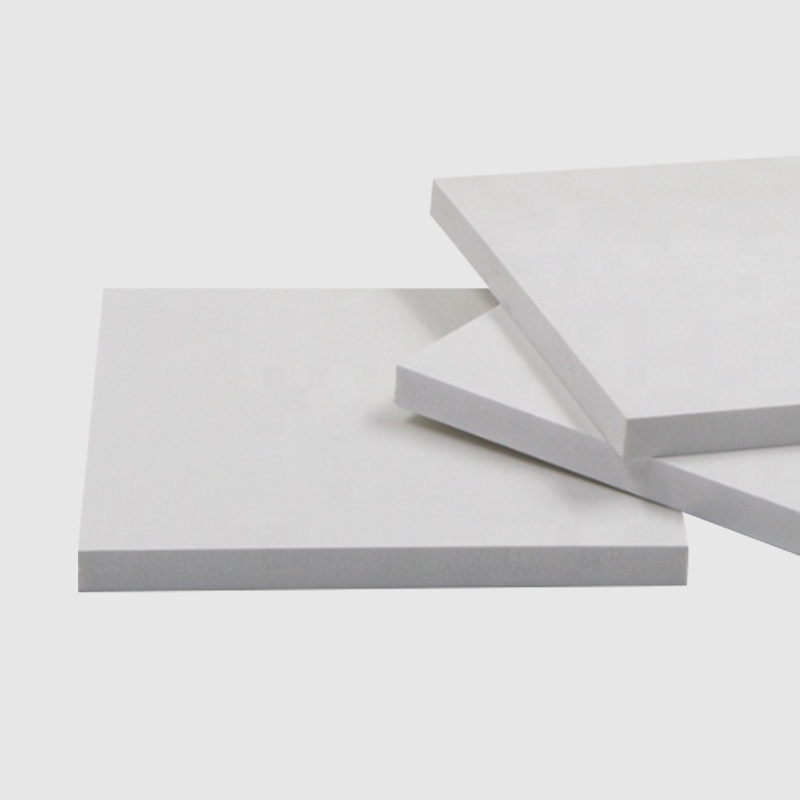

Jiatao Industry Co., Ltd. is a professional manufacturer of polyvinyl chloride plastic boards in China, dedicated to the production of PVC foam boards, plastic wood foamboards, as well as colorful pVC for extruded foam board sheet manufacturers.
-
ADDRESS
No.65 Liminba, Yinong Town, Xiaoshan District, Hangzhou, Zhejiang, China
-
EMAIL
-
PHONE
+86-17816178586
MOBILE SITE



Copyright © Jiatao Industry Co., Ltd. All Rights Reserved.
Custom Rigid PVC Plastic Foam Boards Suppliers

Contact Us