

 English
 Español
 عربى
عربى
Home / News / Industry News / Why Designers Choose PVC Celuka Foam Board: Surface, Stiffness & Value
Why Designers Choose PVC Celuka Foam Board: Surface, Stiffness & Value
Article Directory
A designer ordering 300 sheets of 10mm white PVC board in the standard 1220×2440mm format is told that the Celuka grade costs more than free-foam. The first question is always the same: what does the extra money actually buy? With PVC Celuka foam board, the answer is a hard outer skin that prints, routes, and edge-treats cleanly, without the open-cell surface that free-foam board leaves behind after CNC cutting.
Here is the conclusion up front: designers choose PVC Celuka foam board when a project needs a rigid, lightweight PVC sheet with a smooth integral skin and predictable machining behaviour, without paying the premium of co-extruded grades. This article explains how the Celuka structure is created, why it changes finishing and long-term performance, and what to verify before you commit to a supplier.
What Makes a Celuka Board Different
The process behind the dense skin
Celuka board is produced by extruding PVC foam through a die in which the outer surfaces are cooled faster than the core. The outer layers solidify into a compact, high-density skin, while the interior continues to foam into a cellular structure. Because this skin is formed from the same material as the core, it is an integral part of the board, not a laminated film that can peel or delaminate.
Closed cells and what they mean in service
The core consists mainly of closed cells that resist moisture absorption. When a cut edge is exposed to water or high humidity, a Celuka board absorbs noticeably less moisture than a free-foam equivalent. In practical terms, this means less edge swelling, less bowing, and a longer service life in kitchens, bathrooms, outdoor signage, and exhibition spaces with frequent temperature swings. The same closed-cell structure contributes modest thermal insulation and sound damping, which is why Celuka board also appears in room dividers, ceiling panels, and interior wall cladding.
Why Designers Keep Specifying It
Surface quality for printing and finishing
UV printing, screen printing, spray painting, and lamination all require a smooth, pore-free surface. The Celuka skin delivers that consistency. Ink coverage is more uniform, paint does not sink into the foam structure, and the finished panel looks closer to a solid sheet than a foam product. With free-foam board, larger cells near the surface can appear as pinholes after printing or painting, which means rework on a job that was already quoted.
Stiffness without the weight
The dense skin contributes disproportionately to flexural stiffness. Like the flange of an I-beam, a solid skin at the faces of the board resists bending far more effectively than the same material distributed evenly through the thickness. A Celuka sheet of equal thickness and overall density therefore resists deflection better than free-foam board. Designers use this to simplify structure: at 15–19mm, Celuka sheet can act as a structural panel in cabinet carcasses and furniture, reducing the need for additional bracing.
Dimensional stability in humid conditions
The closed-cell core and the hard skin limit moisture movement in both directions. Designers who have seen free-foam boards bow or swell after a humid season tend to switch to Celuka for shower surrounds, kitchen cabinetry, and exterior sign faces. The skin also slows the surface erosion that open-cell boards suffer after prolonged sun exposure, which matters for outdoor-facing panels. The measurable difference is lower water absorption and better flatness across large panel sizes, which matters when a 1220×2440mm sheet is installed as one continuous surface.
Fire retardancy for commercial interiors
Public interiors and commercial fit-outs often require materials that comply with local fire codes. PVC Celuka foam board is available in fire-retardant formulations designed to pass the tests used in building and exhibition applications. Because ratings vary between grades and suppliers, the specific standard should be confirmed with the manufacturer before specification, not assumed from a generic datasheet.
Clean machining and clean edges
Routing, CNC cutting, sawing, and V-grooving all behave better on Celuka board. The dense skin prevents tearing, and the fine cell structure produces a cut face that needs little secondary finishing. For designers who detail exposed edges, this saves a production step and delivers a consistent result across a large batch of panels. It also reduces waste from damaged edges during handling.
Thickness and Density: A Designers' Field Guide
Thickness governs stiffness; density governs surface hardness, screw-holding, and cost. For vertical decorative panels, a lower density keeps the budget under control. For furniture edges that face heavy handling, and for doors that carry hinges and hardware, a higher density is the safer call.
| Thickness | Typical density | Typical design use |
|---|---|---|
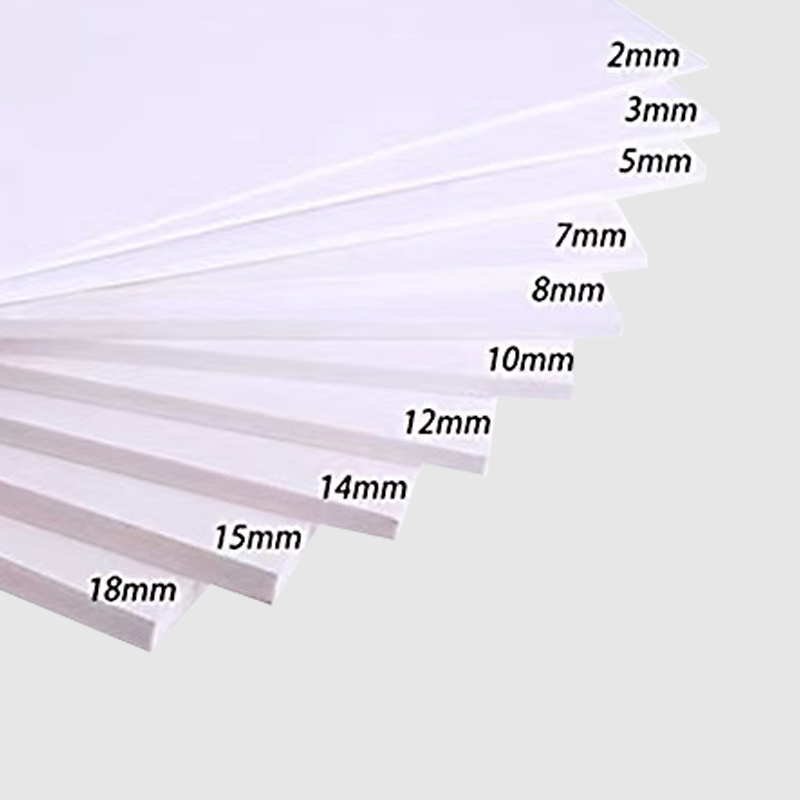
| 3–5 mm | 0.5–0.7 g/cm³ | Display graphics, light signage, model making |
| 8–10 mm | 0.6–0.8 g/cm³ | Exhibition stands, wall cladding, sign faces |
| 12–15 mm | 0.6–0.8 g/cm³ | Furniture carcasses, cabinet doors, shelving |
| 18–20 mm | 0.7–0.9 g/cm³ | Structural furniture panels, worktops, heavy shelving |
For most display and furniture specifications, our high-density Celuka sheets from 3mm to 12mm cover the common range. Thicker boards step into structural roles where the designer needs load-bearing performance and reliable screw retention.
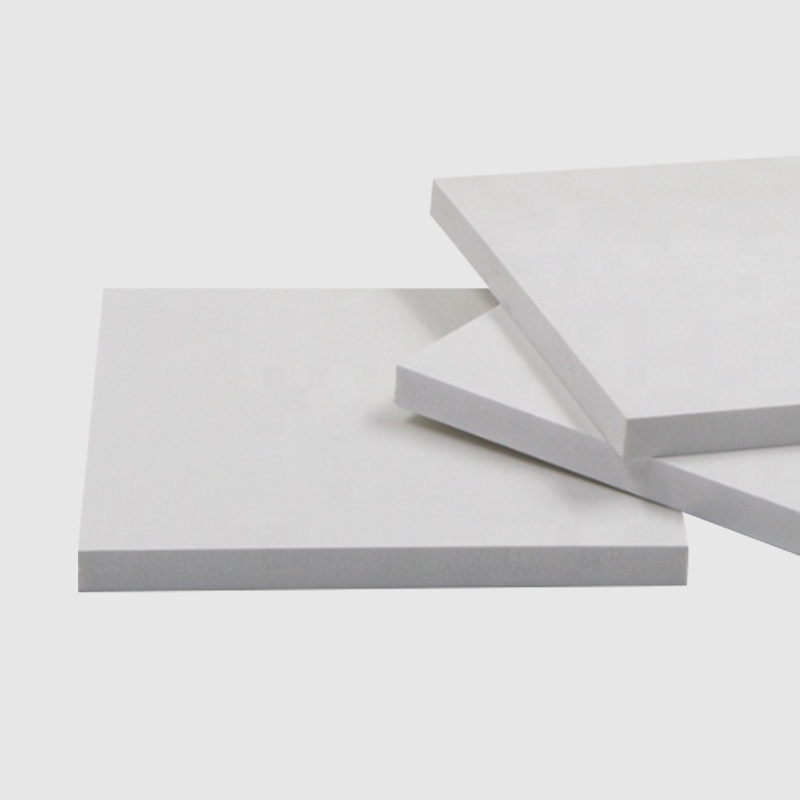
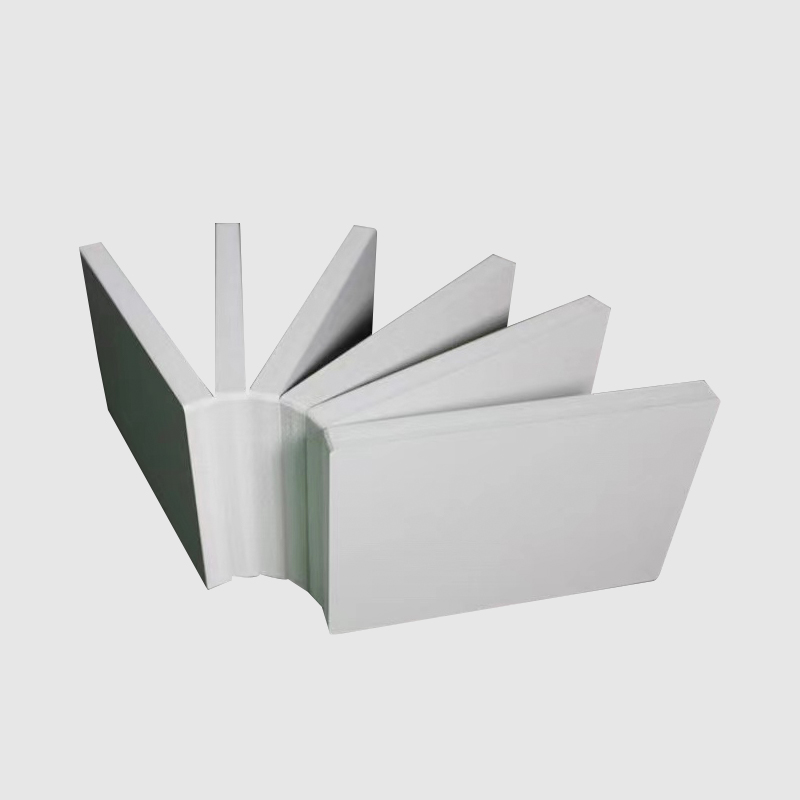 Wholesale OEM/ODM 4x8 feet high density 3mm 5mm 12mm rigid sheets celuca large pOffer Wholesale 4x8 feet high density 3mm 5mm 12mm rigid sheets celuca large pvc foam board, Jiatao Industrial Co., Ltd is China OEM/ODM ...View Product →
Celuka Versus Free-Foam and Co-Extruded Boards
Celuka versus free-foam
Free-foam board has a uniform cellular structure with a softer surface. It is cheaper and lighter, but the surface reveals the foamed structure and absorbs more finish. Celuka wins wherever the surface is printed, painted, or laminated. Free-foam remains a sensible choice for internal cores, temporary displays, and applications where the surface will be covered anyway.
Celuka versus co-extruded
Co-extruded board adds a separate solid cap layer during extrusion, which gives the smoothest surface and the highest hardness, at a higher cost. Celuka sits between the two: close to co-extruded surface quality without the same price premium. For most indoor design work, including furniture, doors, and interior fit-outs, Celuka is the practical balance. For high-wear surfaces and demanding printing jobs, co-extrusion is the upgrade path, and our co-extruded vs Celuka outdoor durability comparison helps decide when that upgrade is justified.
For furniture and cabinet doors, a rigid-surface Celuka board from 3mm to 17mm provides the screw-holding and edge quality that cabinet hardware requires, in a waterproof and recyclable format. Compared with plywood or MDF, it also offers consistent waterproof behaviour and a homogeneous structure that will not crack or delaminate at the edges.
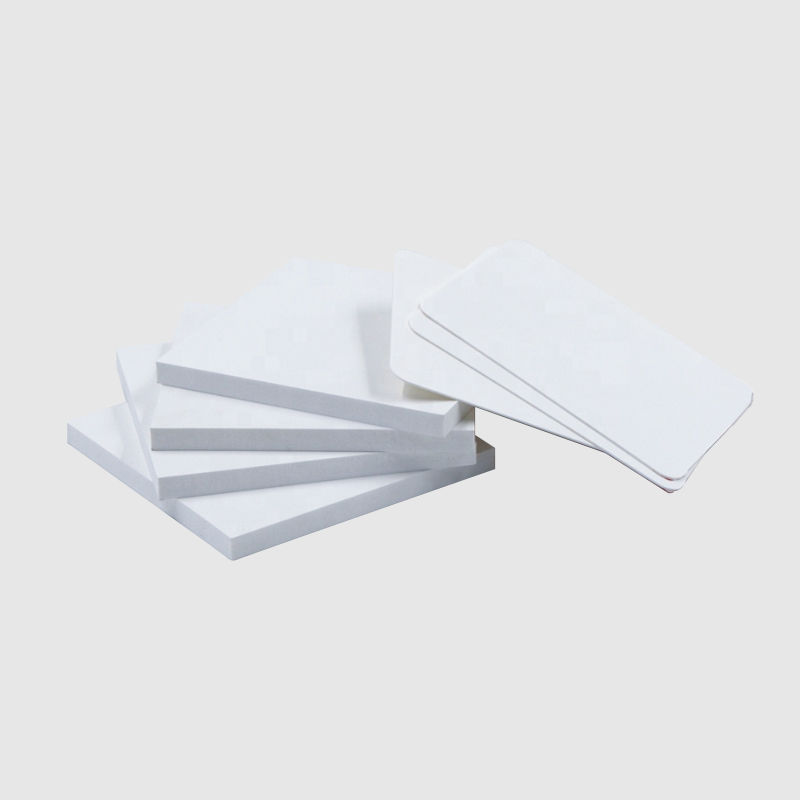
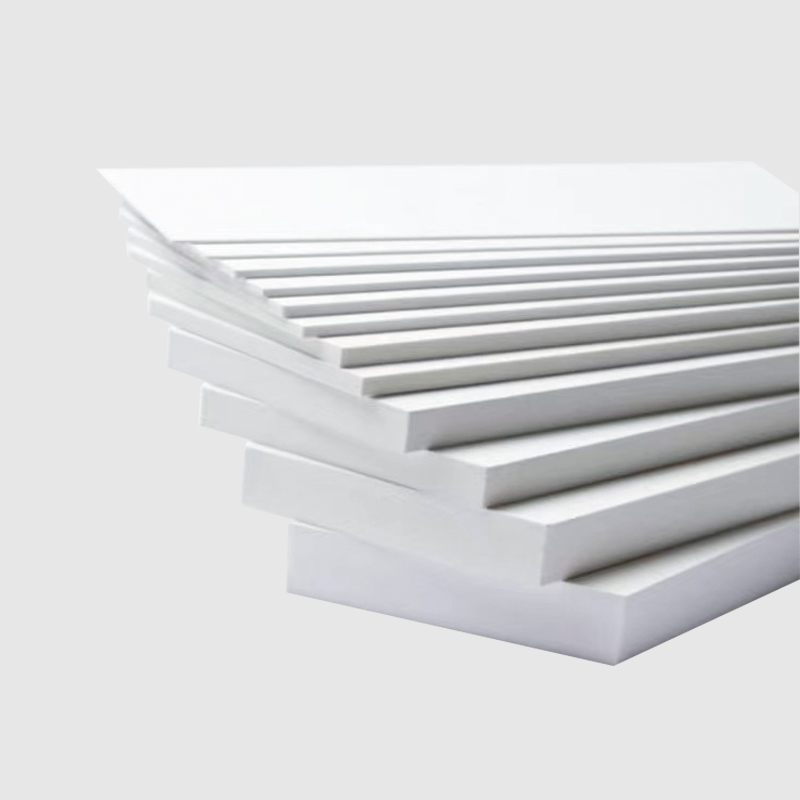 Wholesale OEM/ODM Pvc foam board celuka sheet rigid surface high density 3mm-17mOffer Wholesale Pvc foam board celuka sheet rigid surface high density 3mm-17mm furniture application water proof pvc board white color r...View Product →
What Designers Should Verify Before Buying
The Celuka claim is easy to make and not always true in practice. Some inexpensive sheets are simply dense free-foam board without a genuine integral skin. When evaluating a supplier, check these points:
- Cut a sample and inspect the edge: a real Celuka board shows a visible compacted skin over a fine, uniform cellular core.
- Confirm density consistency across sheets and batches; inconsistent density causes variable machining behaviour and finishing.
- Ask for lead-free and REACH statements, or SGS test reports covering the exact grade you intend to buy.
- Check flatness on large sheets; a board that bows in storage will not flatten after installation.
For a deeper look at the material, our guide to PVC Celuka foam board properties and quality checks covers common defects and how they are prevented, and this review of how density affects strength, rigidity, and insulation explains what the specification sheet actually means in service.
The Bottom Line for Designers
PVC Celuka foam board is a purchasing decision as much as a design decision. The skin provides print-ready surface quality, the core provides dimensional stability, and the overall structure behaves predictably under CNC routing, paint, and humidity. Free-foam board will occasionally meet the brief at a lower price, but when the surface is the product, in retail displays, furniture doors, exhibition walls, and signage, designers keep returning to Celuka. For heavier structural panels, our high-density 20mm Celuka sheets offer the rigidity that shelving and furniture frames demand.
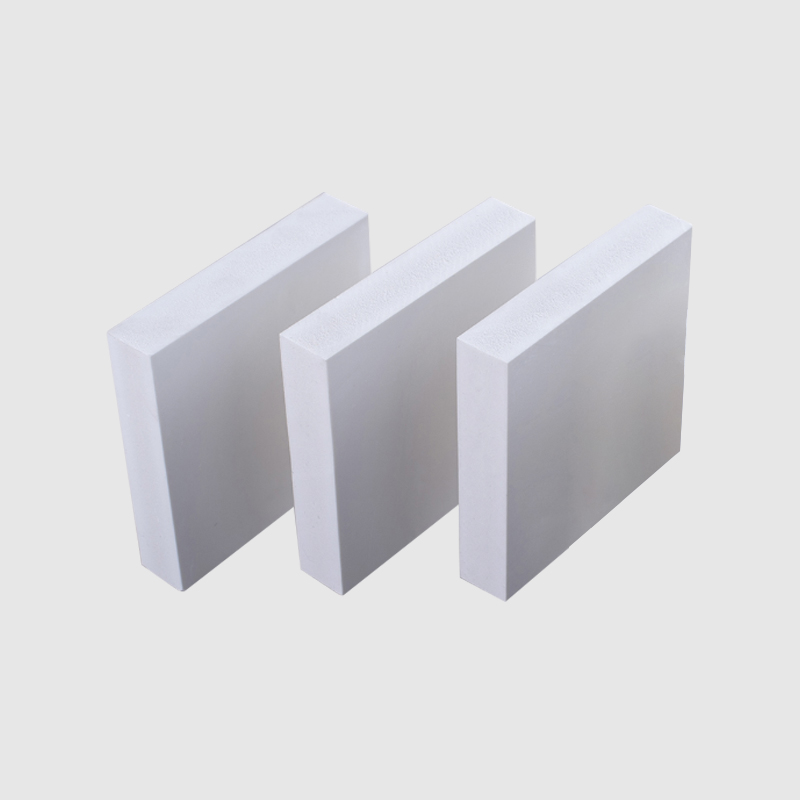 Wholesale OEM/ODM High density rigid white plastic 4x8ft 20mmplastic forex celukOffer Wholesale High density rigid white plastic 4x8ft 20mmplastic forex celuka free pvc foam sheet board, Jiatao Industrial Co., Ltd is ...View Product →
Recommended NEWS:
PVC Free Foam Board's multiple applications and environmental advantages in the field of transportation
How to deal with board deformation during the production process of PVC Celuka Board?
Moisture-proof and waterproof properties of PVC Celuka Board
What environmental measures are used in the production of White Laminated PVC Free Foam Boards?
White Laminated PVC Free Foam Boards: Environmentally friendly and sustainable production
Why does this PVC foam board offer different thickness options from 3mm to 18mm?
Related Products
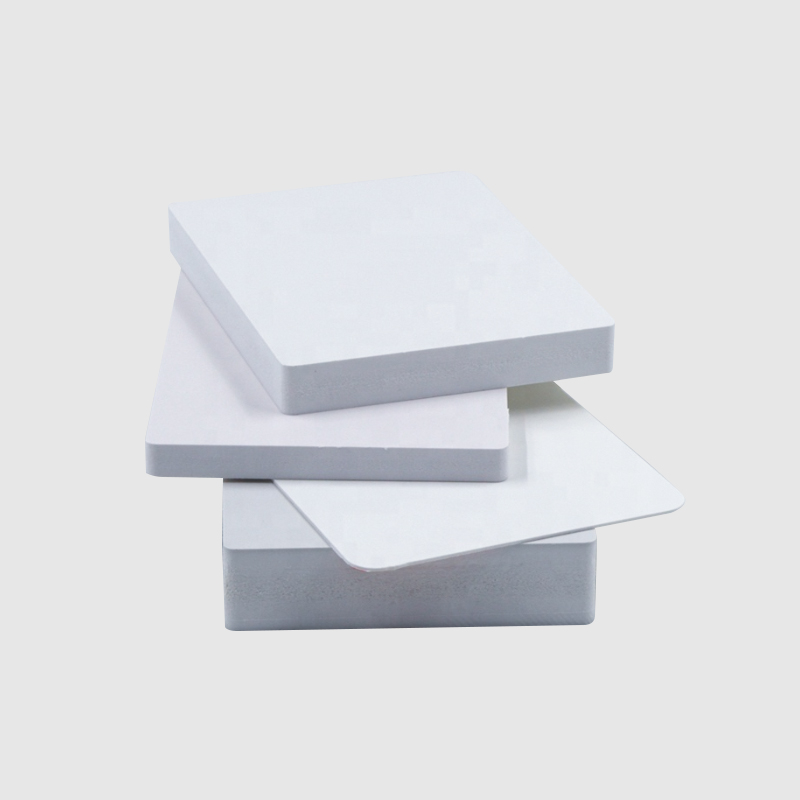
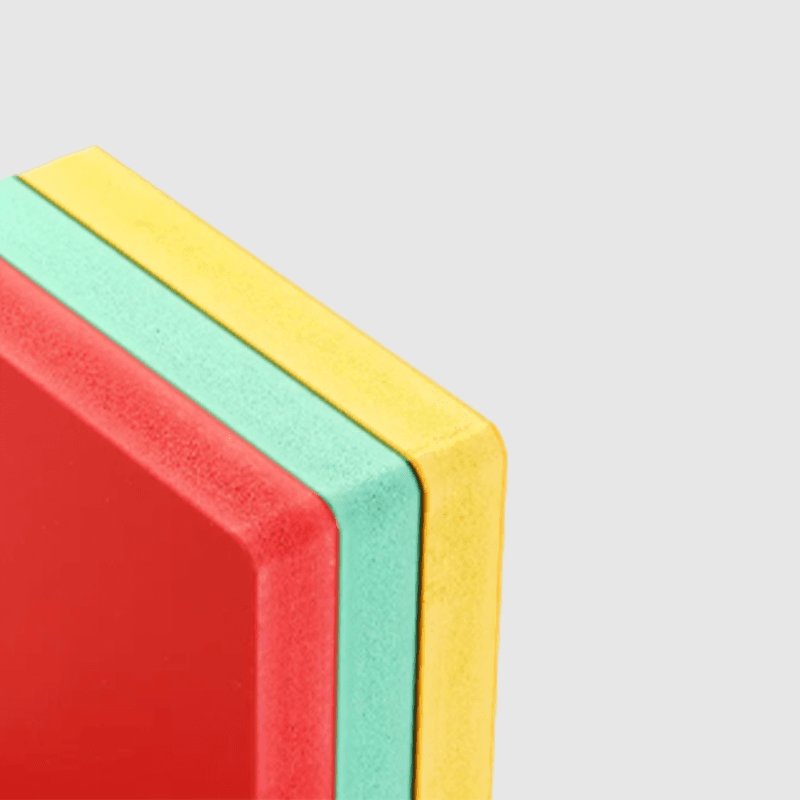
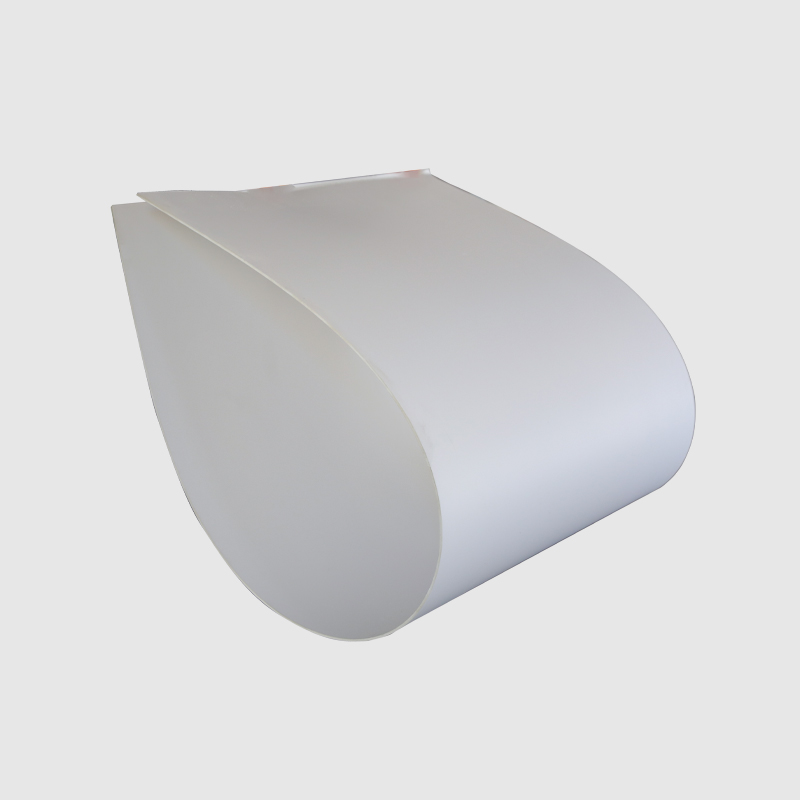
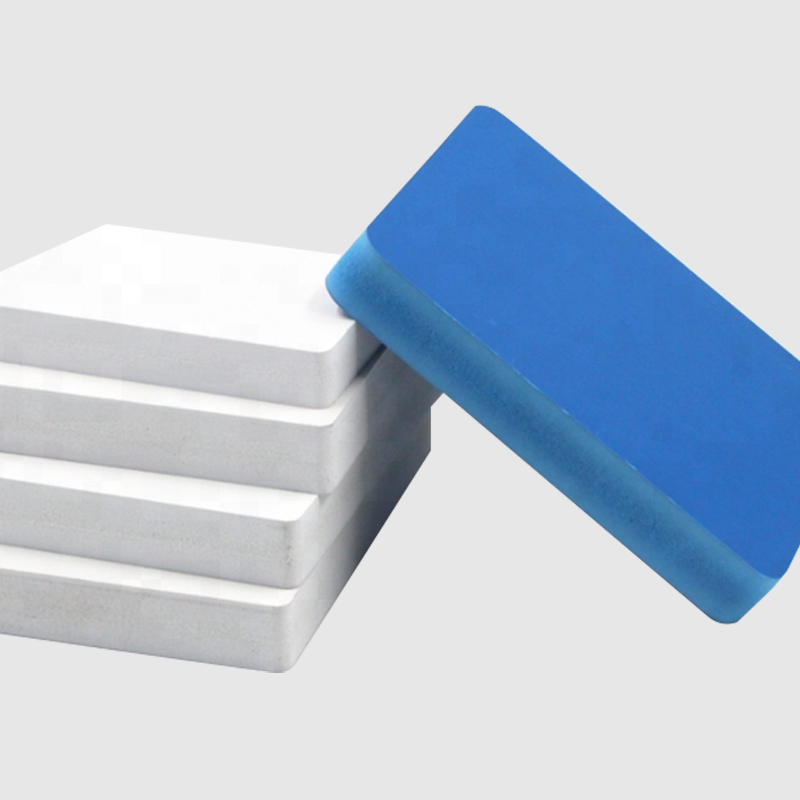

Jiatao Industry Co., Ltd. is a professional manufacturer of polyvinyl chloride plastic boards in China, dedicated to the production of PVC foam boards, plastic wood foamboards, as well as colorful pVC for extruded foam board sheet manufacturers.
-
ADDRESS
No.65 Liminba, Yinong Town, Xiaoshan District, Hangzhou, Zhejiang, China
-
EMAIL
-
PHONE
+86-17816178586
MOBILE SITE



Copyright © Jiatao Industry Co., Ltd. All Rights Reserved.
Custom Rigid PVC Plastic Foam Boards Suppliers

Contact Us