

 English
 Español
 عربى
عربى
Home / News / Industry News / Custom PVC Celuka Foam Sheet Solutions by Application | Jiatao Industrial
Custom PVC Celuka Foam Sheet Solutions by Application | Jiatao Industrial
Article Directory
- 1 Dense skin, foamed core: what separates Celuka from free-foam PVC
- 2 Customization starts with application requirements
- 3 Application-matched Celuka solutions
- 4 Density controls how the sheet cuts, prints, and holds
- 5 Quality checks that separate reliable custom runs from rejects
- 6 Process control at the supplier decides your yield
Dense skin, foamed core: what separates Celuka from free-foam PVC
When a CNC router is cutting a 19 mm PVC Celuka sheet into cabinet door panels, it is not just cutting plastic. The tool passes through a dense outer skin, then a cellular core, and the edge quality, tool wear, and dimensional stability of the finished panel depend on how uniform that skin-to-core structure is. A UV printer laying ink on a 5 mm signboard, or a fit-out crew fixing 16 mm moisture-resistant panels to a bathroom wall, is working with the same material family but demanding very different performance. That is why custom PVC Celuka foam sheet solutions are not a marketing phrase but a specification exercise that starts with the application.
PVC Celuka foam sheet is produced by the Celuka extrusion process: molten PVC leaves the die and passes through a cooled sizing sleeve, which rapidly freezes the outer surface while the inner material continues to foam. The result is a rigid, smooth, high-density skin bonded to a lower-density cellular core. Compared with free-foam PVC board, Celuka offers a harder surface, better rigidity per unit weight, and a closed-cell structure that resists moisture penetration. The practical consequence is simple: choose thickness and density for the mechanical loads, then verify surface finish for printing or bonding, and then confirm dimensional stability and compliance for the destination market.
Customization starts with application requirements
A Celuka sheet can be adjusted across multiple parameters at the extrusion line, and each adjustment changes how the board behaves in production and in service. The table below summarizes the ranges most frequently specified in industrial buying decisions.
| Parameter | Typical range | What it affects |
|---|---|---|
| Thickness | 3 to 20 mm | Rigidity, weight, joint strength, freight cost per sheet |
| Density | 0.4 to 0.9 g/cm³ | Screw-holding, impact resistance, printing flatness, thermal insulation |
| Sheet size | 1220×2440 mm, 2050×3050 mm, custom | Material utilization, machining layout, panel yield |
| Surface finish | Matte, smooth gloss, embossed, wood grain | UV ink adhesion, cleaning, final aesthetics |
| Color | White, black, grey, colored, wood pattern | Print base, decorative use, matching surrounding materials |
Two boards with the same thickness can still differ by 30 to 40 percent in weight, which changes handling, shipping cost, and the perceived solidity of a 15 mm panel under load. That is why an inquiry with a supplier should begin with the application, not with a nominal size. A 10 mm board specified for a printed display panel and a 10 mm board specified for a cabinet door are, in practice, two different products.
Beyond these five parameters, the same tooling can produce boards with modified formulations: UV-stable grades for outdoor signage, flame-retardant grades for commercial interiors, and recycled-content or virgin-material grades for buyers who must document the environmental footprint of their supply chain. The formulation often defines the price more than the dimensions do.
Application-matched Celuka solutions
Advertising and signage
Signage is the most demanding application for surface quality. UV inks require a clean, closed surface with consistent surface tension; routing and V-cutting require a uniformly foamed core so that engraved edges do not show voids. Boards in the 3 to 5 mm range at medium-to-high density keep their flatness during printing and remain dimensionally stable when the sign is later subjected to heat and humidity. For print shops that run both screen and UV-digital processes, a smooth matte finish is usually preferred because it offers predictable ink lay-down and low glare.
For display panels, exhibition graphics, and interior wayfinding, a Celuka board suitable for signage, display, and printing can be supplied with tight thickness tolerance and consistent skin density so that the printed surface is uniform from sheet to sheet.
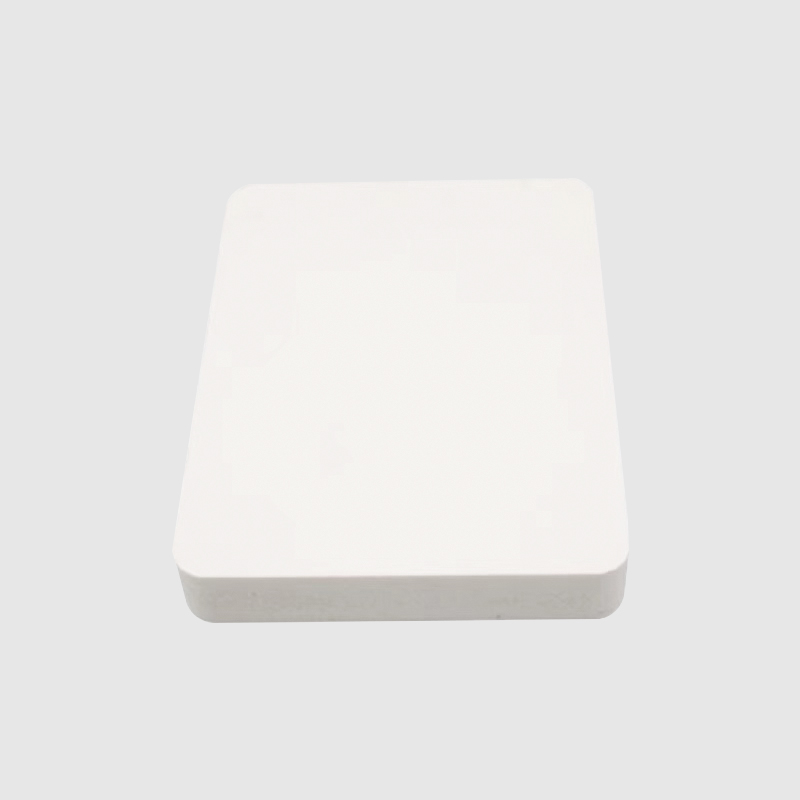 Wholesale OEM/ODM Pvc foam board sintra pvc sheet forex pvc celuka board SupplieOffer Wholesale Pvc foam board sintra pvc sheet forex pvc celuka board, Jiatao Industrial Co., Ltd is China OEM/ODM Pvc foam board sintra...View Product →
Furniture and cabinet making
Furniture manufacturing places a different set of priorities on Celuka sheet. In kitchens, bathrooms, and laundry rooms, moisture resistance is the primary reason to move from wood-based panels to PVC. The closed-cell core limits water uptake at cut edges, while the dense skin allows hinges and cam fittings to hold without tearing. For cabinet carcasses and door panels, thicknesses from 10 to 20 mm are common, with density selected according to the screw-holding requirement and the weight limit of the cabinet structure.
Fire performance is also part of the specification for commercial furniture. Flame-retardant formulations that meet typical building requirements are available, and for export orders to Europe or North America, lead-free and low-VOC formulations are increasingly a condition of supply. Waterproof and fire-retardant Celuka panels for furniture applications are produced in the 11 to 18 mm range and can be cut, routed, and edged with standard woodworking tooling.
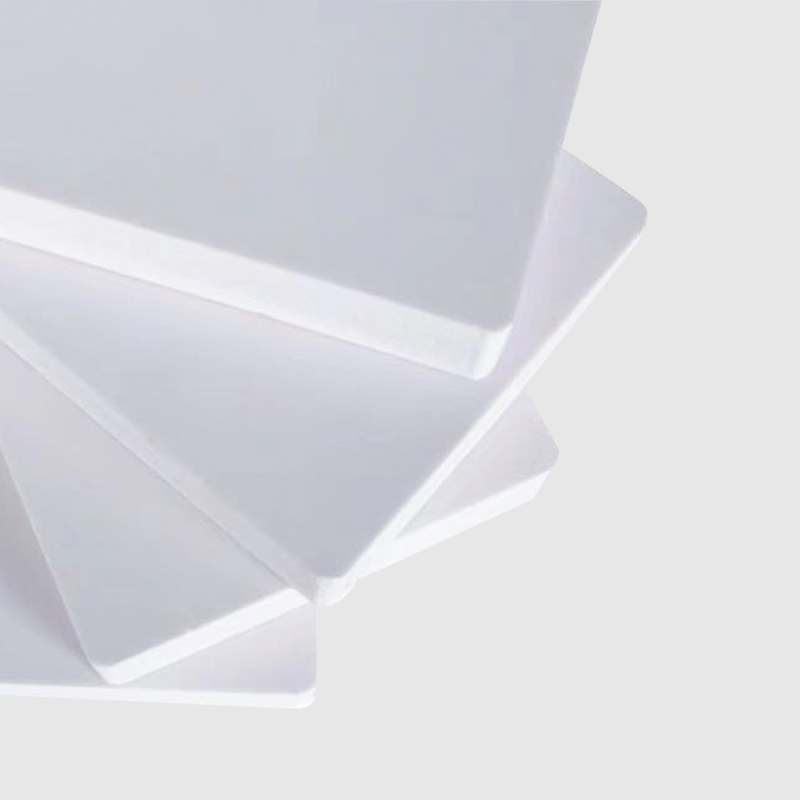 Wholesale OEM/ODM White 11mm 15mm 18mm waterproof and fireproof foam pvc boards Offer Wholesale White 11mm 15mm 18mm waterproof and fireproof foam pvc boards for furniture, Jiatao Industrial Co., Ltd is China OEM/ODM ...View Product →
Construction and interior fit-out
Construction use moves the focus from printing and machining to long-term dimensional stability. Wall panels, ceiling tiles, partition boards, and decorative cladding are exposed to temperature swings, condensation, and in some cases direct water. Celuka boards with a dense surface and low water absorption do not swell or delaminate as some wood-based panels do, and their low weight simplifies installation on vertical surfaces.
For interior fit-out projects where visible surface quality matters, colored or wood-grain Celuka panels eliminate a separate painting or lamination step. Boards in the 12 to 16 mm range offer sufficient rigidity for free-standing partitions and shower linings, while remaining easy to work with on site. Celuka boards for building and interior construction applications in 12, 14, and 16 mm thicknesses provide a stable substrate for wall and partition systems.
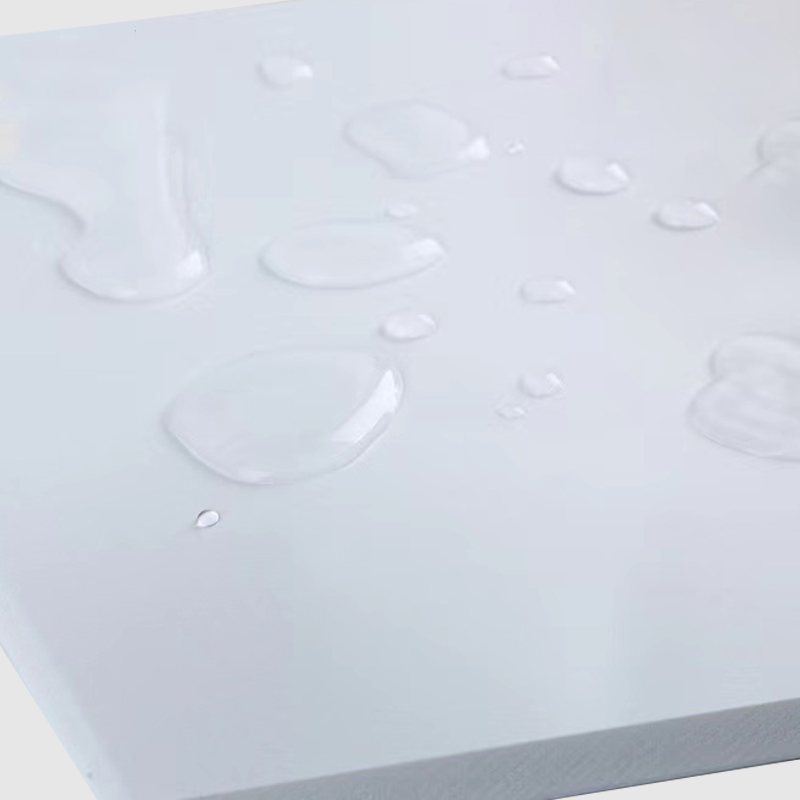 Wholesale OEM/ODM White celuka board with 12mm 14mm 16mm use for building SuppliOffer Wholesale White celuka board with 12mm 14mm 16mm use for building, Jiatao Industrial Co., Ltd is China OEM/ODM White celuka board w...View Product →
Density controls how the sheet cuts, prints, and holds
Of all the customization variables, density deserves the closest attention because it directly controls strength, rigidity, and thermal insulation. In the Celuka structure, the dense skin carries most of the bending load, while the foamed core contributes thickness, insulation, and weight reduction. A low-density sheet cuts quickly and is cheap to transport, but it will compress under a clamp, will not hold a hinge screw reliably, and may show a wavy surface after large-format printing. A high-density sheet behaves more like solid PVC: clean routed edges, strong screw retention, and stable dimensions, at the cost of higher weight and price.
The way density range affects strength, rigidity, and thermal insulation is most visible in CNC processing. Low-density material produces a soft edge that may require sanding; medium-density material gives the cleanest balance between feed rate and edge finish; high-density material extends tool life but demands a slower feed and proper chip clearance. In practical terms, a 0.40 g/cm³ sheet is roughly 40 percent lighter than a 0.65 g/cm³ sheet of the same thickness. That difference is attractive for freight and wall-cladding budgets, but it also changes how the panel behaves when a heavy door hinge is fastened through the skin.
For this reason, specifying density without tolerances is a common sourcing mistake. A nominal 0.55 g/cm³ sheet that actually varies between 0.50 and 0.60 g/cm³ across the width will produce inconsistent results in highly automated lines.
Quality checks that separate reliable custom runs from rejects
Custom Celuka orders are usually repeated orders, and the cost of inconsistency appears downstream: failed prints, broken cutters, hinge pull-outs, and warranty claims. The checks below are worth requesting from the manufacturer before production begins.
- Cross-section skin thickness and uniformity across the full sheet width.
- Density measurement per batch, with the same method used for every shipment.
- Dimensional tolerance after cooling, especially for thickness and squareness.
- Lead-free compliance and REACH or RoHS documentation for export markets.
- SGS test reports for mechanical and fire performance when required by your customer.
A manufacturer with a documented production and quality-control process for custom Celuka boards will normally provide these records as part of the quotation. If a supplier cannot state the density tolerance or the skin-thickness range in writing, that ambiguity will eventually reach your production line. Ask for a sample cross-section cut from the finished board, not from a lab sample. In a production run of several hundred sheets, the risk area is the middle of the batch, where line temperature and screw speed can drift. Consistent density readings across the width and down the length of the board are the best indicator of whether the supplier is controlling the process or merely inspecting the output. For a more complete reference, the properties, uses, and quality guide for PVC Celuka foam board summarizes what to verify and how it relates to each application group.
Process control at the supplier decides your yield
The practical difference between a good and a poor Celuka supplier shows up in consistency, not just price. Our production facilities are built around advanced extrusion lines with precision cooling and curing stages, and we maintain an annual capacity of more than 25,000 tons across our PVC foam board range. With more than 15 years of experience, 11,000 m² of factory space, over 1,000 completed project cases, and a customer base that includes more than 10 Fortune 500 companies, we regularly deliver custom specifications to export markets such as the United States, Germany, Japan, the United Kingdom, Australia, and Canada.
The right Celuka solution is the one that matches density, thickness, surface, and compliance data to the mechanics of your application. When the manufacturing process is controlled at every stage, the board you approve at sampling is the board that performs in production. That consistency, more than any single parameter, is what makes a custom PVC Celuka foam sheet solution reliable across repeat orders.
Recommended NEWS:
Application of White High-Tech PVC Plastic Foam Sheets in Advertising and Exhibition Display
In public facility construction and home decoration, how does Waterproof PVC Celuka Foam Sheets meet the dual needs of waterproofing and sound insulation?
Custom Laminated PVC Foam Board: A versatile material with excellent waterproof performance
PVC Free Foam Board's multiple applications and environmental advantages in the field of transportation
Fireproofing of Custom Laminated PVC Foam Boards
The price of PVC Foam Board is affected by the cost of raw materials
Related Products
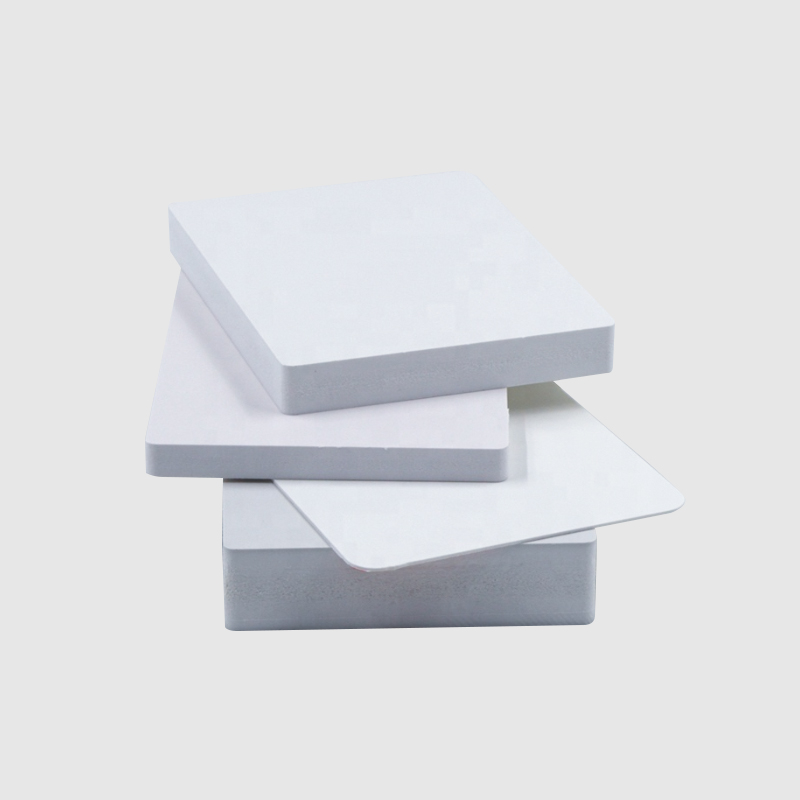
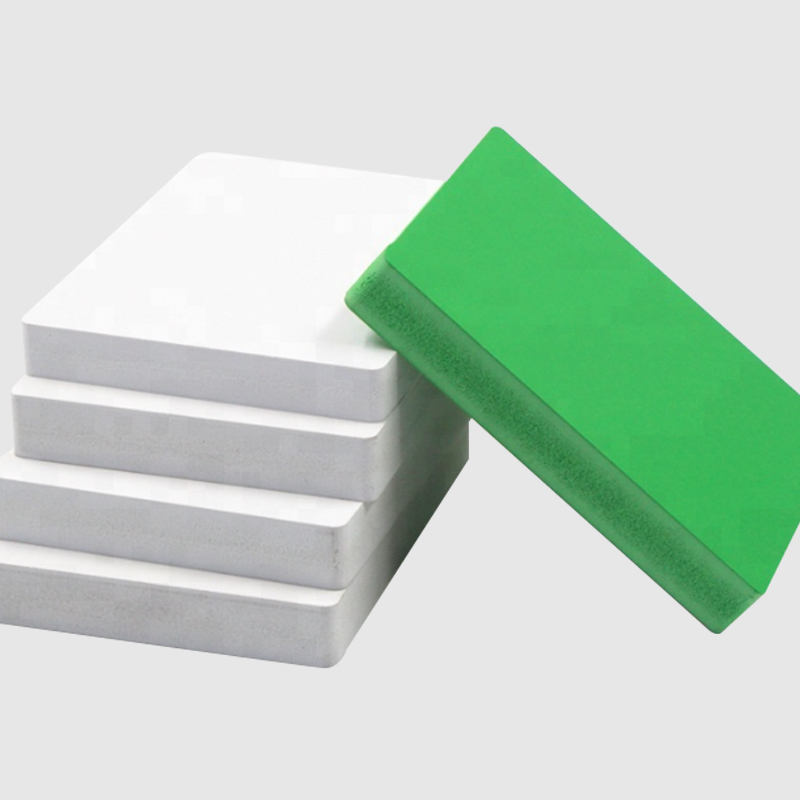
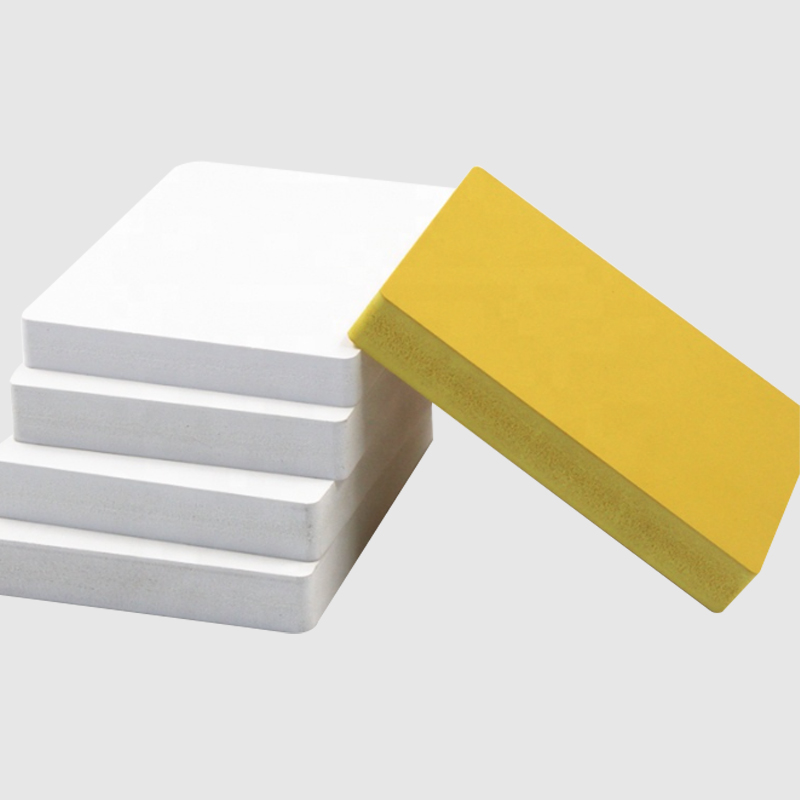
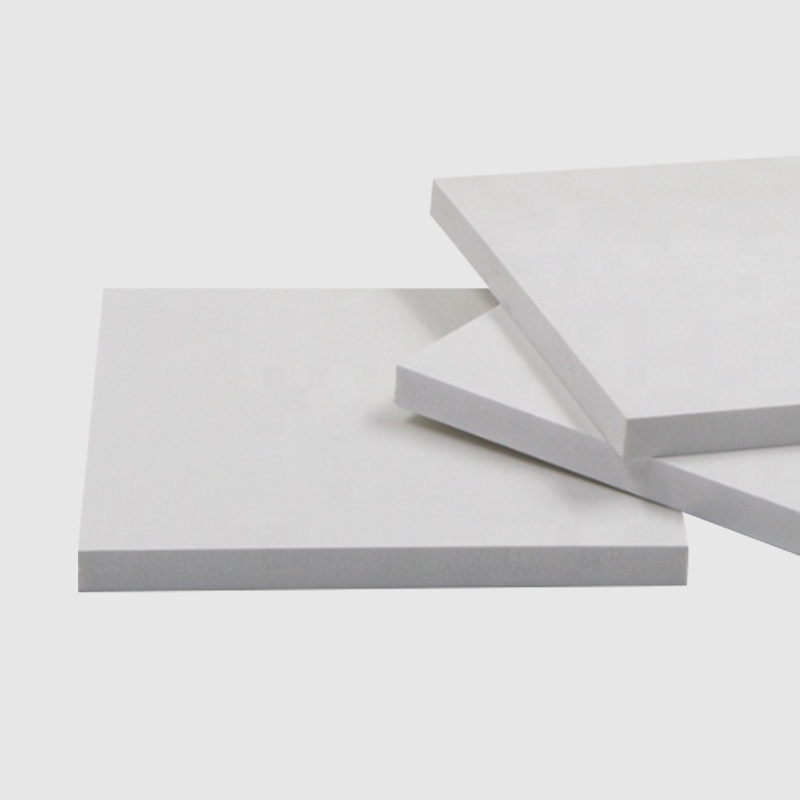

Jiatao Industry Co., Ltd. is a professional manufacturer of polyvinyl chloride plastic boards in China, dedicated to the production of PVC foam boards, plastic wood foamboards, as well as colorful pVC for extruded foam board sheet manufacturers.
-
ADDRESS
No.65 Liminba, Yinong Town, Xiaoshan District, Hangzhou, Zhejiang, China
-
EMAIL
-
PHONE
+86-17816178586
MOBILE SITE



Copyright © Jiatao Industry Co., Ltd. All Rights Reserved.
Custom Rigid PVC Plastic Foam Boards Suppliers

Contact Us