

 English
 Español
 عربى
عربى
Cat:PVC Foam Board
Characteristics: It is a very simple core material with good mechanical properties, lightweight material, good stability, compatible with all standard...
See DetailsArticle Directory
In the evolving landscape of interior design and furniture manufacturing, the shift toward polymer-based materials has reached a critical inflection point. For engineers and designers, the decision to use a pvc co-extruded foam board over traditional timber or medium-density fiberboard (MDF) is often driven by one core metric: surface hardness. In high-end cabinetry, where aesthetics must meet extreme durability, the ability of a material to resist deformation, scratches, and impact is paramount. Jiatao Industrial Co., Ltd., a professional manufacturer in China, utilizes advanced extrusion technology and fine cooling solidification to produce high-grade boards that serve as an important supplier base for over 10 of the world's Top 500 enterprises.
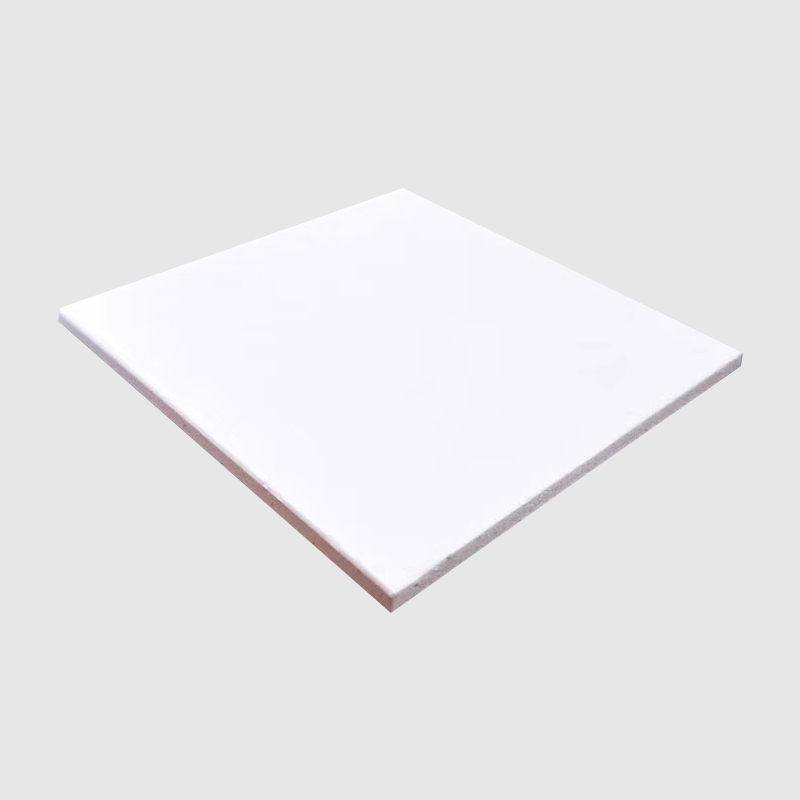
Unlike standard free-foam or Celuka methods, the co-extrusion process involves the simultaneous extrusion of a high-density skin over a foamed core. This creates a "sandwich" structure where the outer layers are virtually non-porous and significantly denser than the interior. This structural engineering allows the pvc co-extruded foam board to provide a rigid, smooth finish that is ready for high-gloss lamination or direct digital printing without the risk of surface telegraphing.
A high density pvc co-extruded foam board achieves its superior hardness through a precise cooling process that "freezes" the surface molecules into a tight lattice. According to the 2024 Global PVC Foam Sheet Market Report, high-density variants are projected to grow at a CAGR of 4.84% through 2032, largely due to their increasing adoption in structures for corrosive and high-impact environments.
Source: Maximize Market Research: Global PVC Foam Sheet Industry Analysis 2025
Cabinetry in kitchens and bathrooms is subject to constant moisture, chemical exposure, and physical wear. The surface hardness of the board determines whether the cabinet doors will dent when struck by utensils or warp when subjected to the weight of hardware. A board with insufficient hardness will fail at the hinge attachment points, as the core cannot provide the necessary screw-holding strength.
Choosing a pvc co-extruded foam board for kitchen cabinets ensures a 100% waterproof and termite-proof solution. While wood-based boards swell when exposed to humidity, co-extruded PVC remains dimensionally stable. The hardened surface acts as a barrier, preventing moisture from infiltrating the foamed core, which preserves the structural integrity of the entire unit for decades.
While the Celuka process creates a hard skin, the co-extrusion method produces a surface that is noticeably harder and smoother, making it the preferred choice for premium furniture. The co-extruded board offers a more uniform density distribution, which translates to better machining results and edge-finishing quality.
| Property | Celuka Foam Board | Co-extruded Foam Board |
| Surface Hardness (Shore D) | Typically 35 - 50 | Typically 55 - 65+ |
| Surface Finish | Smooth with slight texture | Ultra-smooth, glossy finish |
| Screw Holding Power | Moderate | High (Superior for heavy hardware) |
From an engineering perspective, surface hardness is measured using the Shore D scale. For high-end cabinetry, a minimum hardness of 55 Shore D is generally required to ensure the material can withstand industrial processing without marring.
A scratch resistant pvc co-extruded foam board is vital for maintaining a "showroom" look in residential projects. Technical benchmarks for 2025 emphasize that surface roughness (Ra) should be maintained between 0.8 and 2.0 microns to allow for high-quality graphics and lamination. ASTM D2240 remains the standard test method for determining the indentation hardness of these thermoplastic materials.
Source: Laird Plastics: PVC Foam Board Technical Properties 2025 Guide
The mechanical properties of PVC boards are strictly regulated to ensure safety and performance. High-end co-extruded boards are expected to meet Class B1/B2 flame resistance standards (DIN 4102) while maintaining a density between 0.45 and 0.80 g/cm³, providing an optimal strength-to-weight ratio for furniture installers.
For wholesalers and manufacturers, the reliability of the supply chain is just as important as the physical properties of the board. Sourcing from a large-scale production base ensures consistent thickness and surface quality across thousands of sheets.
When vetting wholesale pvc co-extruded foam board suppliers, it is critical to look for those with a global footprint. Jiatao Industrial exports over 25,000 tons annually to countries including the USA, Germany, and Japan. Our ability to serve world-top enterprises is a testament to our strict quality control and advanced extrusion technology.
While the initial pvc co-extruded foam board 18mm price may be higher than lower-density alternatives, the reduction in production waste and post-installation claims provides a significantly higher ROI. The 18mm thickness is the industry standard for cabinet carcasses and doors, providing the rigidity necessary for large-span shelving without sagging.
In the high-end cabinetry market, surface hardness is the defining factor that separates professional-grade materials from inferior substitutes. By selecting a high-performance pvc co-extruded foam board, manufacturers can offer products that are waterproof, fire-retardant, and exceptionally durable. Jiatao Industrial Co., Ltd. remains committed to being a global leader in PVC extrusion, providing the high-grade materials needed to build the kitchens and bathrooms of the future.
Characteristics: It is a very simple core material with good mechanical properties, lightweight material, good stability, compatible with all standard...
See Details
The panels are made from high quality PVC foam that resists termite infestation, making them ideal for areas prone to wood damage. The white colour ad...
See Details
Foam Sheet High Density 0.8 Lightweight 3.5mm 4mm 4.5mm 5mm PVC Co-extruded Sheet is a premium material that combines high density and lightweight for...
See Details
PVC Co-extruded Foam Board is a high quality product that offers a range of features. One of the standout features of this foam board is its waterproo...
See Details
PVC Lead Free 0.55 Density White 11mm PVC Foam Board is an choice for cabinet making. The foam board is made from high quality PVC with lead free cont...
See Details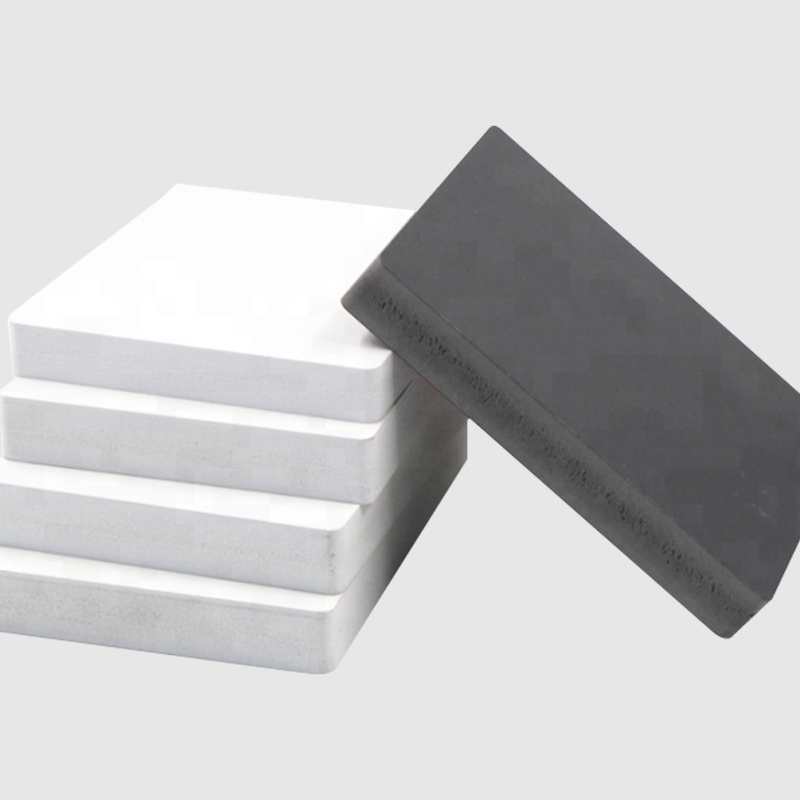
The basic specifications of 4*8 ft Sunboard Sheet 3mm PVC Gray Colored Foam Board Sheet are 1220mm x 2440mm, and the thickness can be selected from 3m...
See Details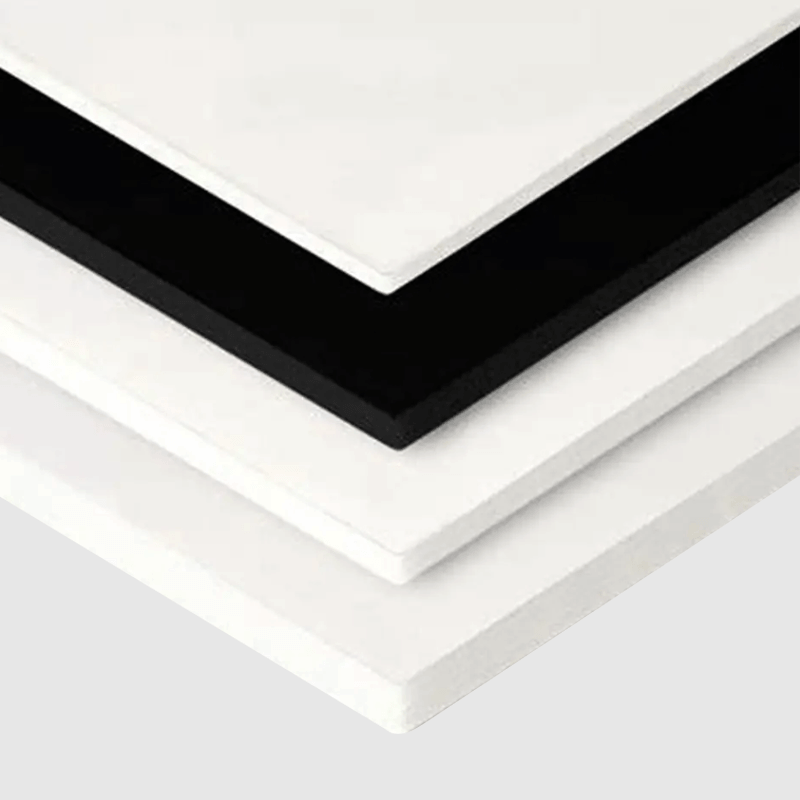
Characteristics: PVC board and other multi-hollow materials with similar acoustic properties noise reduction data in the range of 0.8-1.10 or so, can ...
See Details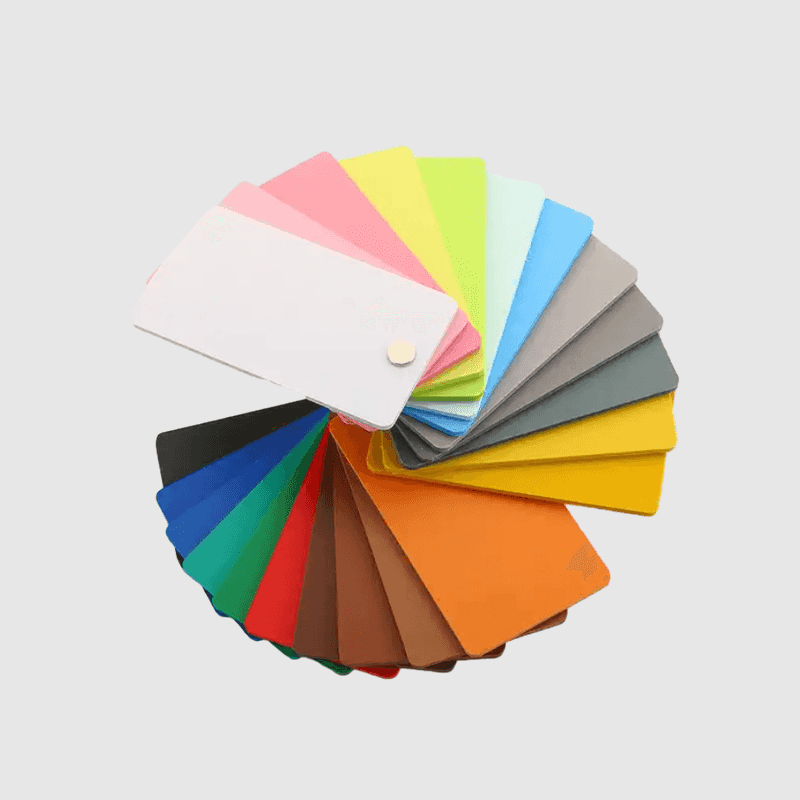
Features: high-quality raw materials, flame retardant, sufficient inventory, moisture-proof and waterproof, support customization. Support LOGO custom...
See Details
No.65 Liminba, Yinong Town, Xiaoshan District, Hangzhou, Zhejiang, China
+86-17816178586
Copyright © Jiatao Industry Co., Ltd. All Rights Reserved.
Custom Rigid PVC Plastic Foam Boards Suppliers




Contact Us