

 English
 Español
 عربى
عربى
Home / News / Industry News / How Waterproof PVC Foam Board Is Used in Construction, Advertising and Interior Applications
How Waterproof PVC Foam Board Is Used in Construction, Advertising and Interior Applications
Article Directory
- 1 OverviewWhat Is Waterproof PVC Foam Board and Why Is It Widely Used?
- 2 PerformanceWhy Is Waterproof Performance Important for PVC Foam Boards?
- 3 ConstructionHow Is Waterproof PVC Foam Board Used in Construction Applications?
- 4 AdvertisingWhy Is PVC Foam Board Popular in Advertising and Signage Applications?
- 5 InteriorHow Is Waterproof PVC Foam Board Used in Interior Design Applications?
- 6 ComparisonWhat Advantages Does Waterproof PVC Foam Board Offer Compared With Traditional Materials?
- 7 FabricationWhat Processing Methods Can Be Used for Waterproof PVC Foam Board?
- 8 SourcingWhat Factors Should Buyers Consider When Choosing Waterproof PVC Foam Board?
- 9 ProductionHow Is Waterproof PVC Foam Board Manufactured?
- 10 OutlookWhat Are the Future Trends of Waterproof PVC Foam Board Applications?
- 11 FAQ
Construction crews, sign shops, and interior fit-out companies increasingly reach for the same material when a project needs to survive moisture without adding weight or maintenance cost: waterproof PVC foam board. Built from a closed-cell PVC structure, this rigid foam sheet resists water absorption completely while remaining light enough to cut, route, and install with basic tools. That combination of properties explains why the same board turns up in bathroom wall panels, exhibition booths, and cabinet doors, despite those industries rarely sharing suppliers for anything else. This guide walks through where and why the material is specified, how it compares with traditional panel options, and what buyers should check before committing to a supplier.
OverviewWhat Is Waterproof PVC Foam Board and Why Is It Widely Used?
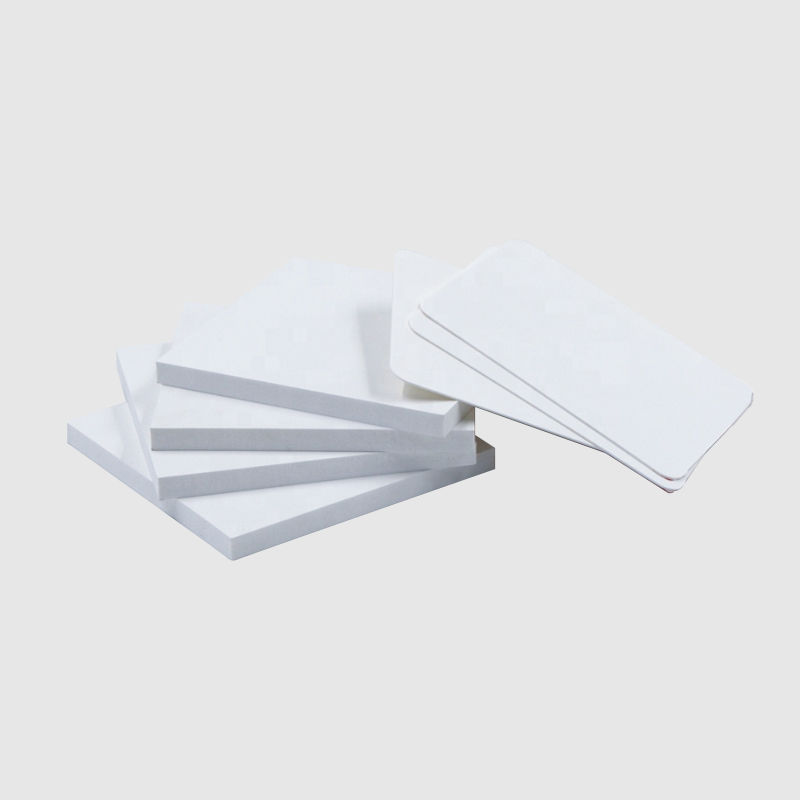
Waterproof PVC foam board is a lightweight rigid sheet material produced by extruding PVC resin into a closed-cell foam structure, then finishing it into flat panels of consistent thickness. The closed-cell structure is the key detail: unlike open-cell foams or fiber-based boards, water cannot travel through the cell walls, so the board neither absorbs moisture nor swells when exposed to it.
This property, combined with easy processing characteristics such as cutting, drilling, and printing, is why the material has spread across such different industries. A pvc foam board sheet behaves the same whether it is mounted as a bathroom wall panel or printed as a trade show sign, which lets manufacturers, fabricators, and installers standardize on one material family for very different end uses.
Compared with solid PVC sheet, the foamed structure also cuts material weight significantly while keeping most of the rigidity needed for panel applications. That weight reduction matters at every stage of the supply chain: lighter sheets cost less to ship, are easier for a single installer to handle on site, and put less load on fixings and substructures than denser board materials of the same thickness.
PerformanceWhy Is Waterproof Performance Important for PVC Foam Boards?
Waterproof performance is not a cosmetic feature on this material; it is the property that determines whether the board can be used at all in a given environment. Because the closed-cell structure prevents moisture absorption, the board keeps its original dimensions and strength even after years of exposure to humidity or direct water contact, which avoids the warping, swelling, and mold growth that affect wood-based and fiber-based panels under the same conditions.
This matters most in environments where materials fail quietly over time rather than all at once. A wood-based panel exposed to repeated splashing may look fine for months before swelling or delamination becomes visible, by which point the underlying structure has already been compromised. A closed-cell PVC foam board does not undergo that slow degradation, so its performance on day one is a reasonable predictor of its performance years later.
This reliability is what pushes specifiers toward PVC foam board specifically for environments where materials are tested hardest:
- Bathrooms
- Kitchens
- Outdoor signage areas
- Industrial wash-down spaces
In each of these settings, reduced maintenance is as important as the initial waterproof rating. A board that does not need repainting, resealing, or replacement after moisture exposure lowers the total lifecycle cost of the installation, which is often the deciding factor for facility owners comparing material options. Industrial facilities with regular wash-down cleaning cycles see this benefit most directly, since the board tolerates repeated direct water contact and chemical cleaning without the surface degradation that would eventually force a coated wood or metal panel to be replaced.
ConstructionHow Is Waterproof PVC Foam Board Used in Construction Applications?
In construction, the board is most often specified where standard drywall or wood panel systems would need constant moisture protection.
| Application | Typical Use Case |
| Wall and ceiling panels | Interior wall decoration and drop-ceiling systems in commercial spaces |
| Wet area applications | Bathroom panels and other moisture-prone rooms |
| Decorative structures | Lightweight partitions and architectural finishing details |
Beyond moisture resistance, contractors favor the board for practical installation reasons: its light weight reduces labor time compared with heavier panel materials, and pre-cut sheets can be trimmed on site with standard woodworking tools rather than specialized equipment. Combined with long-term durability in wet zones, this makes the board a common substitute for tiled or painted surfaces in budget-conscious commercial fit-outs.
Renovation projects in particular benefit from this combination of properties. Because the board can often be installed directly over an existing substrate without extensive demolition, contractors can complete wet-area refurbishments faster than a full tile replacement would allow, while still delivering a waterproof, easy-to-clean finished surface that meets the same functional requirements as tile in bathrooms and commercial kitchens.
AdvertisingWhy Is PVC Foam Board Popular in Advertising and Signage Applications?
The advertising and signage industry adopted PVC foam board earlier than most, and it remains one of the most common substrates for indoor signs, exhibition displays, promotional boards, and temporary display structures.
01Smooth print-ready surface
02Clean, precise cutting
03Easy shaping and routing
04Lightweight for transport
The smooth, non-porous surface accepts direct printing and vinyl application without the ink bleed or surface prep that porous substrates require, while the board's low weight keeps shipping and installation costs down for large-format exhibition graphics that need to travel between venues.
Sign shops also value how consistently the board machines on standard routing and cutting equipment. Because the foam core is uniform throughout the sheet, cut edges stay clean and dimensionally accurate even on intricate shapes, which reduces the finishing work needed before a sign or display panel is ready for installation.
InteriorHow Is Waterproof PVC Foam Board Used in Interior Design Applications?
Interior designers specify the board where a clean, moisture-stable surface needs to hold a finished appearance over years of daily use.
- Decorative wall panels
- Furniture components
- Cabinet materials
- Partition panels
Because the board does not absorb moisture or stain the way particleboard can, cabinet and furniture components built from it hold their finish and dimensions in kitchens and bathrooms far longer than comparable wood-based parts, while still offering the same design flexibility for color, texture, and edge detailing that interior fabricators expect from a sheet material.
Designers also appreciate that the board can be finished to match a wide range of interior styles, from matte painted surfaces to printed woodgrain and stone effects, without losing its underlying moisture resistance. That flexibility lets a single material specification cover very different aesthetic briefs across a project, simplifying sourcing for fit-out companies working on multiple room types at once.
ComparisonWhat Advantages Does Waterproof PVC Foam Board Offer Compared With Traditional Materials?
Specifiers weighing PVC foam board against wood, MDF, or metal panel options are usually deciding between upfront cost and long-term performance in demanding environments. The comparison below summarizes where each material family tends to hold an advantage.
PVC Foam Board
- Fully waterproof, closed-cell structure
- Lightweight for easy handling and installation
- Simple to cut, drill, and shape
- Resistant to corrosion and rot
Traditional Materials
- May absorb moisture over time
- Generally heavier per panel
- Higher ongoing maintenance needs
- More vulnerable to warping and mold
FabricationWhat Processing Methods Can Be Used for Waterproof PVC Foam Board?
The board's processing flexibility is part of why fabricators across such different industries can all work with it using equipment they already own.
- Cutting
- Drilling
- Engraving
- Laminating
- Printing
- Bonding
This range of compatible processes means the same base sheet can end up as a routed sign, a laminated cabinet door, or a printed exhibition panel, with fabricators choosing standard woodworking or plastics equipment rather than investing in material-specific machinery.
Bonding deserves particular attention during specification, since the board's smooth, low-porosity surface requires an adhesive system suited to plastics rather than general-purpose wood glue. Fabricators who match adhesive chemistry to the board surface get significantly stronger long-term bonds than those applying wood-shop bonding practices without adjustment.
SourcingWhat Factors Should Buyers Consider When Choosing Waterproof PVC Foam Board?
Specification sheets for PVC foam board can look similar at a glance, so buyers should compare suppliers against the same practical checklist every time. Small differences in density or surface finish rarely show up until a project is already underway, which makes upfront comparison far cheaper than a mid-project material swap.
| Factor | Why It Matters |
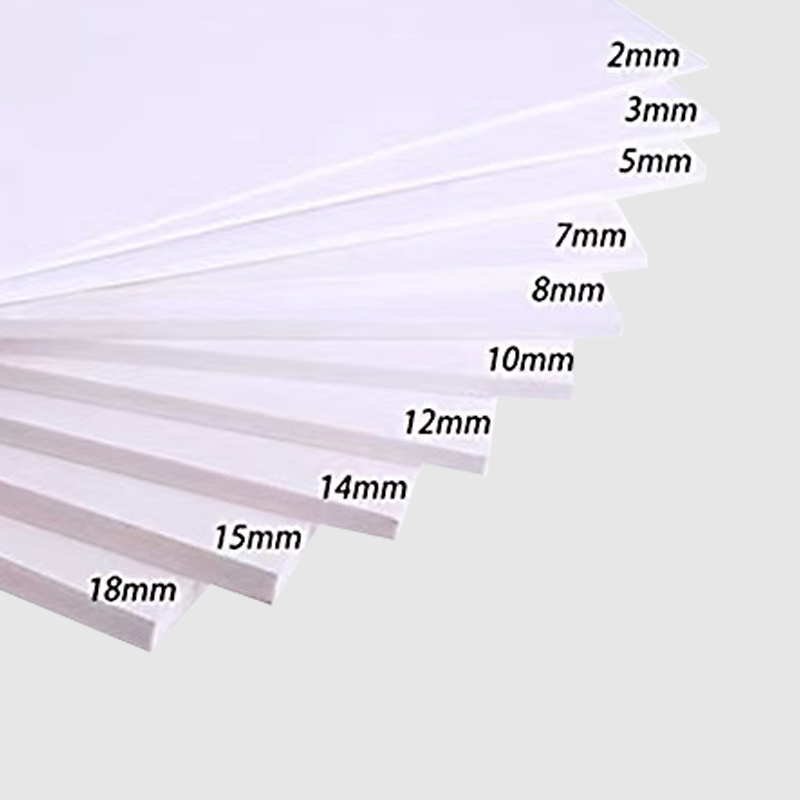
| Thickness | Determines rigidity and suitable span for panel applications |
| Density | Affects strength, weight, and fastener holding power |
| Surface quality | Impacts print results and finished appearance |
| Waterproof performance | Confirms suitability for the target environment |
| Color stability | Prevents fading in outdoor or high-light applications |
| Processing requirements | Confirms compatibility with the buyer's fabrication equipment |
A reliable pvc foam board waterproof supplier should be able to provide test data against each of these factors rather than a single generic data sheet, since performance can vary meaningfully between board grades even within the same nominal thickness.
ProductionHow Is Waterproof PVC Foam Board Manufactured?
-
PVC material preparation — sourcing and preparing base PVC resin for processing
-
Mixing with additives — blending foaming agents, stabilizers, and pigments into the resin
-
Extrusion foaming — forming the closed-cell foam sheet under heat and pressure
-
Surface treatment — finishing the sheet surface for consistent print and bonding quality
-
Cutting and inspection — trimming to size and checking against production specifications
Quality control at the final stage typically checks thickness accuracy, density consistency across the sheet, surface appearance under close inspection, and waterproof performance through direct immersion or moisture-exposure testing before the batch is approved for shipment. Manufacturers running consistent quality control at this stage produce far more predictable results across production batches, which matters most to buyers ordering large volumes for a single project where color and thickness variation between batches would be visible in the finished installation.
OutlookWhat Are the Future Trends of Waterproof PVC Foam Board Applications?
The clearest direction for the category is broader architectural adoption, as improved surface technologies make PVC foam board visually harder to distinguish from painted wood or stone finishes while keeping its waterproof and lightweight advantages.
Customized panel solutions, including textured surfaces and wider color ranges, are becoming standard offerings rather than premium options, and lightweight material development continues to push board density down without sacrificing rigidity. Buyers who work with suppliers offering strong customization and consistent quality control tend to adapt fastest as these surface and format options expand.
Wider architectural adoption is also being driven by growing comfort among specifiers with using plastic-based panels in visible, design-forward applications rather than only utility spaces. As surface technology closes the visual gap with traditional finishes, waterproof PVC foam board is increasingly treated as a primary design material rather than a budget substitute, particularly in projects where lifecycle cost and moisture performance carry real weight in the material decision.
 |
 |
FAQ
What is waterproof PVC foam board used for?
It is used for wall and ceiling panels, wet-area building surfaces, advertising signs and displays, and interior furniture or cabinet components, wherever a waterproof, lightweight sheet material is needed.
Is PVC foam board suitable for outdoor applications?
Yes, its closed-cell structure resists moisture and does not rot, making it suitable for outdoor signage and other exterior applications with proper UV-stable formulations.
Can PVC foam board be used in wet environments?
Yes, its waterproof structure makes it a common choice for bathrooms, kitchens, and other consistently humid or wet environments.
What industries use PVC foam boards?
Construction, advertising and signage, interior design, and furniture manufacturing are the primary industries using the material.
How durable is waterproof PVC foam board?
The board resists warping, swelling, and corrosion over long-term use, and with proper handling maintains its dimensions and appearance for years in demanding environments, including consistently wet or humid conditions that would degrade wood-based panels.
Can PVC foam boards be customized?
Yes, boards can be cut, drilled, engraved, laminated, printed, and bonded, allowing significant customization for specific project requirements.
Recommended NEWS:
Waterproof and moisture-proof performance of WPC Foam Board: materials, technology, application and maintenance
PVC Free Foam Board's multiple applications and environmental advantages in the field of transportation
How to deal with board deformation during the production process of PVC Celuka Board?
How to choose the right Laminated PVC foam board according to the surface treatment and lamination type
White Laminated PVC Free Foam Boards: Environmentally friendly and sustainable production
Application of White High-Tech PVC Plastic Foam Sheets in Advertising and Exhibition Display
Related Products

Jiatao Industry Co., Ltd. is a professional manufacturer of polyvinyl chloride plastic boards in China, dedicated to the production of PVC foam boards, plastic wood foamboards, as well as colorful pVC for extruded foam board sheet manufacturers.
-
ADDRESS
No.65 Liminba, Yinong Town, Xiaoshan District, Hangzhou, Zhejiang, China
-
EMAIL
-
PHONE
+86-17816178586
MOBILE SITE



Copyright © Jiatao Industry Co., Ltd. All Rights Reserved.
Custom Rigid PVC Plastic Foam Boards Suppliers

Contact Us