

 English
 Español
 عربى
عربى
Home / News / Industry News / PVC Foam Board 4x8: Features, Applications, Benefits and Selection Guide
PVC Foam Board 4x8: Features, Applications, Benefits and Selection Guide
Article Directory
- 1 01 What Is PVC Foam Board 4x8 and How It Is Made
- 2 02 Standard Thickness Options at a Glance
- 3 03 Why Fabricators Choose the 4x8 Format
- 4 04 PVC Foam Board 4x8 vs Plywood on Core Properties
- 5 05 From Extrusion to Finished Panel
- 6 06 Where 4x8 PVC Foam Boards Get Used
- 7 07 How to Choose Thickness and Density
- 8 08 Frequently Asked Questions
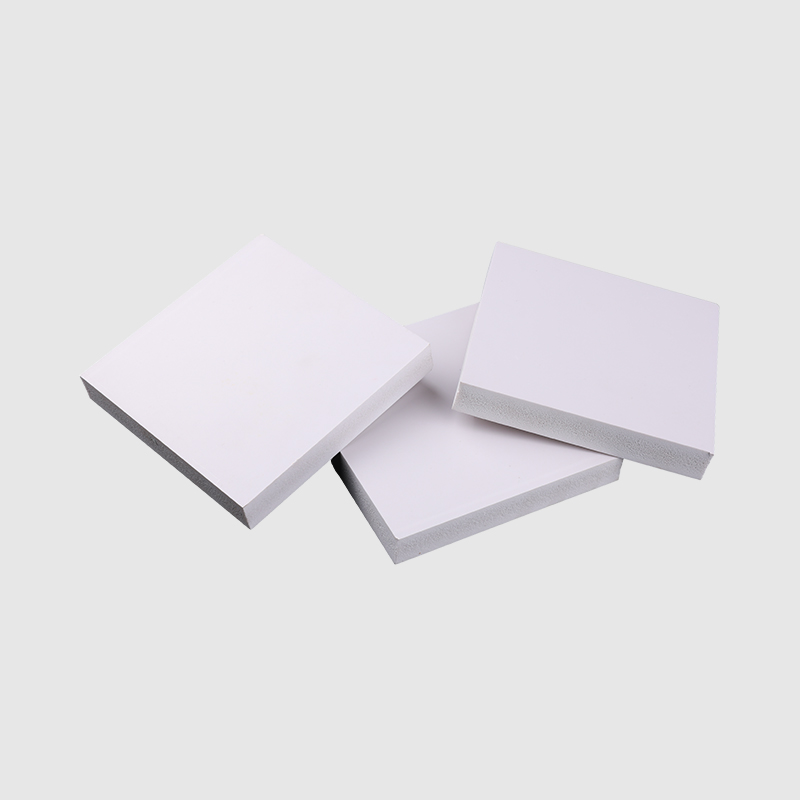
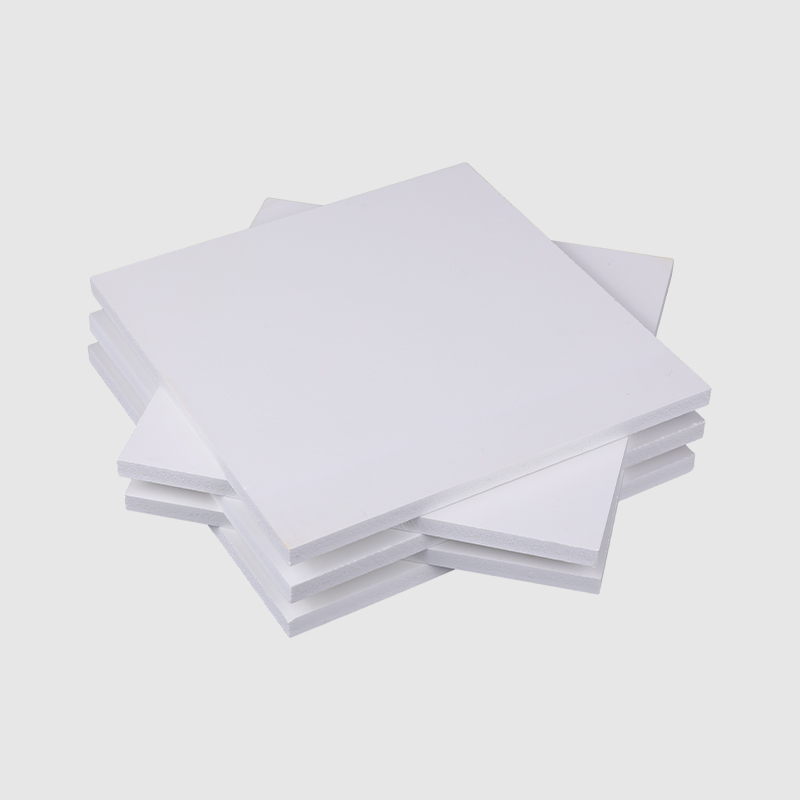
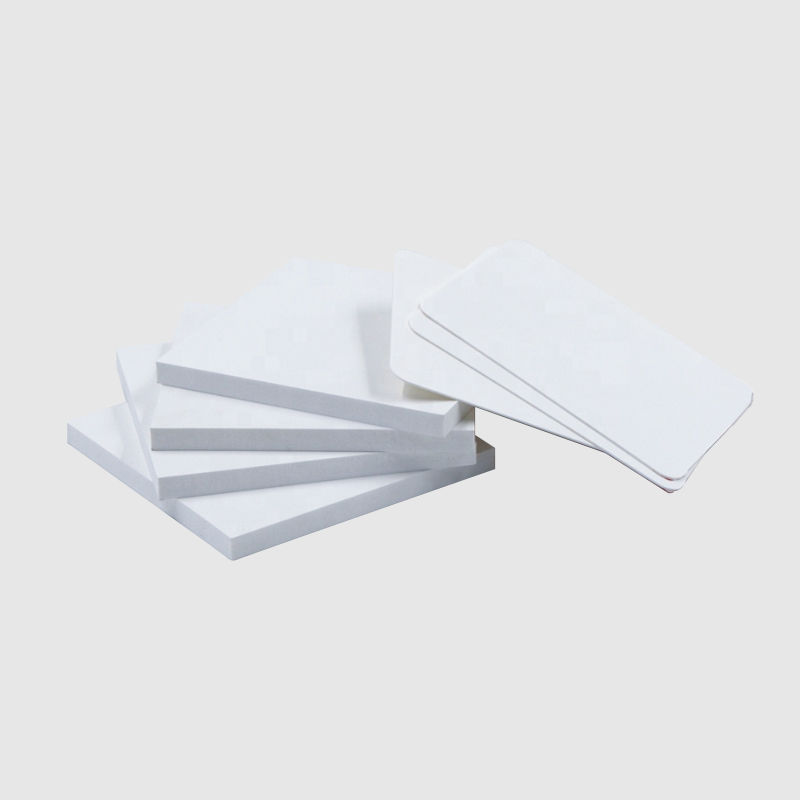
Choosing a large-format panel for signage, furniture, or interior fit-out usually comes down to one question: will it survive moisture and rough handling without adding weight to the project? PVC foam board 4x8 answers that question with a closed-cell extruded core that resists water, cuts cleanly, and ships in a single 1220mm by 2440mm sheet.
01 What Is PVC Foam Board 4x8 and How It Is Made
A rigid expanded PVC sheet manufactured through extrusion, PVC foam board 4x8 gets its strength-to-weight ratio from a closed-cell foam structure sandwiched inside a smooth skin. The 4x8 designation refers to the standard 4 foot by 8 foot format, the most common large-panel size across signage, cabinetry, and construction supply chains.
- 1Closed-cell core blocks water absorption and prevents swelling
- 2Smooth skin accepts UV printing, painting, and film lamination
- 3Cuts, routs, drills, and bonds with standard woodworking tools
- 4Dimensionally stable across humid and temperature-variable settings
02 Standard Thickness Options at a Glance
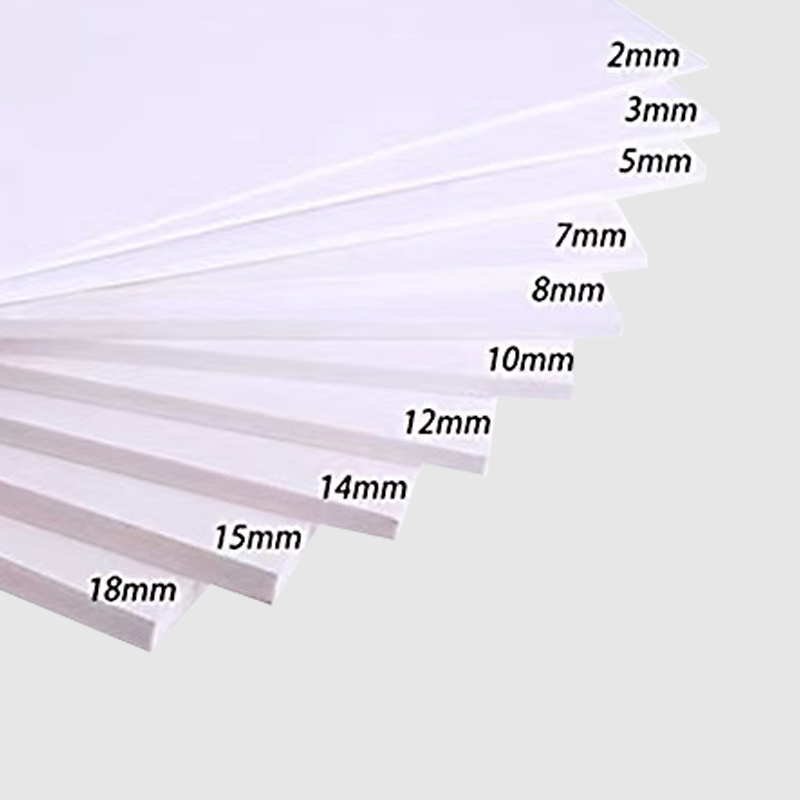
Sheets are produced across eight common thicknesses, letting fabricators match panel stiffness to the job instead of over-building every part. Thinner boards suit printed graphics; thicker boards carry structural and industrial loads.
Available Thickness Range (mm)
03 Why Fabricators Choose the 4x8 Format
8 standard thickness options span 3mm to 20mm, covering everything from printed signage to structural panels in a single material family
A single 4x8 sheet covers more surface area than smaller stock panels, which means fewer seams during installation, less trim waste, and faster fabrication runs. That efficiency compounds on large projects where dozens of panels are cut from the same sheet size.
04 PVC Foam Board 4x8 vs Plywood on Core Properties
Set beside plywood, the gap shows up most clearly in moisture exposure and finishing. Plywood absorbs water, delaminates, and needs sealing before it can be printed on; a sheet of PVC foam board 4x8 accepts print, paint, and lamination straight off the extrusion line without a sealing step.
PVC Foam Board 4x8 Plywood
| Weight | Lightweight | Medium | Medium | Medium |
| Water Resistance | Excellent | Poor | Poor | Excellent |
| Rot Resistance | Excellent | Low | Low | Excellent |
| Printing Performance | Excellent | Moderate | Moderate | Limited |
Columns left to right: PVC Foam Board 4x8, Plywood, MDF Board, Aluminum Sheet
05 From Extrusion to Finished Panel
1
Compound PreparationPVC resin, foaming agents, stabilizers, and lubricants are mixed to a formulation that sets final density and strength.
2
Extrusion and Foam FormationThe heated compound is extruded and expands into a closed-cell foam core, then shaped into the 4x8 format.
3
Surface TreatmentSanding, lamination, printing coatings, or embossing refine appearance and functional performance.
4
Quality InspectionThickness tolerance, density consistency, surface smoothness, and water resistance are checked before shipping.
06 Where 4x8 PVC Foam Boards Get Used
Signage and AdvertisingIndoor signs, exhibition boards, and promotional displays that need smooth, printable surfaces.
Furniture and CabinetsBathroom and kitchen cabinets, shelving, and decorative panels that face daily moisture.
Interior DecorationWall panels, ceiling decoration, and partitions installed with minimal maintenance.
Exhibition DisplaysTrade show booths and temporary structures that get assembled, shipped, and reused repeatedly.
07 How to Choose Thickness and Density
Match panel thickness to load, not budget: thin boards for printed graphics, medium boards for cabinetry, thick boards for structural and industrial fabrication.
Density works alongside thickness. Higher-density sheets add rigidity and impact resistance for structural parts, while lower-density sheets stay light for large printed panels that need to be lifted and mounted by hand. Confirm whether the installation is indoor or outdoor before finalizing a spec, since UV exposure and moisture load both affect the right formulation.
08 Frequently Asked Questions
What size is a standard PVC foam board 4x8 sheet?
A standard sheet measures 4 feet by 8 feet, approximately 1220mm by 2440mm, and is available in thicknesses from 3mm to 20mm.
Is PVC foam board waterproof?
Yes. The closed-cell foam core does not absorb water, so the board resists swelling, rot, and moisture-driven deformation in bathrooms, kitchens, and outdoor signage.
Can PVC foam board be printed on directly?
Yes. The smooth surface supports UV printing, digital printing, painting, and film lamination without a separate sealing step.
Which thickness should I choose for cabinets versus signage?
Signage typically uses thinner boards for lighter handling, while cabinet and furniture panels use medium to thicker boards for added rigidity and impact resistance.
 |
 |
Recommended NEWS:
PVC Free Foam Board's multiple applications and environmental advantages in the field of transportation
White Laminated PVC Free Foam Boards: Environmentally friendly and sustainable production
Application of White High-Tech PVC Plastic Foam Sheets in Advertising and Exhibition Display
Custom Laminated PVC Foam Board: A versatile material with excellent waterproof performance
PVC foam board is ideal for billboards and exhibition boards
Laminated PVC Foam Board has the advantages of being moisture-proof and water-resistant compared to other materials
Related Products

Jiatao Industry Co., Ltd. is a professional manufacturer of polyvinyl chloride plastic boards in China, dedicated to the production of PVC foam boards, plastic wood foamboards, as well as colorful pVC for extruded foam board sheet manufacturers.
-
ADDRESS
No.65 Liminba, Yinong Town, Xiaoshan District, Hangzhou, Zhejiang, China
-
EMAIL
-
PHONE
+86-17816178586
MOBILE SITE



Copyright © Jiatao Industry Co., Ltd. All Rights Reserved.
Custom Rigid PVC Plastic Foam Boards Suppliers

Contact Us