English
 Español
 عربى
عربى
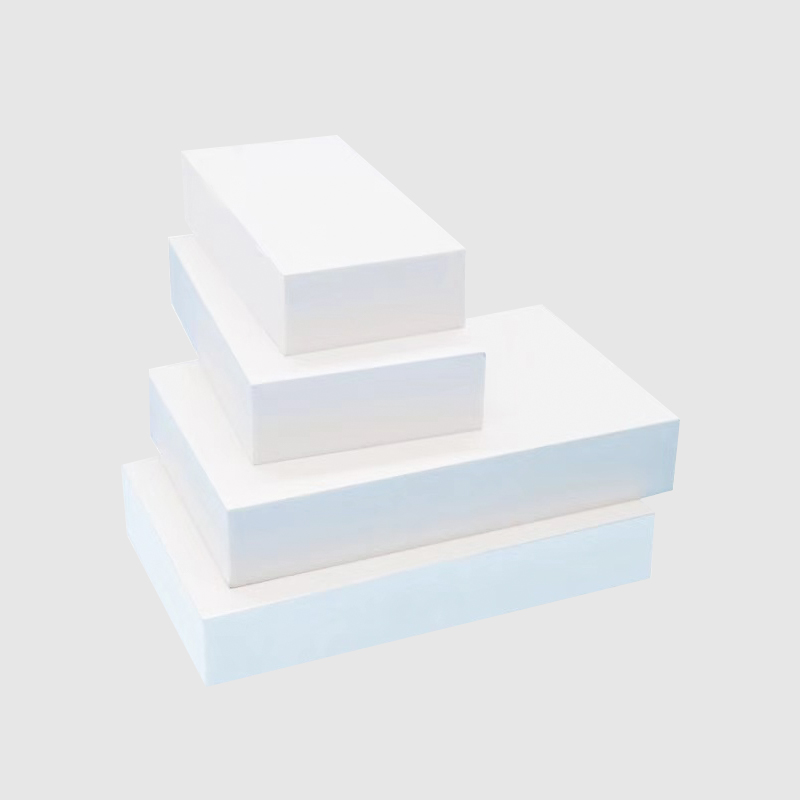
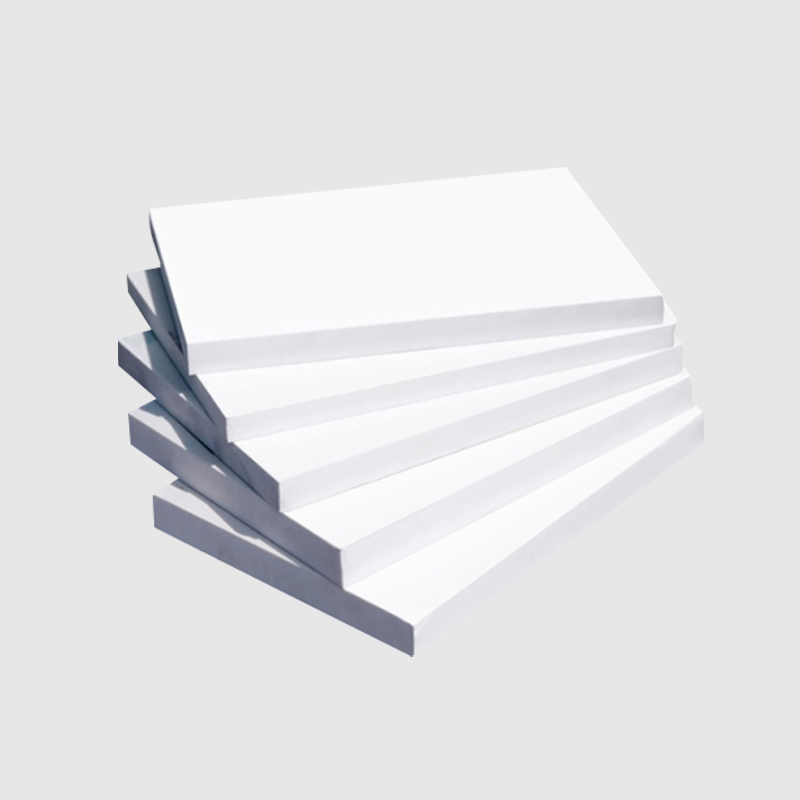
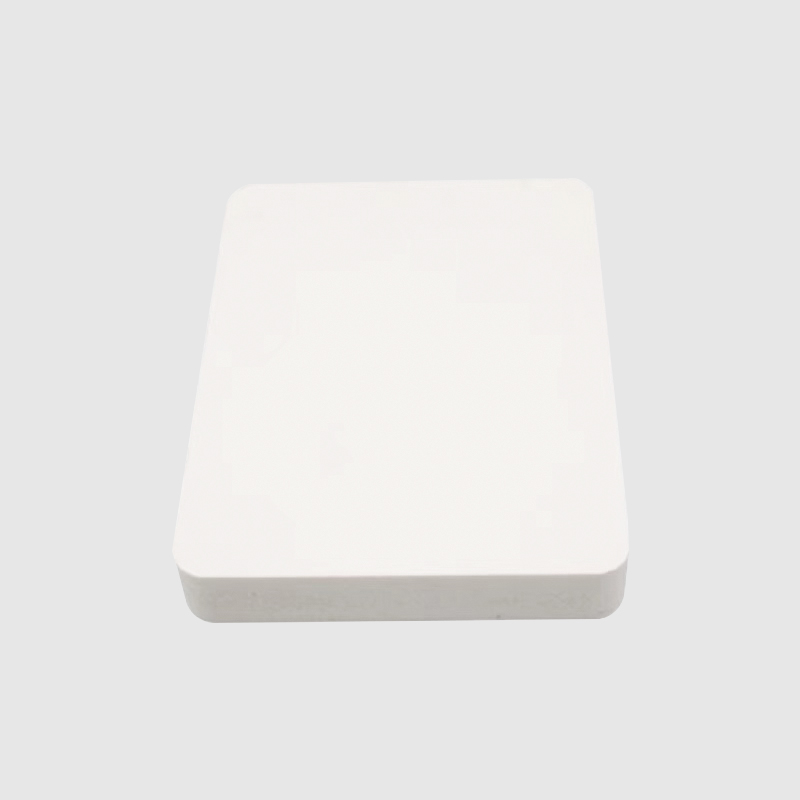
Sgs china 1.22m*2.44m pvc board sun board
Cat:PVC Foam Board
Characteristics: waterproof, fireproof, mothproof, mouldproof. Support LOGO customisation, outer packaging customisation, pattern customisation Our PV...
See Details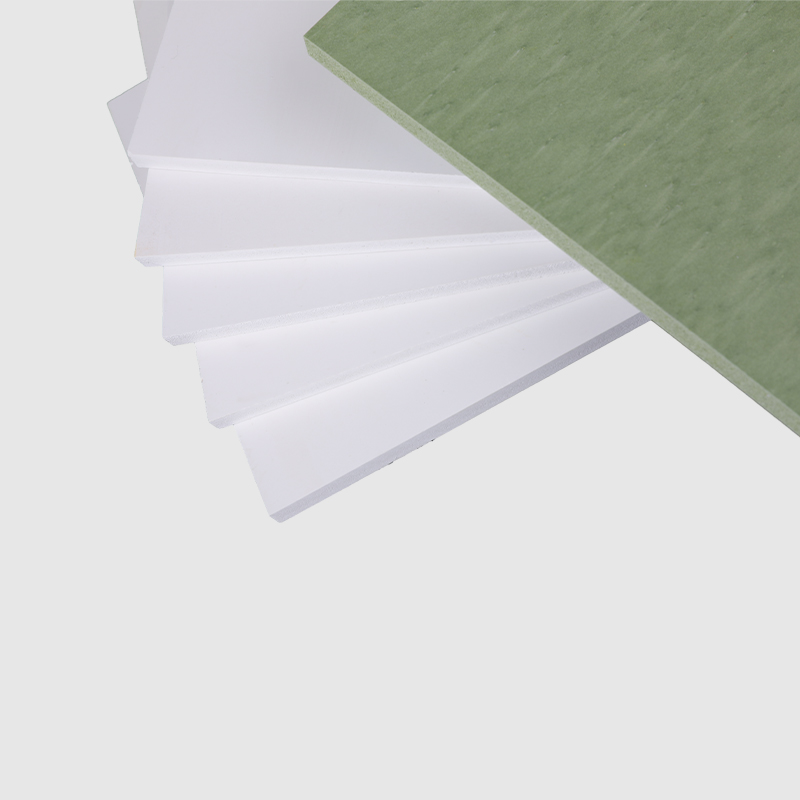
The 5mm UV printing PVC sintra sheet delivers a rigid, lightweight substrate engineered for high-resolution digital printing. Compatible with UV flatbed printers, this sintra-grade board provides consistent ink adhesion, color fidelity, and dimensional stability for signboard and banner applications. The closed-cell structure prevents moisture ingress, while the smooth surface accepts both UV and solvent inks without primer. The standard 1220x2440mm sheet size integrates with large-format printing equipment, making it suitable for indoor signage, exhibition graphics, and retail displays.
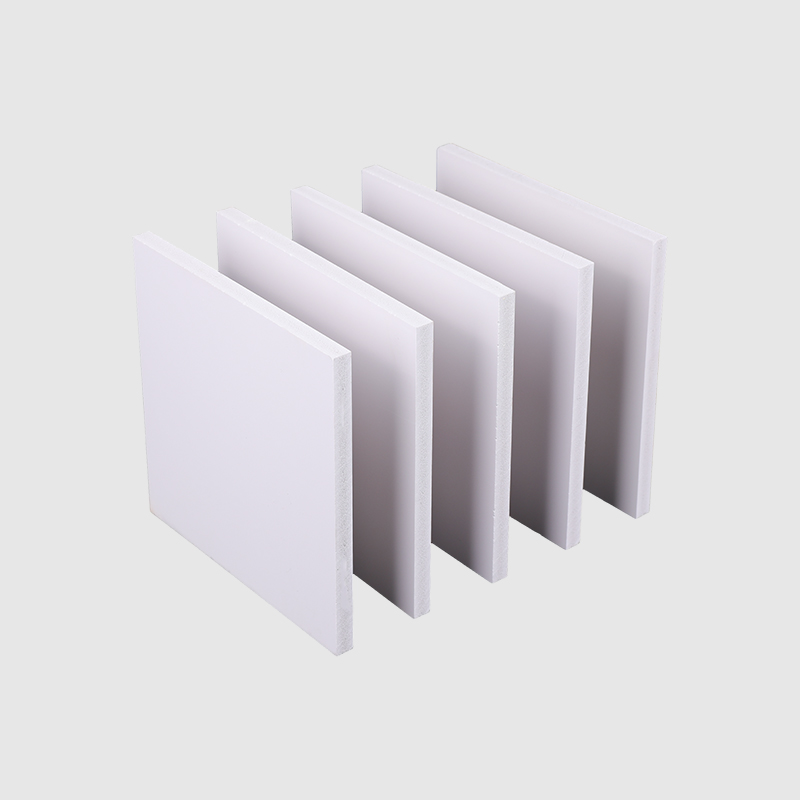
Characteristics: waterproof, fireproof, mothproof, mouldproof. Support LOGO customisation, outer packaging customisation, pattern customisation Our PV...
See Details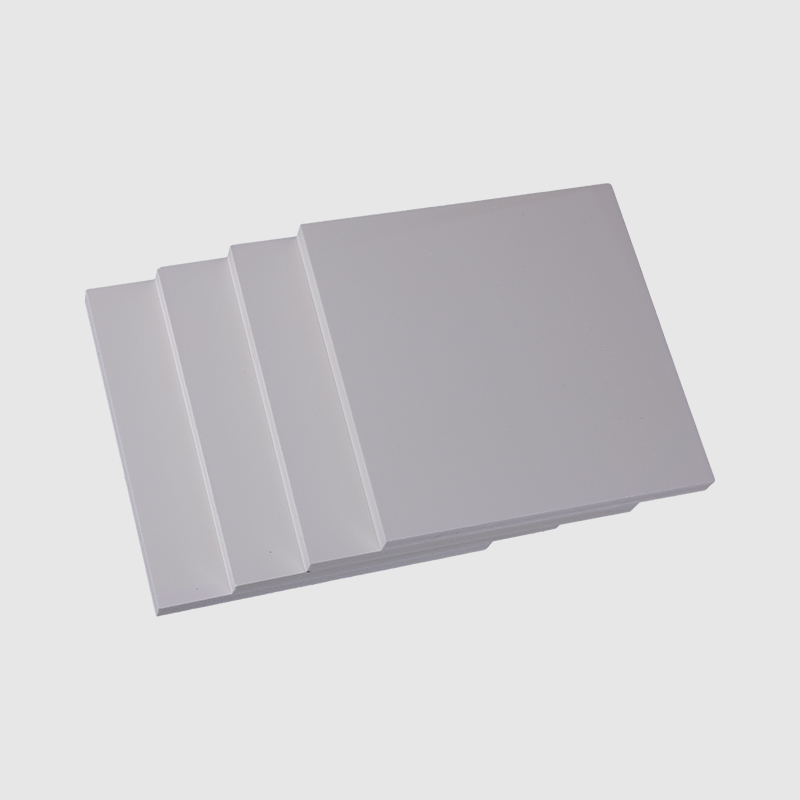
High-density PVC foam board is suitable for furniture customization and cabinet customization. It is easy to drill, cut and grind. It supports LOGO cu...
See Details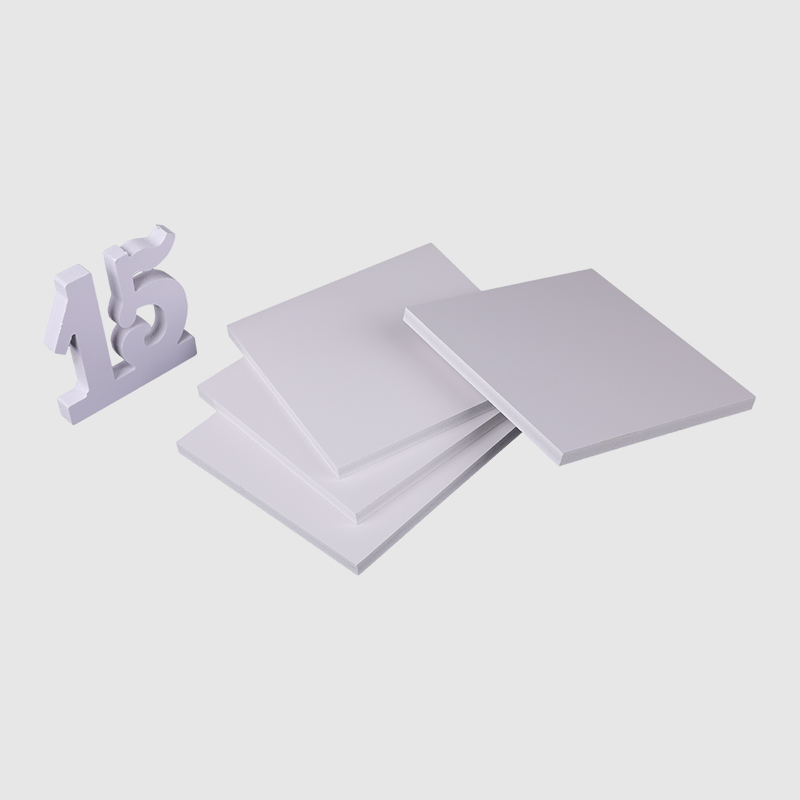
Features: Foam board carving is often used for model making and handicrafts, reasonable price, adaptable and durable. Support LOGO customisation, oute...
See Details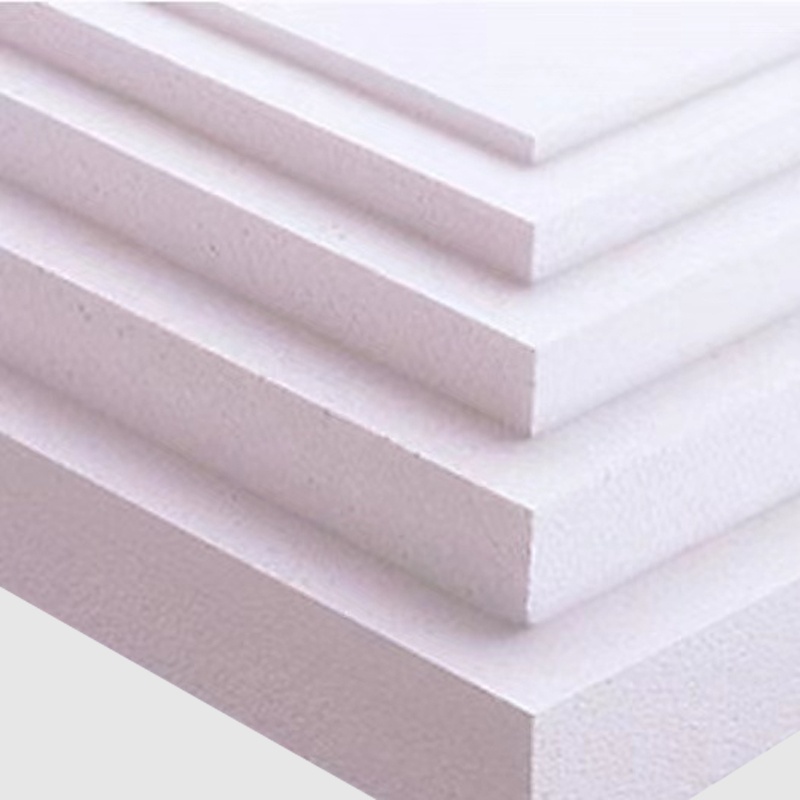
Pure White PVC Co-extruded Foam Sheet is a high quality material designed for applications requiring a rigid PVC sheet underneath the vehicle. This fo...
See Details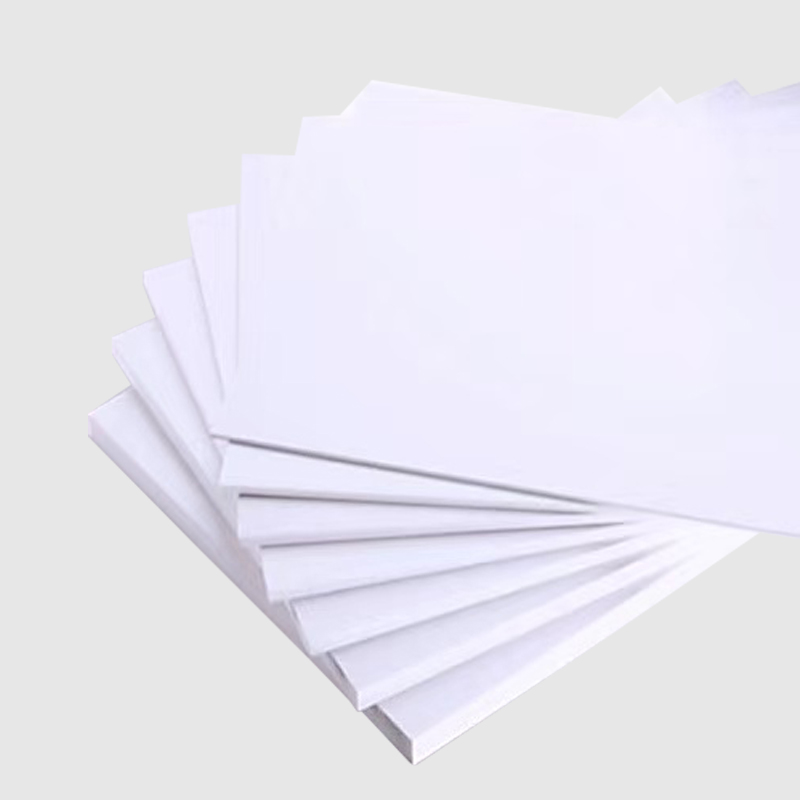
PVC Co-extruded Foam Board is a high quality product that offers a range of features. One of the standout features of this foam board is its waterproo...
See Details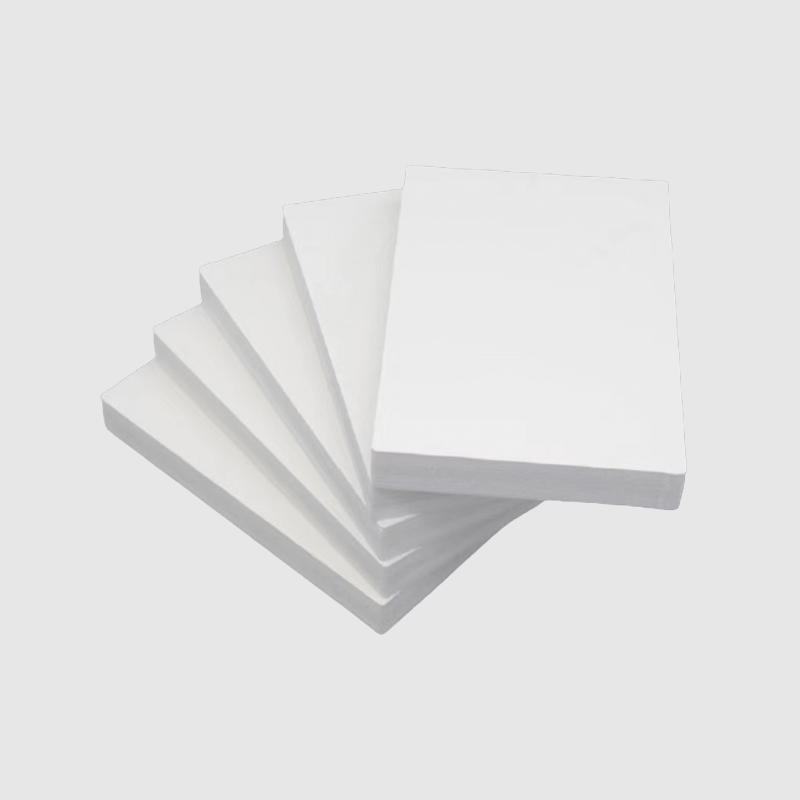
The foam board measures 1220*2440mm, providing artists with a large surface area to express their creativity. The high-density construction ensures du...
See Details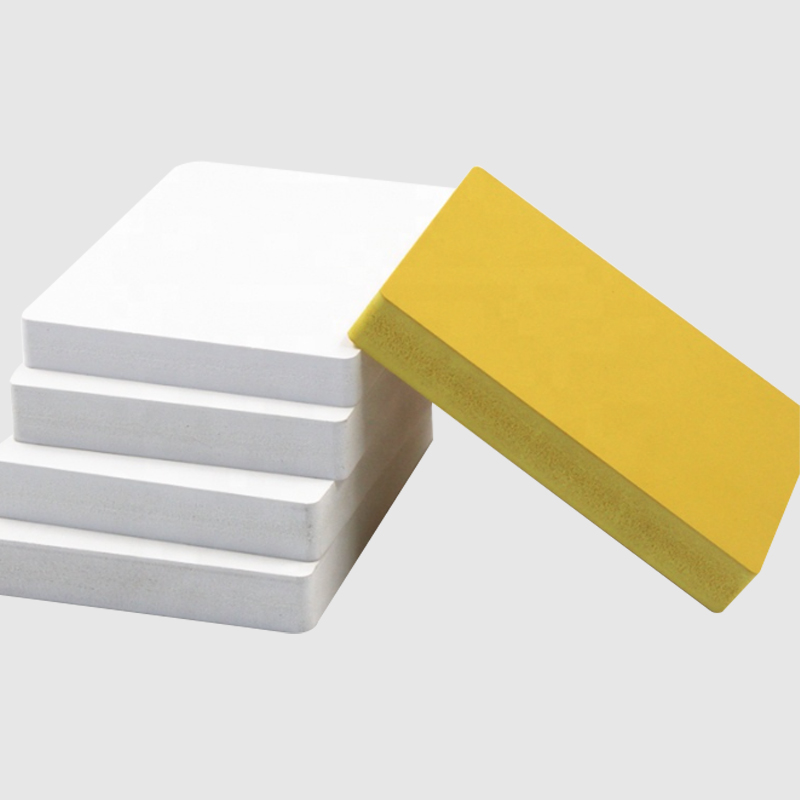
12mm thick premium bright yellow/white PVC colored foam board is suitable for signs, display stands, crafts and interior decoration. Made of high-qual...
See Details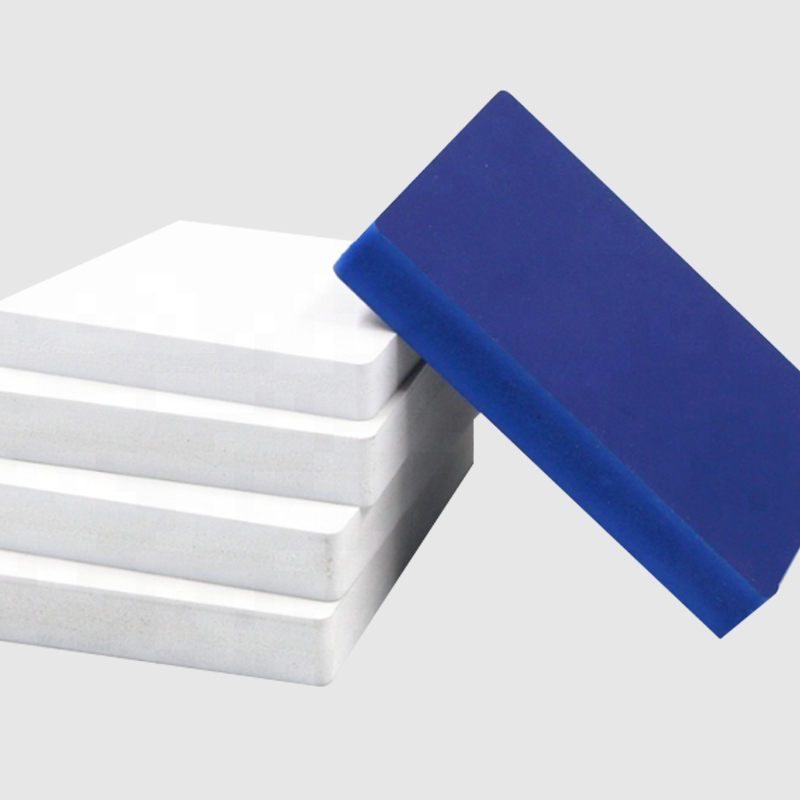
Deep blue rigid PVC foam board/sheet, with its unique deep blue tone and physical properties, has been widely used in many fields such as constructio...
See DetailsExhibition News Hangzhou Jiatao Industrial Co., Ltd. to Exhibit at Shanghai International Advertising / Printing / LED / Digital Signage Exhibition Dates September 15–17, 2026 Venue Shanghai Pudong...
READ MORELooking at material options for a run of kitchen cabinet door panels, bathroom vanity units, or exterior signage, you will eventually compare two very different sheets: PVC Celuka foam board and MDF....
READ MOREPanel manufacturers switching from plywood, MDF, or acrylic to Celtec PVC Foam Board almost always cite the same three reasons: less weight to move, less time to machine, and a surface that holds a f...
READ MORE
No.65 Liminba, Yinong Town, Xiaoshan District, Hangzhou, Zhejiang, China
+86-17816178586
Copyright © Jiatao Industry Co., Ltd. All Rights Reserved.
Wholesale 5mm uv printing pvc sintra sheet signboard and banner
;