

 English
 Español
 عربى
عربى
Cat:PVC Foam Board
High-density PVC foam board is suitable for furniture customization and cabinet customization. It is easy to drill, cut and grind. It supports LOGO cu...
See DetailsArticle Directory
Polyvinyl Chloride Wood Plastic Composite (PVC WPC) foam board has become a preferred material in the furniture, advertising, and interior decoration industries globally. For B2B procurement professionals, particularly those supplying high-end markets in the United States, Germany, and Japan, meeting stringent fire safety codes is a fundamental, non-negotiable requirement. The critical technical question is whether this material can inherently achieve standards like North American Class B rating for foam board without the added cost and potential structural compromise of external flame retardant additives. Jiatao Industrial Co., Ltd. is a large-scale professional manufacturer committed to the precise production of PVC and PVC WPC foam boards using advanced extrusion technology. With an annual capacity exceeding twenty-five thousand tons, our focus is on delivering boards that combine the required durability with verifiable safety performance. Our products are trusted by over ten of the world's top 500 enterprises, validating our adherence to high technical standards.
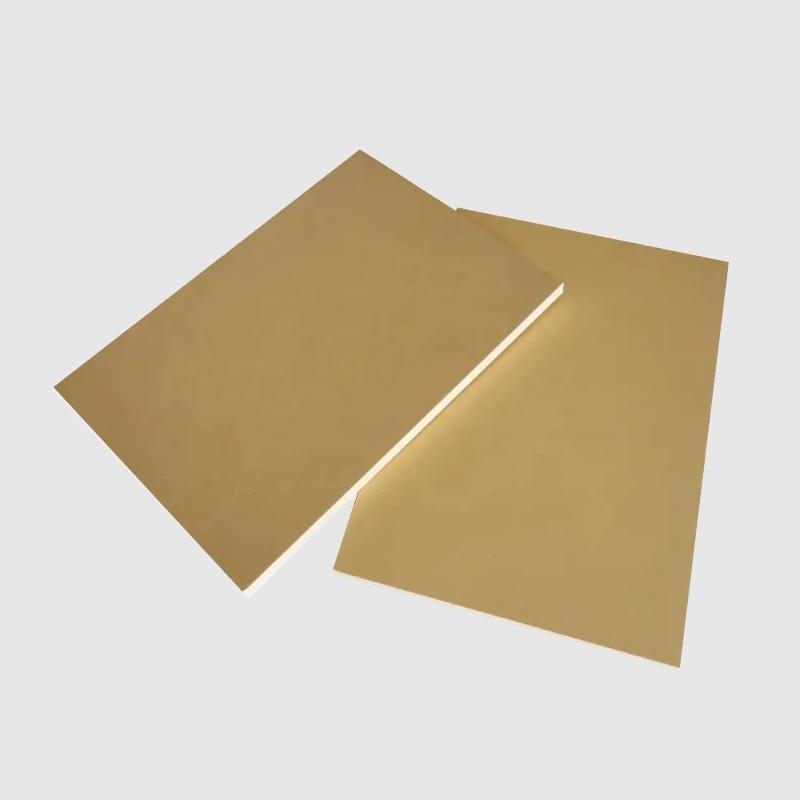
High density and thickness wpc foam board smooth surface
The PVC WPC foam board benefits significantly from the molecular structure of Polyvinyl Chloride. PVC polymer contains approximately fifty-seven percent chlorine by weight. During combustion, the chlorine atoms act as a natural flame inhibitor by releasing hydrogen chloride gas, which effectively smothers the flame and reduces the material's flammability. This imparts a high Limiting Oxygen Index (LOI)—the minimum percentage of oxygen required in the atmosphere to support combustion—typically around forty to forty-five percent for rigid PVC, compared to twenty-one percent in normal air. This high LOI is the foundation of the natural flame resistance of PVC WPC. However, the WPC component introduces wood fiber (a combustible material). The key to achieving high fire ratings lies in maintaining a high PVC content and ensuring the extrusion process (utilizing fine cooling solidification) creates a dense, consistent structure that encapsulates the wood particles.
Pure PVC naturally exhibits a strong natural flame resistance of PVC WPC that allows it to approach or meet the strictest standards (like the Class A of the North American Steiner Tunnel Test). When incorporating wood fiber into the composite, the fire rating is lowered, but well-formulated PVC WPC foam board can often achieve the necessary North American Class B rating for foam board without secondary flame retardants. The rating relies on the fact that the PVC matrix forms a char layer that protects the internal wood component from sustaining combustion.
To move beyond qualitative statements, engineers rely on standardized testing to quantify fire performance. The most critical standard in the North American market is the Steiner Tunnel Test (often referred to by its standard number), which determines two key indices: the Flame Spread Index (FSI) and the Smoke Developed Index (SDI). For interior finishes, achieving the North American Class B rating for foam board requires an FSI of twenty-six to seventy-five and an SDI of less than four hundred fifty.
The FSI quantitatively assesses how rapidly a flame front travels along the surface of the tested material compared to two reference materials (red oak, FSI equals one hundred; inorganic cement board, FSI equals zero). The flame spread index calculation for PVC board is derived by measuring the maximum distance the flame travels and the time it takes. Due to PVC's self-extinguishing nature, a well-produced PVC WPC foam board typically exhibits a very low FSI, often falling within the Class A (FSI zero to twenty-five) or Class B (FSI twenty-six to seventy-five) range.
While PVC excels in flame suppression, its decomposition can lead to significant smoke generation (containing hydrogen chloride gas). Therefore, quantifying smoke density of WPC materials via the Smoke Developed Index (SDI) is crucial. SDI is measured by tracking the reduction of light transmission through the exhaust duct during the Steiner test. A key trade-off for B2B buyers is that materials with high natural flame resistance of PVC WPC sometimes have a higher SDI compared to some non-halogenated alternatives. However, the SDI must remain below four hundred fifty to meet most building codes for Class B materials.
The fire performance comparison of WPC foam board against common alternatives highlights its unique position in the market. While traditional untreated wood is highly combustible (FSI approximately one hundred or more), and standard polyolefin foams often require heavy non-halogenated additives to meet even basic standards, the inherent halogen content in PVC provides a significant safety advantage.
The decision for B2B procurement often comes down to balancing the high initial cost of fully non-halogenated fire-rated materials against the established, cost-effective fire safety of PVC WPC.
| Material Type | Typical FSI Range (Steiner Test) | Typical SDI Range (Steiner Test) | Primary Fire Safety Advantage |
|---|---|---|---|
| Untreated Wood/Fiberboard | 100 or more (Class C) | 100 - 400 | Combustible, requires treatment. |
| PVC WPC Foam Board | 15 - 75 (Class A/B) | 150 - 450 | Natural flame resistance of PVC WPC and self-extinguishing. |
| Non-Halogenated FR Plastic Foam | 25 - 75 (Class A/B) | 50 - 200 | Low smoke, but high cost/requires special additives. |
The PVC WPC foam board provides a technologically sound solution for construction and interior applications where fire resistance is essential. The material's intrinsic chlorine content gives it a significant head start in meeting standards like the North American Class B rating for foam board, often without additional, costly retardants. By focusing on the precise processing techniques necessary to maintain density and uniformity, Jiatao Industrial Co., Ltd. ensures that our boards consistently minimize FSI and meet strict requirements for quantifying smoke density of WPC materials, providing verified safety and quality to our international customer base.
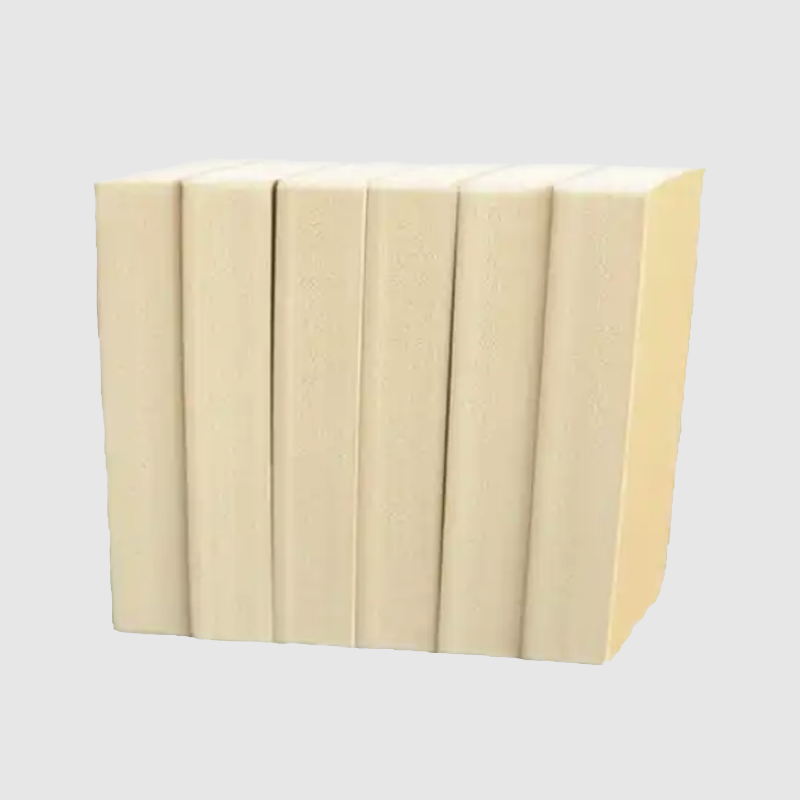
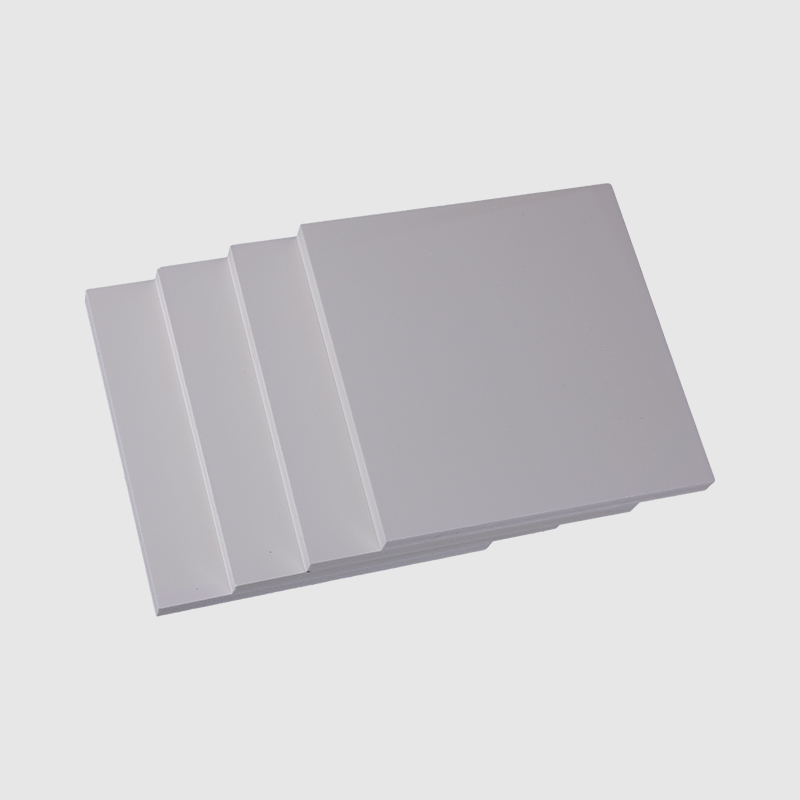
High-density PVC foam board is suitable for furniture customization and cabinet customization. It is easy to drill, cut and grind. It supports LOGO cu...
See Details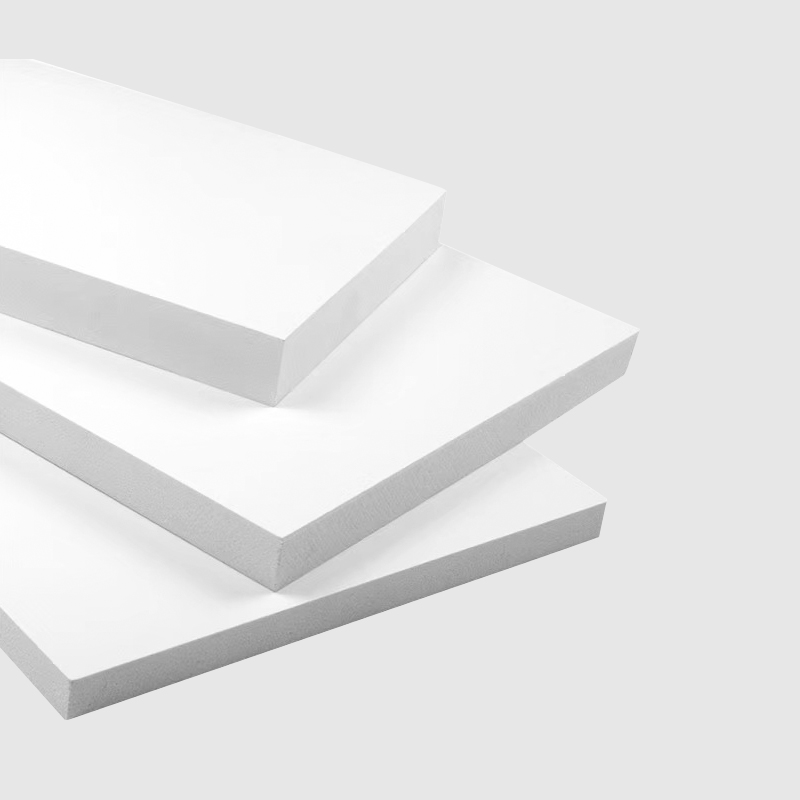
Characteristics: Foam board carving is often used for model making and handicrafts, reasonable price, adaptable, durable, which is characterised by we...
See Details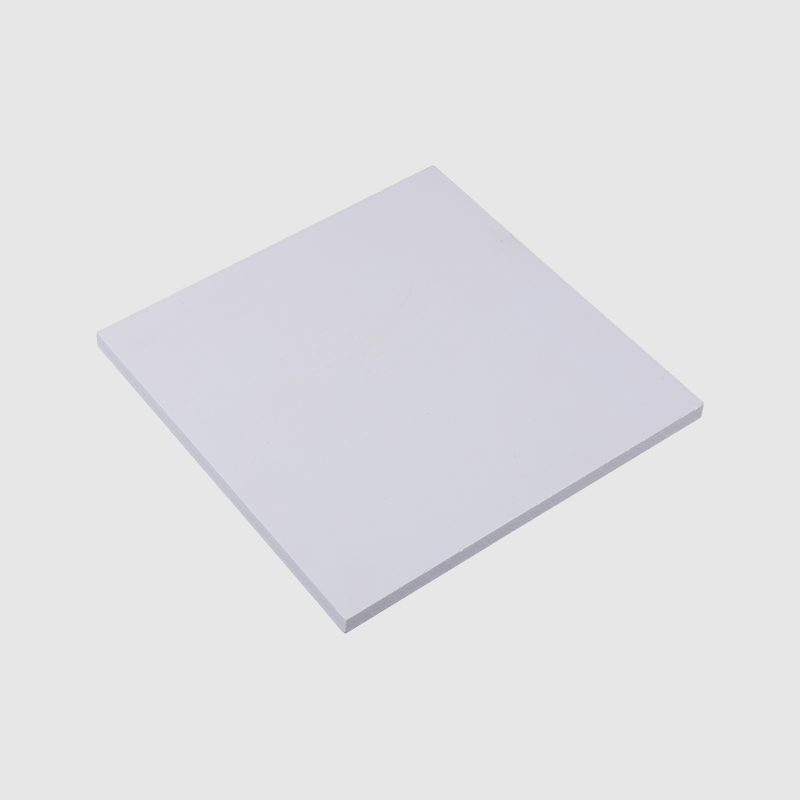
Characteristics: The substrate needs to meet the qualified properties required by the manufacturing process, such as milling and wiring, laminating, t...
See Details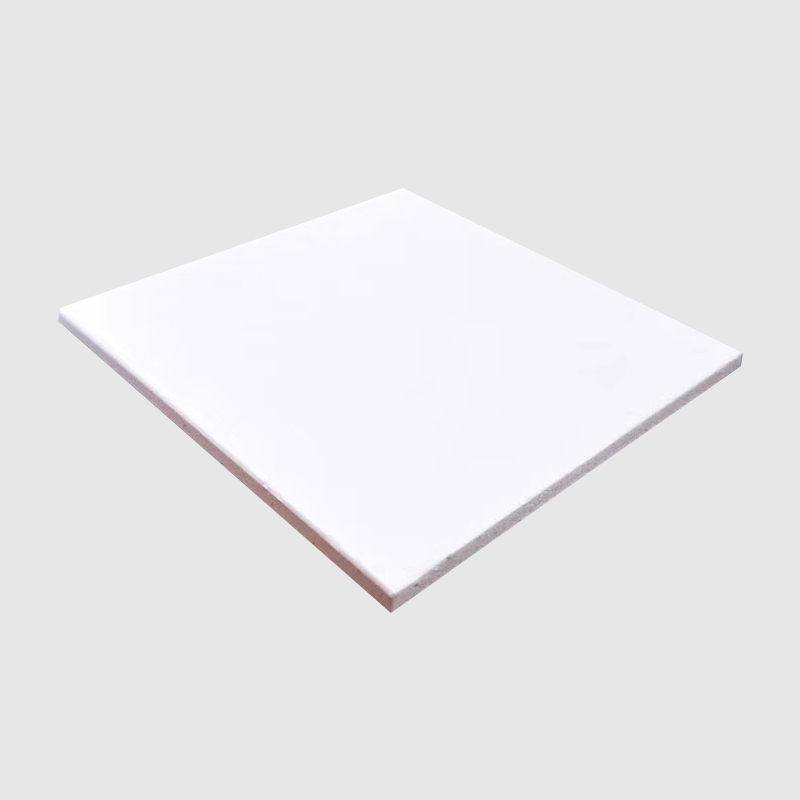
Foam Sheet High Density 0.8 Lightweight 3.5mm 4mm 4.5mm 5mm PVC Co-extruded Sheet is a premium material that combines high density and lightweight for...
See Details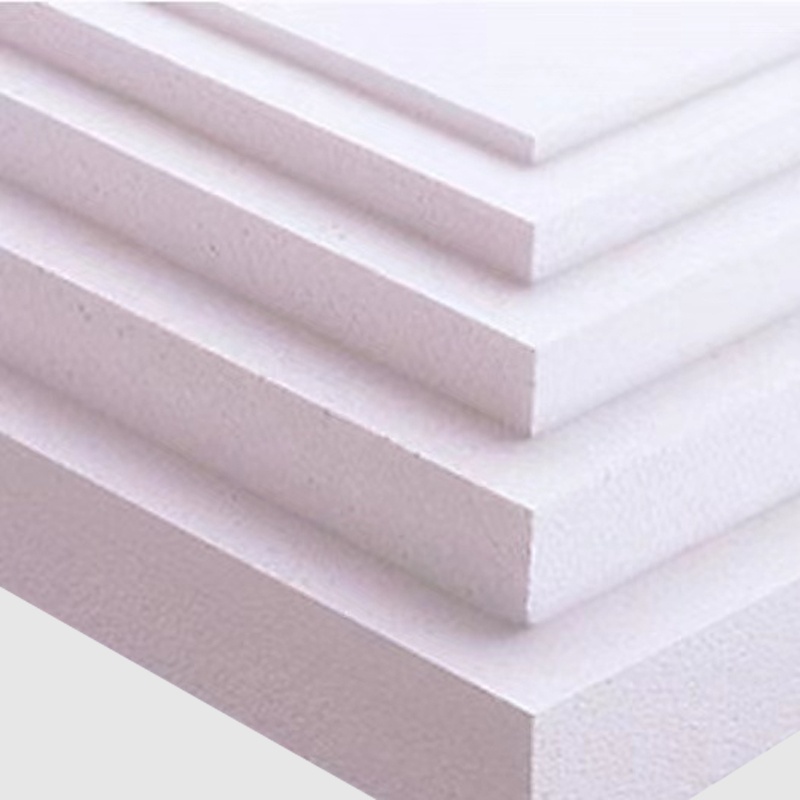
Pure White PVC Co-extruded Foam Sheet is a high quality material designed for applications requiring a rigid PVC sheet underneath the vehicle. This fo...
See Details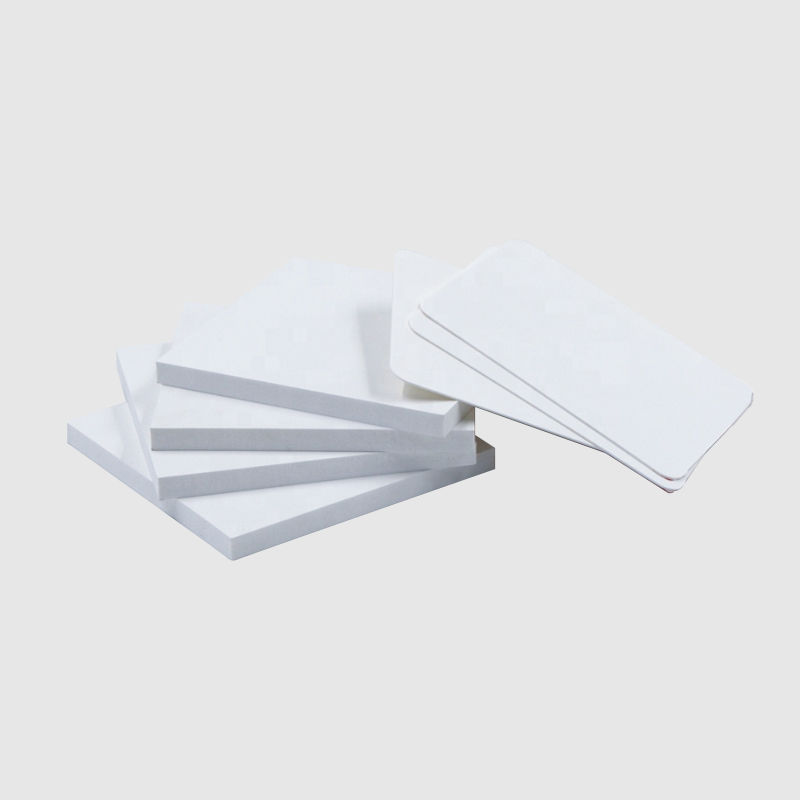
White Thickness 5mm PVC Foam Sheet is a versatile and durable material designed for architectural modelling applications. With its density and thickne...
See Details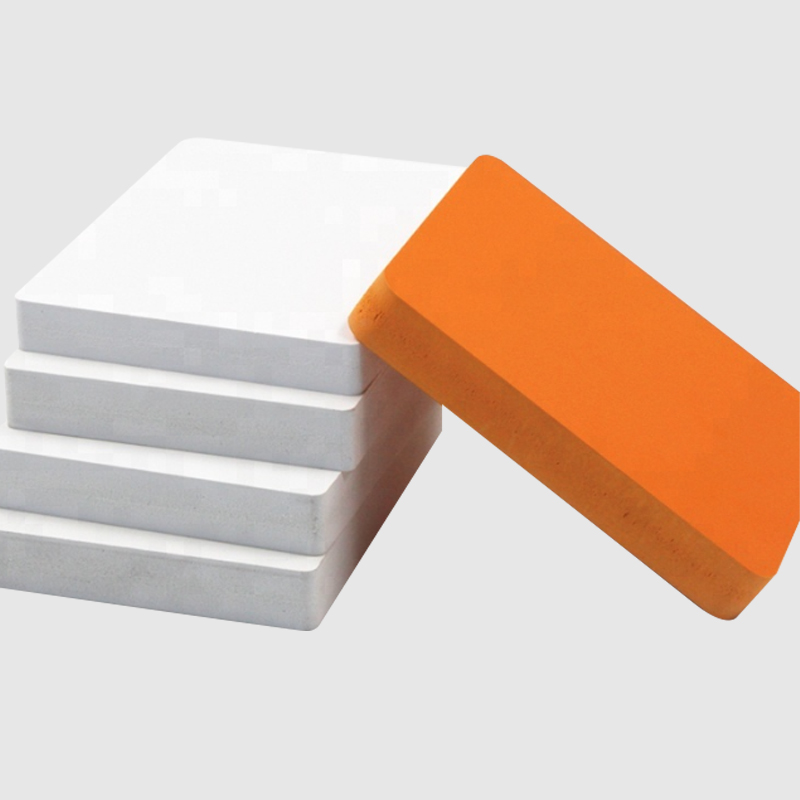
This high quality foam board is made from a durable PVC material that ensures longevity and performance. The vibrant and eye-catching bright orange co...
See Details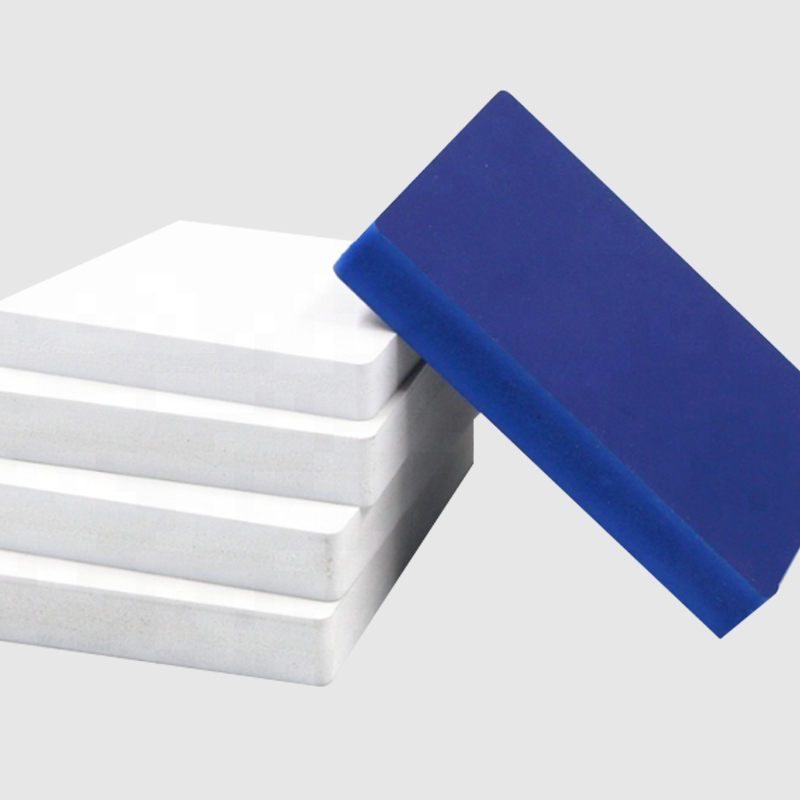
Deep blue rigid PVC foam board/sheet, with its unique deep blue tone and physical properties, has been widely used in many fields such as constructio...
See Details
No.65 Liminba, Yinong Town, Xiaoshan District, Hangzhou, Zhejiang, China
+86-17816178586
Copyright © Jiatao Industry Co., Ltd. All Rights Reserved.
Custom Rigid PVC Plastic Foam Boards Suppliers




Contact Us