

 English
 Español
 عربى
عربى
Cat:PVC Foam Board
High-density PVC foam board is suitable for furniture customization and cabinet customization. It is easy to drill, cut and grind. It supports LOGO cu...
See DetailsArticle Directory
The **PVC WPC foam board** is a versatile material choice for industries ranging from furniture manufacturing to signage. Its cellular structure grants it lightweight properties, but engineers and specifiers must keenly understand how the board's density directly governs its mechanical performance. The decision between a low-density board (e.g., 0.35 g/cm³) and a high-density board (e.g., 0.60 g/cm³) dictates the finished product's flexural strength, impact resilience, and crucially, its Screw holding power test WPC foam board capability. Correct density selection is paramount for structural reliability.
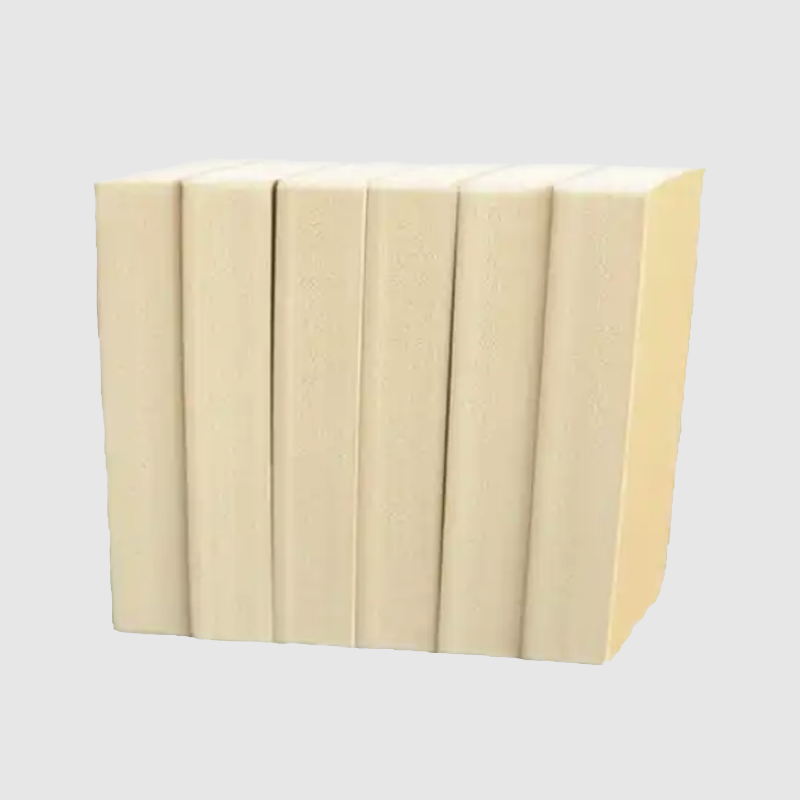
Wpc foam sheet 18mm wpc rigid foam sheet board
Density is a direct measure of the amount of material (PVC polymer and wood fiber/powder) packed into a given volume. This concentration fundamentally dictates the board's stiffness and strength.
Low-density boards feature a larger, more porous internal cellular structure (more voids), while high-density boards have smaller, more tightly packed cells. Although both are foam boards, the high concentration of material in the 0.60 g/cm³ board provides superior mechanical support for structural applications compared to the material-saving structure of the 0.35 g/cm³ board.
| Density (g/cm³) | Flexural Strength (MPa) | Screw Holding Power (N) |
|---|---|---|
| 0.35 (Low Density) | Typically 8 – 12 MPa | Low (Suitable for non-structural connections) |
| 0.60 (High Density) | Typically 20 – 30 MPa | High (Required for load-bearing furniture/cabinets) |
For applications involving construction and assembly, the ability of the material to securely retain fasteners is often the most critical performance metric.
Beyond density, the screw thread type (coarse vs. fine), screw diameter, and the use of pre-drilled pilot holes all significantly influence the final screw withdrawal resistance. Specifiers should always refer to manufacturer guidelines for optimal fastening techniques based on density grade.
Impact resistance is crucial for transportation and end-use applications where the material may encounter accidental damage.
Although the high-density **PVC WPC foam board** is harder and more resistant to scratching, its rigidity can sometimes lead to crack propagation rather than localized deformation under severe impacts, highlighting the subtle distinctions measured by the Impact resistance of low density foam board tests.
The final application dictates the necessary trade-off between material cost (driven by density) and performance requirements.
The Technical comparison of PVC WPC densities reveals clear application profiles. For load-bearing furniture and structural components (like PVC WPC kitchen cabinets), a high density (0.55 – 0.65 g/cm³) is non-negotiable to ensure sufficient Screw holding power test WPC foam board and flexural strength. Conversely, for large format advertising boards, where lightweight characteristics and low cost are prioritized over load-bearing capacity, a density of 0.35 – 0.45 g/cm³ is the appropriate choice, demonstrating the importance of Selecting optimal density for PVC WPC cabinets and other uses.
Since the raw material cost is proportional to the density, choosing a higher density than necessary directly impacts project budget. Careful application-based analysis, ensuring the chosen density just meets the structural and fastening requirements, is key to maximizing cost-efficiency without compromising safety or durability.
Jiatao Industrial Co., Ltd. is a specialized manufacturer of polyvinyl chloride plastic boards in China, focusing on **PVC WPC foam board**, PVC foam board, and color PVC board. Utilizing advanced extrusion technology and fine cooling solidification processes, we are committed to producing over 25,000 tons of PVC plate annually. We work closely with our global partners across advertising, furniture, and building decoration industries, including more than 10 Fortune 500 enterprises, providing them with materials engineered for precise applications. Our team focuses on development, production, and sales to ensure that clients are guided in Selecting optimal density for PVC WPC cabinets and other structural projects based on rigorous testing data, such as the Screw holding power test WPC foam board results, ensuring we remain an important and reliable supplier of high-quality PVC boards.
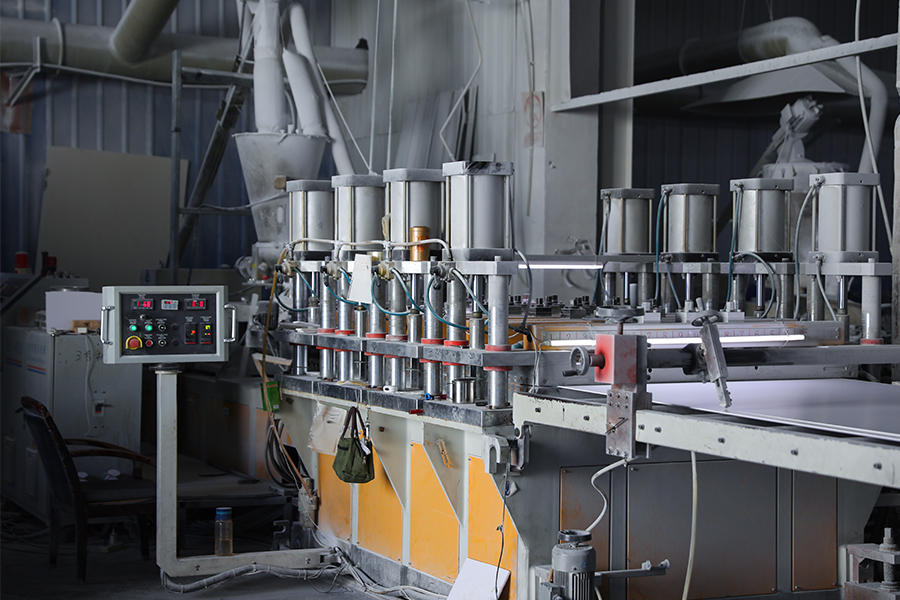
Density directly correlates with mechanical strength: higher density boards (e.g., 0.60 g/cm³) have higher flexural strength and significantly better screw holding power, making them suitable for load-bearing structural applications like cabinetry.
The fastening ability is quantified by the Screw holding power test WPC foam board, which measures the force required to withdraw a screw from the face or edge of the board, an essential metric when Selecting optimal density for PVC WPC cabinets.
The relationship is direct and often highly correlated: as the density of the board increases, the flexural strength (resistance to bending) increases substantially due to the higher concentration of polymer and wood fiber material.
While low-density boards have lower structural strength, they can sometimes absorb impact energy better than rigid, high-density boards by allowing the internal cellular structure to crush locally without the wider crack propagation seen in more rigid materials.
Low-density boards are primarily chosen when cost efficiency and lightweight characteristics are more important than load-bearing capability, such as in applications for indoor signage, display boards, or non-structural decorative elements.
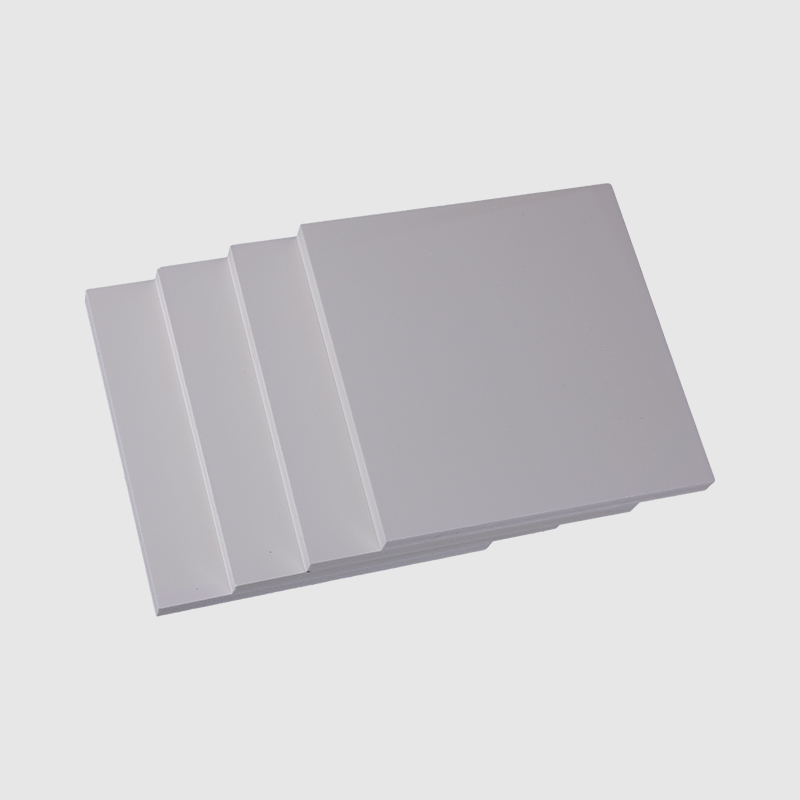
High-density PVC foam board is suitable for furniture customization and cabinet customization. It is easy to drill, cut and grind. It supports LOGO cu...
See Details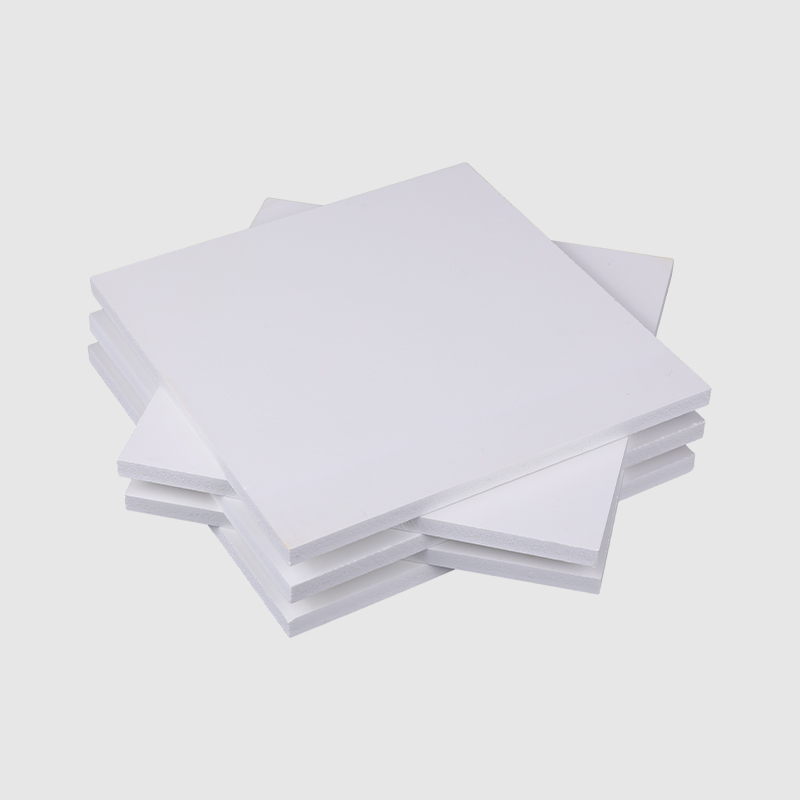
Features: snowboard high-density material for architectural sand table model, making handmade DIY material. Support LOGO customisation, outer packagin...
See Details
The 15mm PVC foam board is engineered for applications in rigid PVC furniture and interior wall paneling. It integrates waterproof, fireproof, and mot...
See Details
PVC Freedom Foam Board is lightweight and easy to handle and install. With its smooth, even surface, it provides the canvas for printing or painting. ...
See Details
White Thickness 5mm PVC Foam Sheet is a versatile and durable material designed for architectural modelling applications. With its density and thickne...
See Details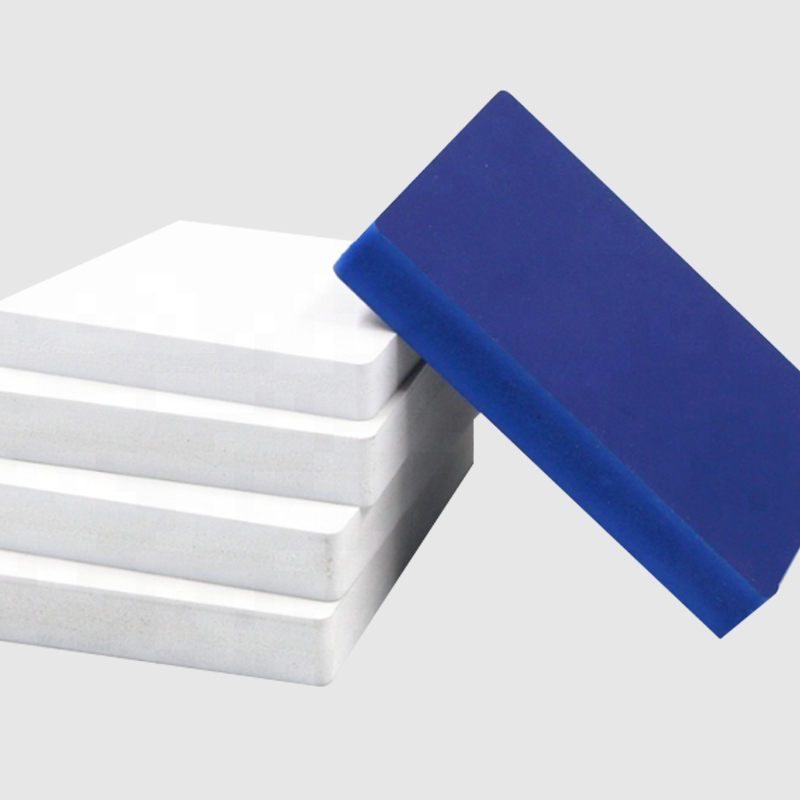
Deep blue rigid PVC foam board/sheet, with its unique deep blue tone and physical properties, has been widely used in many fields such as constructio...
See Details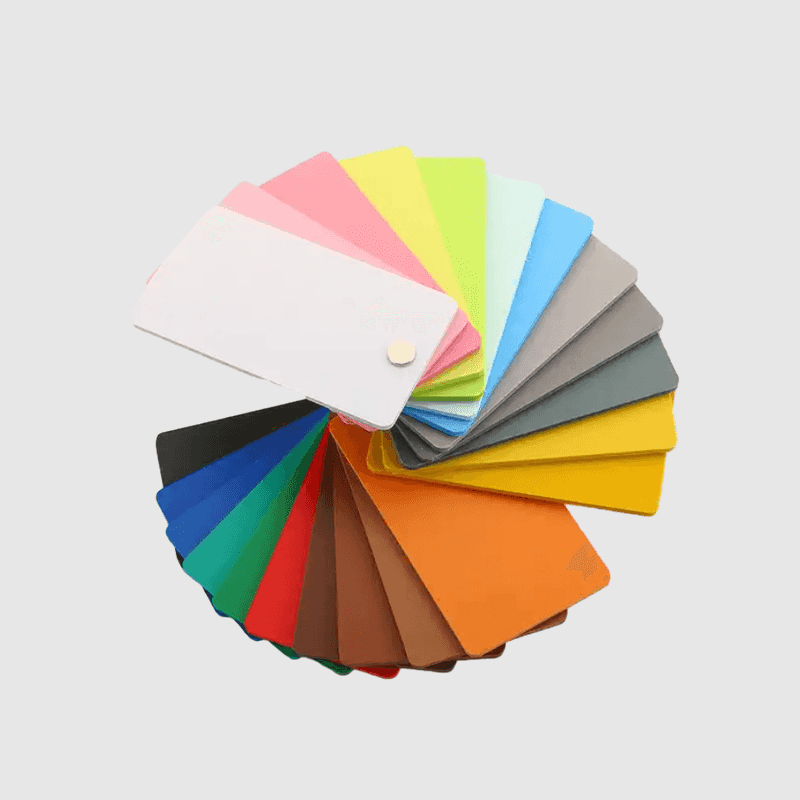
Features: high-quality raw materials, flame retardant, sufficient inventory, moisture-proof and waterproof, support customization. Support LOGO custom...
See Details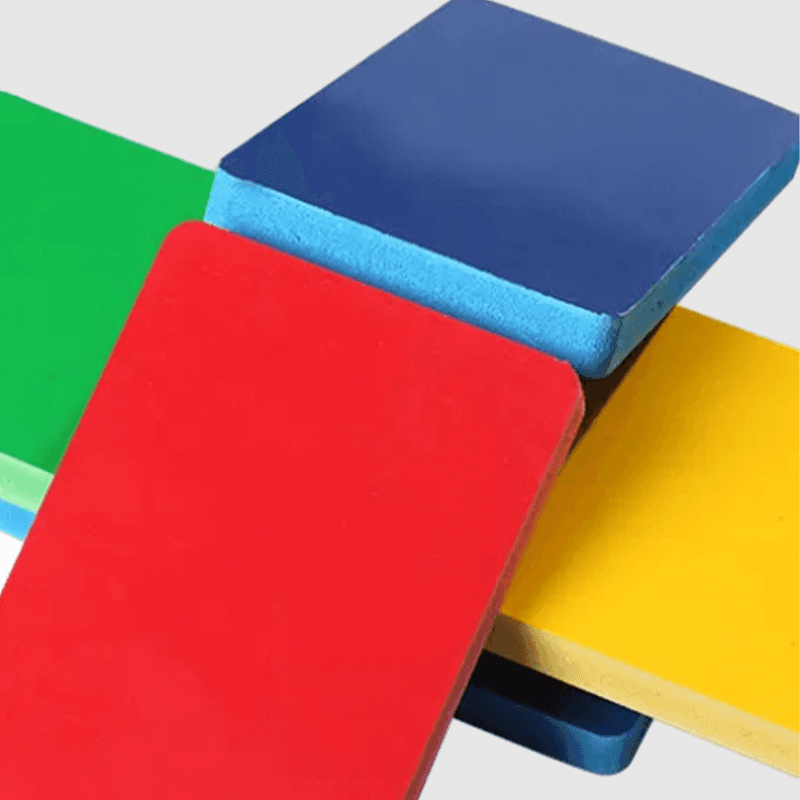
One of the main features of Colored foam board is its light weight. Compared with traditional wooden boards or metal sheets, foam boards are lighter a...
See Details
No.65 Liminba, Yinong Town, Xiaoshan District, Hangzhou, Zhejiang, China
+86-17816178586
Copyright © Jiatao Industry Co., Ltd. All Rights Reserved.
Custom Rigid PVC Plastic Foam Boards Suppliers




Contact Us