

 English
 Español
 عربى
عربى
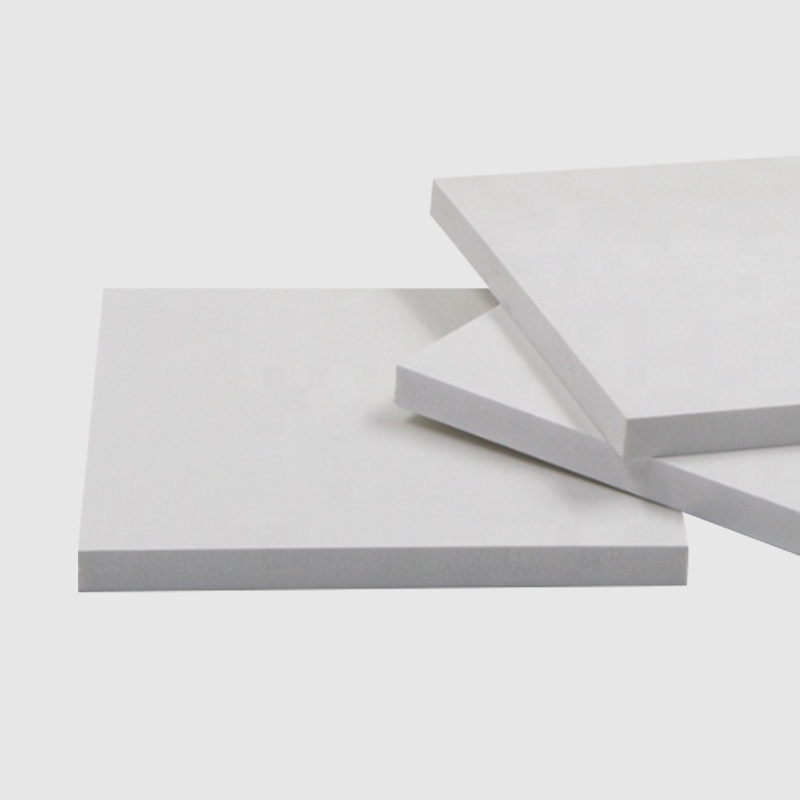
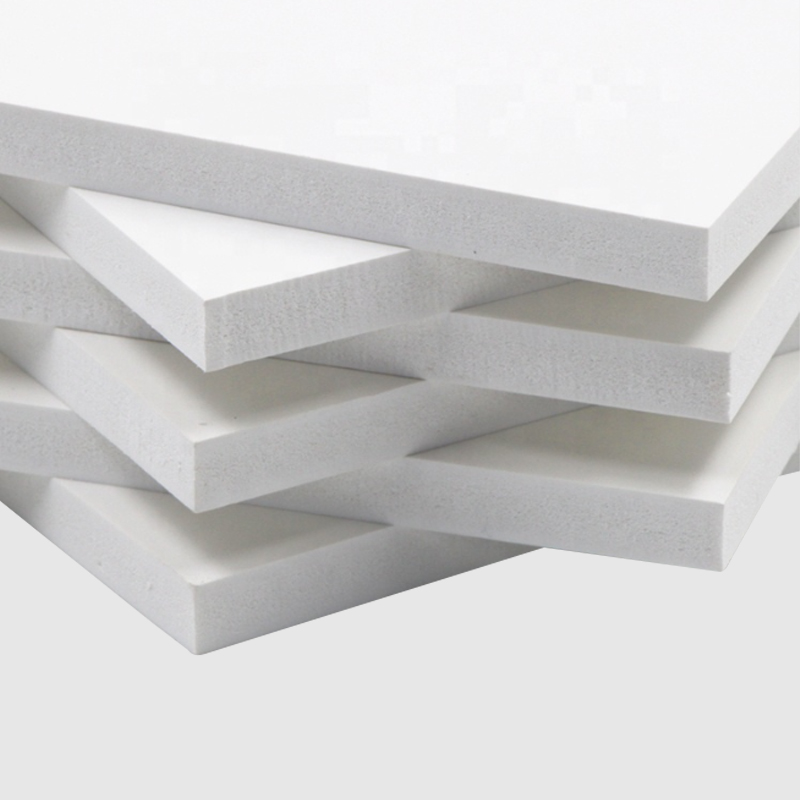
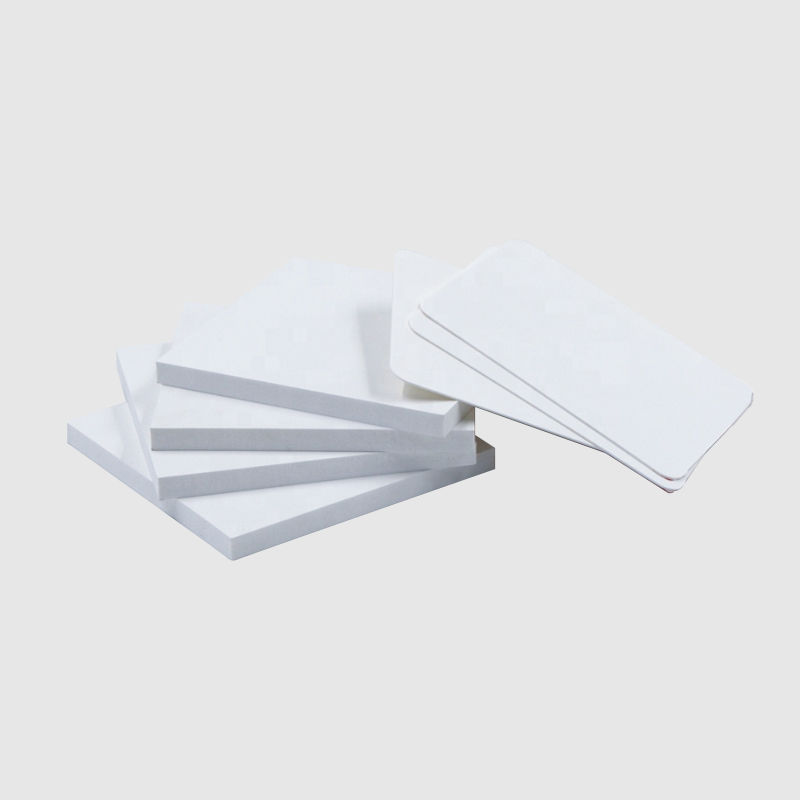
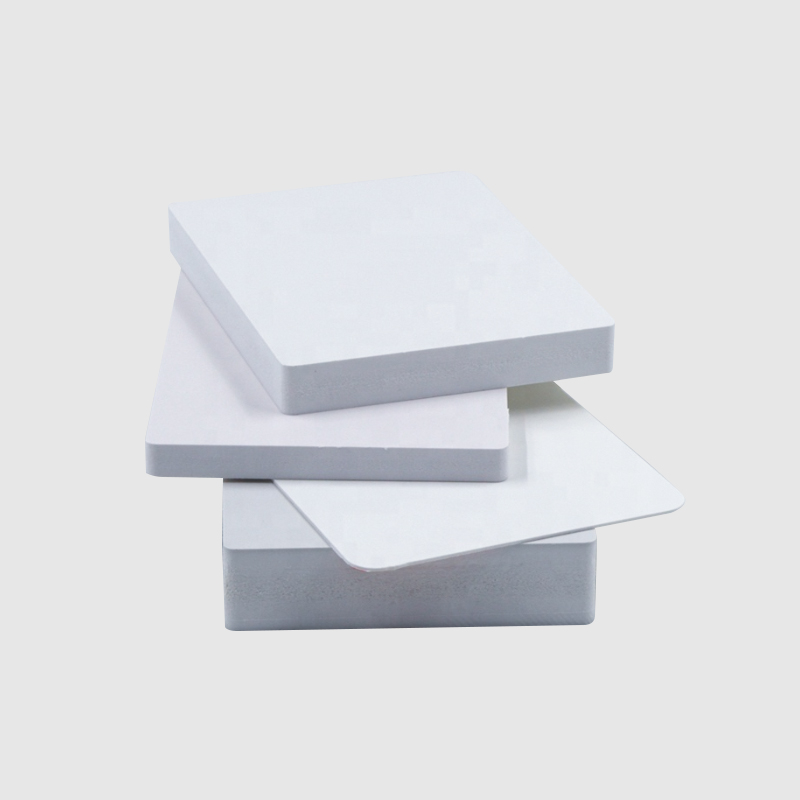
WPC foam board is waterproof, weatherproof, and built to last outdoors. Unlike standard craft foam board or paper-faced foam core, WPC (Wood Plastic Composite) foam board resists moisture, UV radiation, insects, and rot — making it one of the most durable panel materials available for both interior and exterior applications. Craft foam board, by contrast, will degrade quickly when exposed to outdoor conditions. This article covers how WPC foam board is made, how it handles water, and exactly how long you can expect it to perform outside.
Can Foam Boards Get Wet
The answer depends entirely on the type of foam board. There is a wide performance gap between standard foam boards and engineered composite panels like WPC.
| Foam Board Type | Water Resistance | What Happens When Wet | Outdoor Suitability |
|---|---|---|---|
| Paper-faced foam core (craft) | None | Paper delaminates, core swells and crumbles | Not suitable |
| EPS (expanded polystyrene) board | Low — surface only | Absorbs water at edges and cuts, loses structural integrity | Very limited |
| PVC foam board | High | Minimal absorption, stable in wet conditions | Good for sheltered outdoor use |
| WPC foam board | Excellent | No swelling, no delamination, no rot | Fully suitable, including exposed installations |
Standard craft foam board — the type sold in art supply stores with a paper facing — begins to fail the moment it gets wet. The paper skin absorbs water rapidly, blisters, and separates from the polystyrene core. The core itself, while not water-soluble, loses its bond to the facing and offers no structural resistance once the lamination fails. Even brief exposure to rain or high humidity can cause irreversible warping within hours.
WPC foam board, by comparison, has a water absorption rate typically below 0.5% by weight after 24-hour immersion testing per ASTM D570. This near-zero absorption is what makes it reliably weatherproof across seasons.
How Foam Board Is Made
WPC foam board is produced through a continuous extrusion process that is fundamentally different from how simple foam core panels are assembled. Understanding the manufacturing process explains why its performance characteristics are so different from craft or EPS boards.
Raw Material Composition
The base material is a compound of wood fiber (typically 30–60% by weight, sourced from sawdust, rice husks, or bamboo flour), thermoplastic polymers (PVC, PE, or PP), and a chemical foaming agent. Stabilizers, UV inhibitors, lubricants, and pigments are blended in at precise ratios. The wood fiber content gives the board machinability and a natural feel; the polymer matrix provides waterproofing and structural continuity.
Extrusion and Foaming
The compound is fed into a twin-screw extruder where it is heated to 160–190°C. The foaming agent decomposes at this temperature, releasing gas that creates a uniform closed-cell foam structure within the polymer-wood matrix. The extruder die shapes the molten material into a continuous board profile. Closed-cell foam — as opposed to open-cell — is critical: it means water cannot travel through interconnected pores, which is the primary reason WPC foam board is inherently waterproof throughout its cross-section, not just at the surface.
Calibration and Surface Finishing
After exiting the die, the board passes through a calibration table where vacuum and water cooling fix its dimensions precisely. The surface is then brushed, embossed, or co-extruded with a wear-resistant cap layer depending on the product specification. This surface treatment determines the board's scratch resistance and UV stability. A co-extruded ASA (acrylonitrile styrene acrylate) cap layer, for example, adds a UV-stable color layer that resists fading for 10 years or more.
How Craft Foam Board Is Made — and Why It Differs
Standard craft foam board is a laminated sandwich: a polystyrene foam core (expanded using steam, not chemical foaming agents) bonded between two sheets of clay-coated paper or thin plastic film. The lamination adhesive is the weakest point — water penetration breaks this bond. Because the core and facing are separate materials joined by adhesive rather than extruded as a single compound, craft foam board has no inherent moisture resistance.
Will Foam Board Last Outside
For WPC foam board specifically, outdoor durability is one of its primary design intentions. For craft foam board, outdoor use is not a viable option beyond very short-term display purposes.
WPC Foam Board Outdoor Lifespan
Quality WPC foam board products carry manufacturer warranties of 10–25 years for outdoor installation. Real-world performance data from decking and cladding applications — which are among the most demanding outdoor uses — shows that WPC panels consistently meet or exceed these figures in temperate and subtropical climates. The key degradation factors and how WPC addresses them:
- UV exposure: Without protection, the wood fiber component can oxidize and cause surface graying. UV stabilizer packages and co-extruded cap layers prevent this. Boards with ASA or PMMA cap layers show less than 5 Delta E color shift after 5,000 hours of accelerated UV testing (equivalent to roughly 10 years of outdoor exposure).
- Freeze-thaw cycling: Because water absorption is below 0.5%, there is negligible ice expansion within the board during freeze-thaw cycles. WPC foam board passes 50-cycle freeze-thaw tests per ASTM C666 with no cracking or delamination.
- Biological attack: Wood fiber encapsulated in a polymer matrix is inaccessible to fungi and insects. WPC foam board does not rot, and termites cannot digest the polymer-coated wood particles. It passes EN 350 durability classification for biological resistance.
- Thermal expansion: Like all composites, WPC foam board expands and contracts with temperature. A 3m board will expand approximately 1.5–2mm across a 40°C temperature range. Proper installation with expansion gaps (typically 5–8mm per 3m of board) accommodates this movement without buckling.
- Mechanical weathering: Sustained wind-driven rain and hail can erode unprotected surfaces over years. Smooth or lightly textured cap layer surfaces are more resistant than heavily embossed profiles which trap debris.
Conditions That Shorten Outdoor Life
Even WPC foam board performs below its rated life when installed incorrectly. Trapping moisture behind the board with no ventilation gap, using non-stainless fasteners that bleed rust stains onto the surface, or installing without UV-stabilized fixings in high-sun environments are the most common causes of premature failure. The board itself survives; installation errors degrade the appearance and structural fixity.
Will Craft Foam Board Hold Up Outside
No — craft foam board is not designed for outdoor use and will not hold up in exterior conditions regardless of how it is sealed or coated. This is a materials engineering limitation, not a quality issue.
The following outlines what typically happens to craft foam board when used outdoors over time:
- Within hours of rain exposure: Paper facing absorbs water, begins to buckle and blister. The adhesive bond between paper and foam core softens.
- After 1–3 days outdoors: Delamination is visible. The paper facing peels at edges and corners. The polystyrene core yellows from UV exposure — EPS has essentially zero UV resistance.
- After 1–2 weeks: Structural integrity is compromised. The board cannot support its own weight when wet. Any printed or painted surface is destroyed.
- After one season: The board has physically disintegrated in most outdoor climates. In dry desert conditions it may survive longer as a brittle, UV-degraded shell, but with no remaining functional value.
Applying exterior paint or waterproof sealant to craft foam board delays but does not prevent this failure sequence. Any cut edge, pin hole, or surface scratch provides a moisture entry point that undermines the entire coated surface over time. For any outdoor signage, cladding, furniture, or display application intended to last more than a few days, WPC or PVC foam board is the correct material choice.
WPC Foam Board vs Other Outdoor Panel Materials
When selecting a panel for outdoor use, WPC foam board competes primarily with aluminum composite panel, high-pressure laminate (HPL), and PVC foam board. Each has trade-offs:
| Material | Outdoor Lifespan | Water Resistance | Workability | Relative Cost |
|---|---|---|---|---|
| WPC foam board | 10–25 years | Excellent | Excellent — saws, routes, nails like wood | Medium |
| PVC foam board | 8–15 years | Excellent | Good — no nailing, surface printing only | Medium |
| Aluminum composite panel | 15–30 years | Excellent | Limited — requires special tools, no nailing | High |
| HPL (exterior grade) | 10–20 years | Very good | Moderate — brittle, requires substrate | High |
| Craft foam board | Days to weeks | None | Excellent — but irrelevant outdoors | Low |
WPC foam board occupies a practical middle ground: it is easier to cut, fasten, and finish than aluminum or HPL, costs less than metal composites, and outlasts PVC foam board in high-UV environments due to its superior cap layer options. For projects requiring screw-fixing, routing decorative profiles, or painting with standard exterior coatings, WPC foam board has fewer constraints than any competing material in its price range.




Contact Us