

 English
 Español
 عربى
عربى
PVC Cellular Foam Board: Uses, Waterproofing & Key Facts
Article Directory
PVC cellular foam board is NOT the same as ordinary foam board — it is a rigid, closed-cell polyvinyl chloride panel engineered for structural use. It is fully waterproof, resists chemicals, and carries density ratings from 0.35 g/cm³ to 0.80 g/cm³. Its primary uses span construction cladding, signage, furniture, and marine fitouts — anywhere that demands a lightweight yet durable, moisture-immune panel.
What Exactly Is PVC Cellular Foam Board?
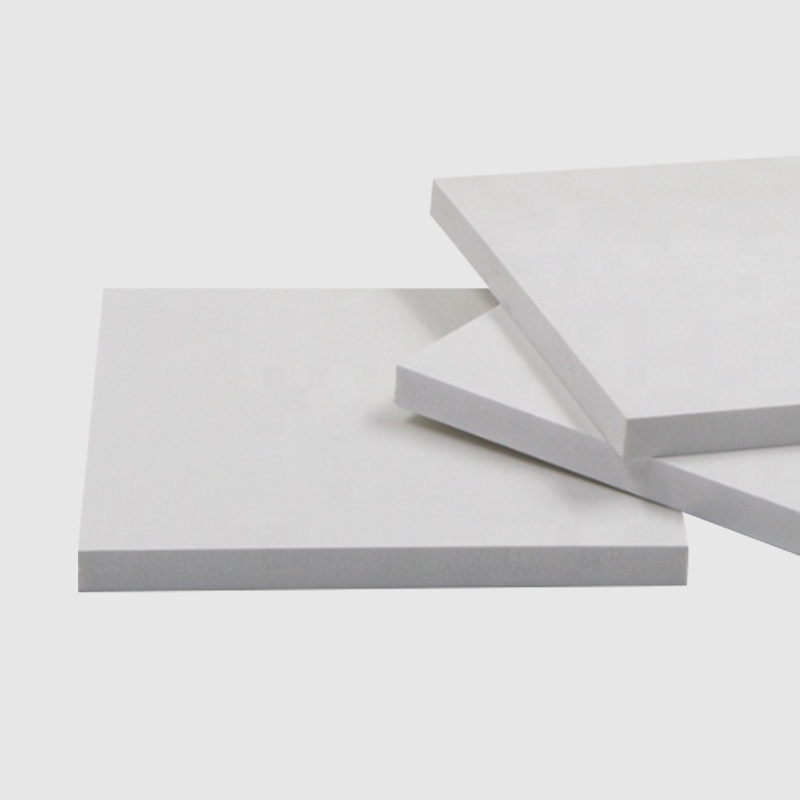
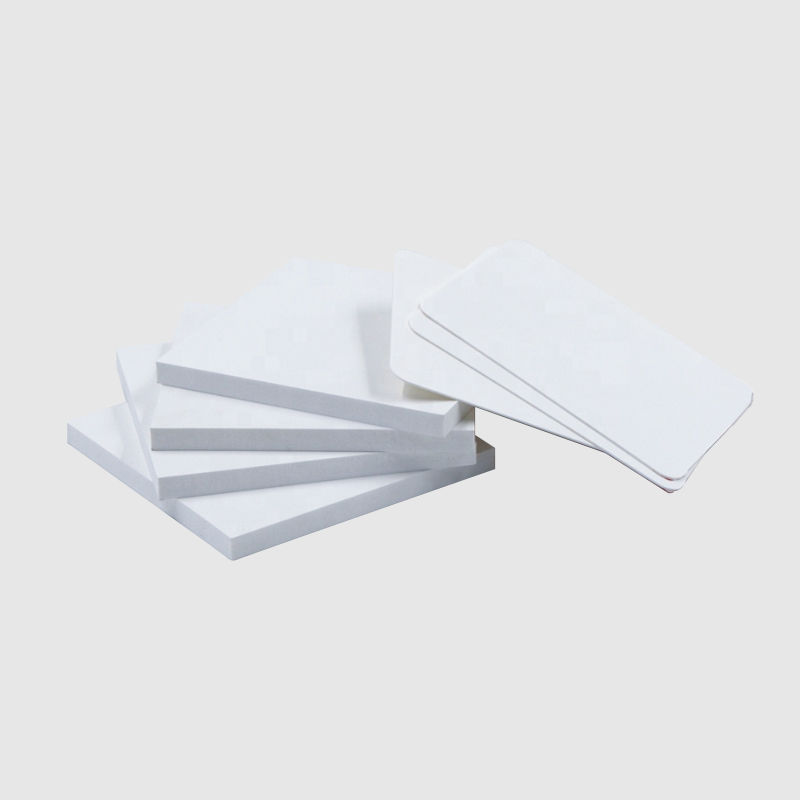
PVC cellular foam board — sometimes called PVC expanded foam board or Forex board — is manufactured through a co-extrusion process in which polyvinyl chloride resin is blended with foaming agents and stabilisers, then extruded to form a panel with a dense outer skin and a fine, closed-cell foam core. This structure is what separates it from both solid PVC sheet and conventional polystyrene foam board.
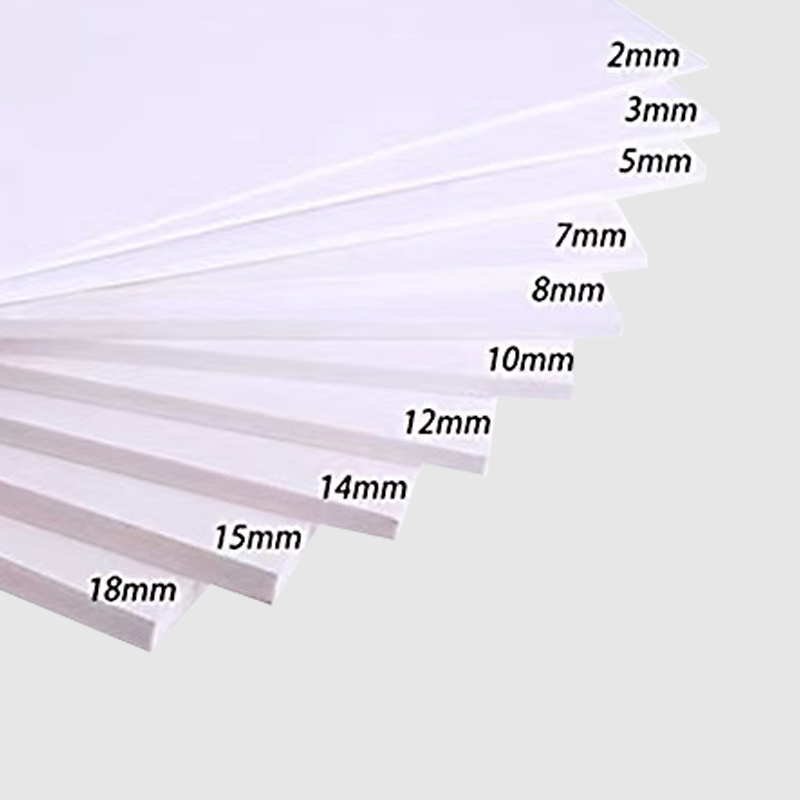
Standard thicknesses run from 1 mm to 40 mm, with widths up to 1,560 mm and lengths up to 3,050 mm. Common density grades are 0.45 g/cm³ (free-foam) and 0.65–0.80 g/cm³ (hard or compressed grades).
Rigid Structure
Hard outer skin gives a wood-like feel; cuts cleanly with saws, routers, and laser cutters.
Fully Waterproof
Closed-cell core absorbs virtually zero moisture — water uptake <1% by volume.
Lightweight
A 10 mm sheet at 0.45 g/cm³ weighs roughly 4.5 kg/m² — about half of equivalent plywood.
Printable Surface
UV-stable surface bonds with solvent, UV, and latex inks without priming.
Is PVC Board the Same as Foam Board?
No — and confusing the two is a costly mistake. The term foam board usually refers to polystyrene or polyurethane foam laminated between paper or foil facings: lightweight, fragile, and intended for temporary displays or craft projects. PVC cellular foam board shares the word "foam" because of its cellular core, but the resemblance ends there.
| Property | PVC Cellular Foam Board | Standard Foam Board (PS/PU) |
|---|---|---|
| Core material | Polyvinyl chloride (PVC) | Polystyrene or polyurethane |
| Surface skin | Rigid PVC co-extruded skin | Paper, foil, or plastic film |
| Density range | 0.35 – 0.80 g/cm³ | 0.02 – 0.05 g/cm³ |
| Rigidity | High (structural) | Low (flexible/fragile) |
| Waterproof | Fully waterproof | Absorbs moisture |
| Screw/nail holding | Yes (higher density grades) | No |
| Outdoor lifespan | 10 – 15 years | Months |
| Typical price (per m²) | USD 8 – 25 | USD 1 – 5 |
| Primary application | Construction, signage, marine | Arts, crafts, temporary displays |
Common Mistake
Specifying ordinary foam board for outdoor signage or bathroom cabinetry will result in delamination and warping within weeks. Always confirm "PVC cellular" or "PVC expanded" when ordering for structural or moisture-exposed applications.
Is PVC Foam Board Waterproof?
Yes — PVC cellular foam board is intrinsically waterproof. The closed-cell structure means individual air pockets are sealed within PVC cell walls, leaving no capillary pathways for water ingress. Independent testing to ISO 62 typically returns a water absorption rate below 0.5% after 24-hour immersion.
In practical terms this means panels can be:
- Installed directly on exterior walls without a vapour barrier
- Used as wet-area wall cladding in bathrooms and commercial kitchens
- Submerged in freshwater environments (boat interiors, pontoon decks)
- Left unedged — cut edges do not absorb moisture
- Cleaned with high-pressure water without surface damage
Real-World Data
A 2022 field study monitoring PVC foam cladding panels on seaside commercial buildings in Qingdao, China, found zero structural degradation and no measurable moisture uptake after 36 months of direct sea-air exposure, compared to 12–18% moisture absorption in MDF control panels over the same period.
Limitations Worth Knowing
While waterproof, PVC cellular foam board has a thermal expansion coefficient of roughly 70 µm/m·°C — higher than wood or aluminium. In large outdoor installations (panels exceeding 2 m), expansion gaps of 3–5 mm per linear metre must be designed in, or joints will buckle in summer heat. Additionally, prolonged UV exposure without a UV-stabilised surface coating can cause surface yellowing, though the panel itself remains structurally sound.
What Is PVC Foam Board Used For?
PVC cellular foam board's combination of lightness, rigidity, and moisture immunity makes it one of the most versatile construction and display materials available. Below are its principal use sectors with concrete application examples.
Construction & Interior Fitout
In construction, PVC foam board substitutes for MDF, plywood, and timber in moisture-prone or hygienic environments. Hospitals and food-processing plants specify it for wall cladding because it is non-porous, easy to clean, and does not harbour mould. Kitchen and bathroom cabinet carcasses built from 18 mm dense-grade PVC foam board (0.65 g/cm³) weigh 35–40% less than MDF equivalents and carry a lifetime moisture warranty from most major manufacturers.
Signage & Visual Communication
The signage industry accounts for the largest single volume of PVC foam board consumption globally. Outdoor billboards, retail point-of-sale displays, real estate boards, and exhibition stands all rely on its flat, printable surface and dimensional stability. A 5 mm free-foam sheet at 1.22 × 2.44 m weighs under 7 kg, enabling single-person installation. Leading brands such as Kömmerling (Foamalux) and 3A Composites (Forex) dominate this segment.
Marine & Outdoor Furniture
Boat interior panels, galley cabinetry, and helm consoles are increasingly built from marine-grade PVC cellular foam board (density ≥ 0.65 g/cm³) because it does not rot, corrode, or delaminate when exposed to bilge water and salt air. In outdoor furniture, it replaces teak and aluminium for table tops and bench seats in commercial settings where maintenance budgets are low.
Advertising Displays & Exhibition Stands
Trade show booth builders favour PVC foam board for modular wall systems and counter builds. Its surface can be direct-printed, vinyl-wrapped, painted, or laminated. The material routes cleanly to 0.1 mm tolerances on CNC machines, enabling interlocking components that assemble without hardware.
Industrial Partitions & Cleanroom Panels
In pharmaceutical and electronics cleanrooms, PVC foam partitions are valued for their chemical resistance to acids, alkalis, and most solvents, plus their antistatic surface options. A 20 mm panel with fire-rated additive package (B1/DIN 4102 classification) satisfies many Class ISO 6–8 cleanroom enclosure standards.
Key Technical Specifications at a Glance
| Parameter | Free-Foam Grade (0.45 g/cm³) | Hard/Dense Grade (0.65–0.80 g/cm³) |
|---|---|---|
| Density | 0.40 – 0.50 g/cm³ | 0.65 – 0.80 g/cm³ |
| Tensile strength | ~15 MPa | ~25 MPa |
| Flexural modulus | 900 – 1,200 MPa | 1,400 – 1,800 MPa |
| Water absorption (ISO 62) | < 0.5% | < 0.3% |
| Service temperature | -30 °C to +60 °C | -30 °C to +60 °C |
| Fire rating (typical) | B2 (DIN 4102) standard | B1 available with additive |
| Thermal conductivity | 0.10 – 0.15 W/m·K | 0.15 – 0.18 W/m·K |
| Screw pullout strength | Low — not recommended | 280 – 400 N (5 mm screw) |
| Typical available thickness | 1 – 25 mm | 3 – 40 mm |
How to Select the Right Grade for Your Project
Selecting the wrong density grade is the most common specification error. Use this decision framework:
Signage & Print
Free-foam 3–5 mm (0.45 g/cm³). Prioritise flat surface, low weight, and printability.
Wet Area Cladding
Dense grade 10–18 mm (0.65 g/cm³). Needs screw-holding strength and impact resistance.
Marine Fitout
Dense or compressed grade 18–25 mm. Choose white or light colour to minimise heat absorption.
Fire-Rated Applications
Specify B1 fire-rated grade explicitly. Standard PVC foam is only B2 unless additives are confirmed.
Buying Tip
Always request the manufacturer's technical data sheet (TDS) and confirm density, fire rating, and UV stabilisation status before ordering. Product names like "Forex", "Foamalux", "Sintra", and "Celtec" all refer to PVC cellular foam board but may differ in formulation and performance grade.
Recommended NEWS:
PVC Free Foam Board's multiple applications and environmental advantages in the field of transportation
What environmental measures are used in the production of White Laminated PVC Free Foam Boards?
White Laminated PVC Free Foam Boards: Environmentally friendly and sustainable production
The price of PVC Foam Board is affected by the cost of raw materials
Custom Laminated PVC Foam Board: A versatile material with excellent waterproof performance
Fireproofing of Custom Laminated PVC Foam Boards
Related Products
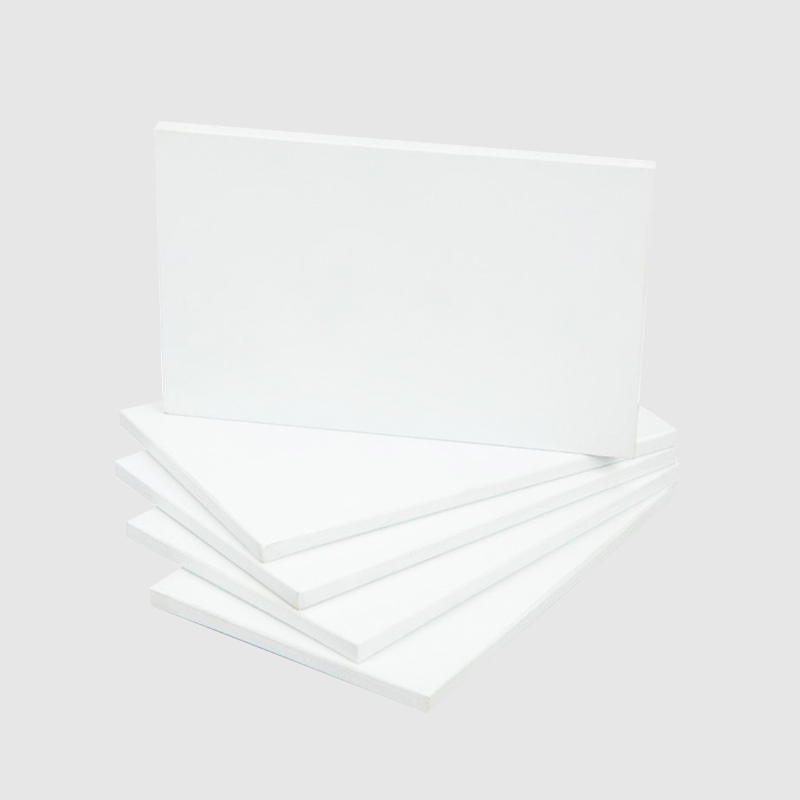
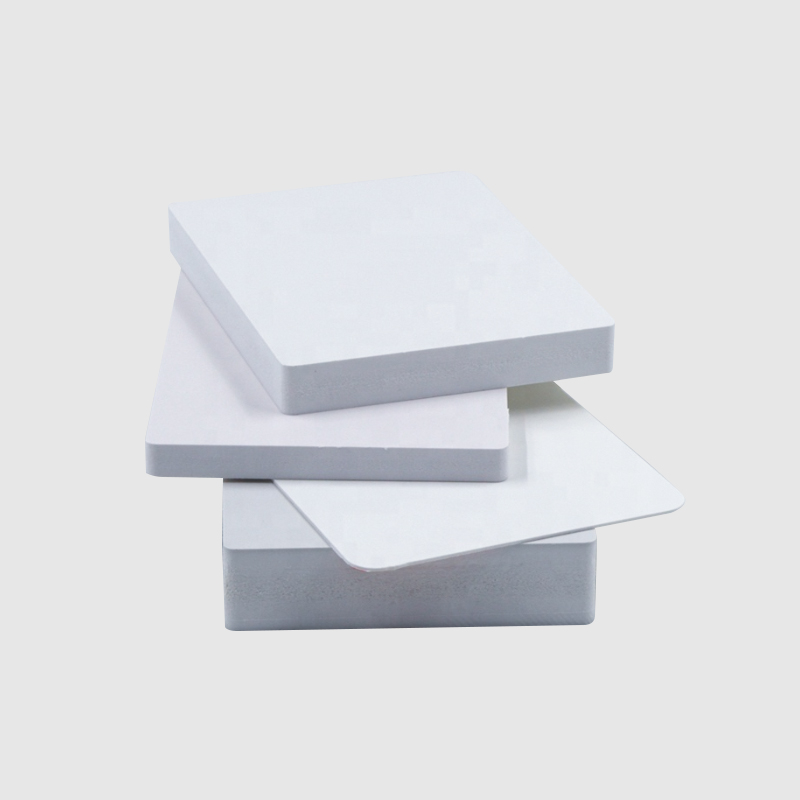

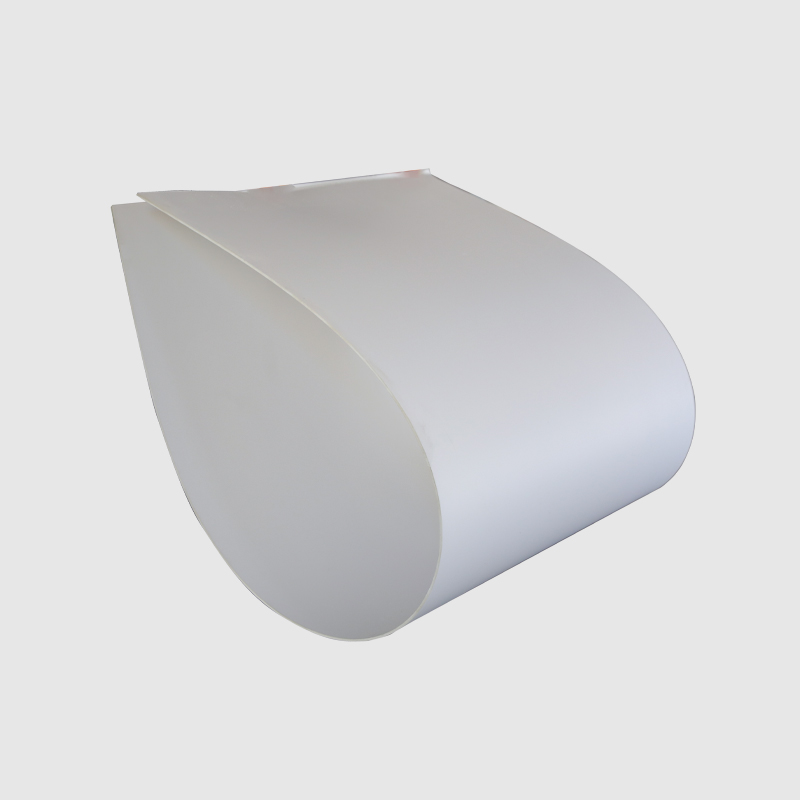
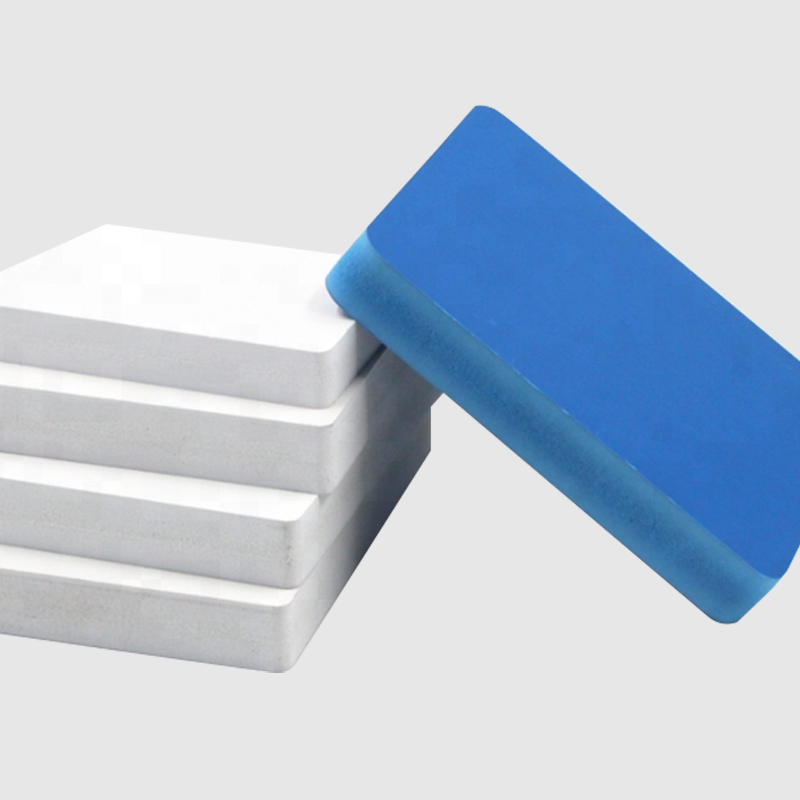

Jiatao Industry Co., Ltd. is a professional manufacturer of polyvinyl chloride plastic boards in China, dedicated to the production of PVC foam boards, plastic wood foamboards, as well as colorful pVC for extruded foam board sheet manufacturers.
-
ADDRESS
No.65 Liminba, Yinong Town, Xiaoshan District, Hangzhou, Zhejiang, China
-
EMAIL
-
PHONE
+86-17816178586
MOBILE SITE



Copyright © Jiatao Industry Co., Ltd. All Rights Reserved.
Custom Rigid PVC Plastic Foam Boards Suppliers

Contact Us