

 English
 Español
 عربى
عربى
PVC Foam Sheet: Density, Durability & Signage Guide
Article Directory
- 1 PVC Foam Sheet Density: Choosing the Right Grade for Your Application
- 2 Durability That Outlasts the Competition
- 3 Weather Resistance: Engineered for Outdoor Permanence
- 4 PVC Foam Sheet for Signage: Why It Is the Industry Standard
- 5 PVC Foam Sheet Machining: Capabilities and Tool Specifications
- 6 PVC Foam Sheet vs Acrylic Sheet: Direct Specification Comparison
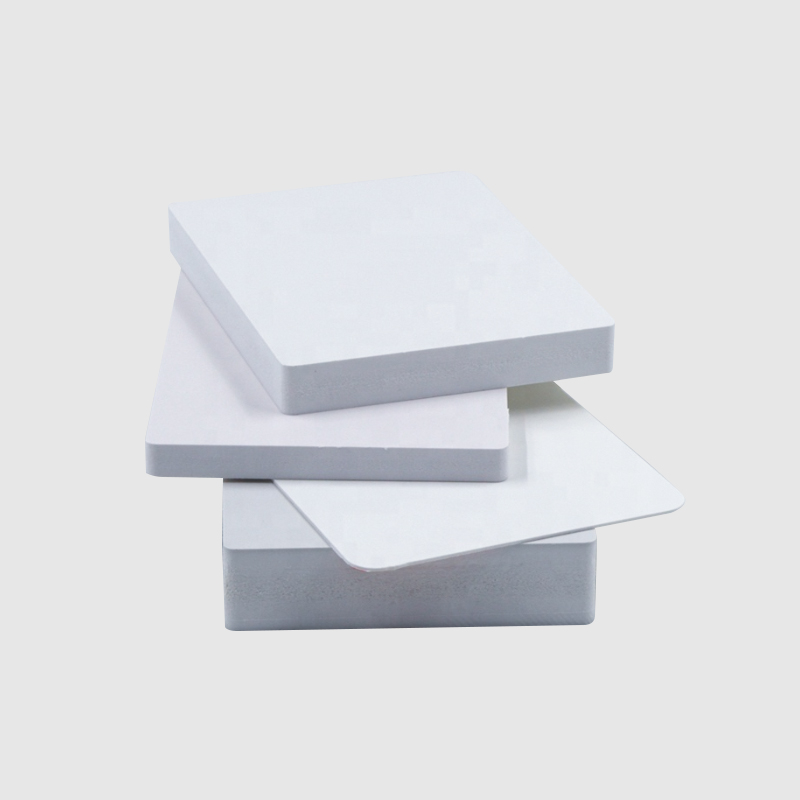
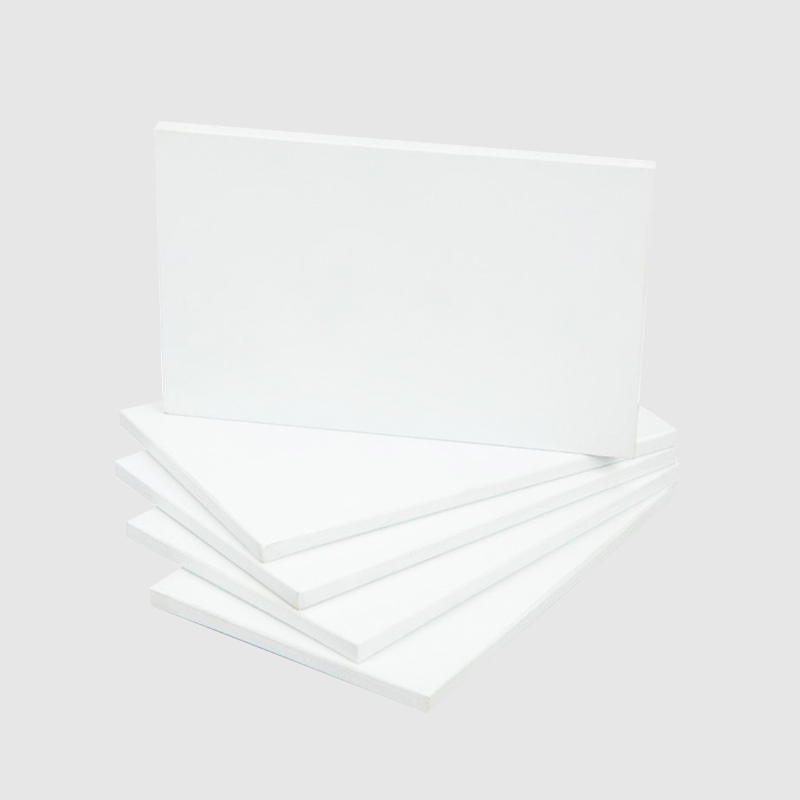
PVC foam sheet is a closed-cell, extruded polyvinyl chloride panel with a rigid, smooth surface and a lightweight foam core — engineered to deliver the workability of wood, the weather resistance of plastic, and the print receptivity of coated board, all in a single material that machines cleanly, bonds reliably, and performs outdoors without degradation for a decade or more.
PVC Foam Sheet Density: Choosing the Right Grade for Your Application
Density is the primary specification variable in PVC foam sheet selection. It determines rigidity, surface hardness, machinability, screw-holding strength, and weight per panel — and choosing the wrong density grade is the most common source of field performance failures in sign and fabrication applications.
Grade Density Range Surface Hardness Primary Use
Light 0.35 – 0.45 g/cm³ Soft, slight flex Indoor display, foam-core replacement
Standard 0.45 – 0.55 g/cm³ Semi-rigid, printable Signage panels, exhibition boards
High 0.55 – 0.65 g/cm³ Rigid, machinable Routed signs, cabinetry, furniture
Ultra 0.70 – 0.85 g/cm³ Near-solid, screw-holding Industrial components, structural panels
Standard-density PVC foam sheet at 0.45–0.55 g/cm³ covers the majority of sign and display applications. For CNC routing, dimensional lettering, and applications requiring fastener retention, high-density grades at 0.55–0.65 g/cm³ are specified. Ultra-dense grades above 0.70 g/cm³ behave more like solid PVC sheet and are used in engineering and marine applications where maximum stiffness-to-weight ratio is required.
Durability That Outlasts the Competition
PVC foam sheet resists the failure modes that degrade alternative materials over time: it does not absorb moisture, does not rot, does not corrode, and does not delaminate. The closed-cell foam structure physically prevents water ingress at the panel interior, while the extruded PVC skin provides a chemically inert surface that resists oils, cleaning agents, and mild acids without surface degradation.
10 – 15
Years
Outdoor service life under direct UV and weather exposure with UV-stabilized formulation
0%
Water Absorption
Closed-cell structure prevents moisture uptake in immersion and high-humidity environments
-40 to +60
Degrees C
Operational temperature range without structural distortion or surface crazing
In accelerated aging tests conducted to ASTM D4329, UV-stabilized PVC foam sheet retains over 85% of original tensile strength and surface gloss after 2,000 hours of UV exposure — equivalent to approximately 5 years of full outdoor exposure in temperate climates. Non-stabilized grades are recommended for indoor applications only.
Weather Resistance: Engineered for Outdoor Permanence
Weather resistance in PVC foam sheet is a function of formulation, not thickness. UV stabilizers and TiO2 pigment loading in the extrusion compound determine how long the surface retains color, gloss, and dimensional integrity under continuous solar radiation, thermal cycling, and moisture exposure.
Field Data
White UV-stabilized PVC foam sheet installed as outdoor signage substrate in coastal Mediterranean environments — combining UV radiation, salt spray, and seasonal temperature swings of 40°C — has demonstrated less than 3 Delta E units of color shift after 5 years of unshielded installation, meeting the color permanence threshold required by most retail and franchise signage programs.
Key weather resistance properties that distinguish specification-grade from commodity PVC foam sheet include UV stabilizer concentration (minimum 0.3% by weight), TiO2 loading for opacity and UV reflection (typically 8–12%), and surface skin thickness — thicker skins resist surface chalking and micro-cracking that begin the degradation cycle in lower-grade panels.
PVC Foam Sheet for Signage: Why It Is the Industry Standard
The global sign industry specification of PVC foam sheet as its default substrate is not convention — it is the outcome of decades of performance comparison against aluminium composite, corrugated plastic, MDF, and solid PVC. No alternative material delivers the same combination of print receptivity, machinability, dimensional stability, and cost per square meter.
- Flatbed UV printing: The smooth, closed-cell surface accepts UV-curable inks without priming on standard and high-density grades, producing sharp dot reproduction and high adhesion values above 3B on cross-cut tape tests.
- Solvent and latex printing: Surface energy of 38–42 mN/m on standard grades ensures excellent ink adhesion for wide-format solvent, eco-solvent, and latex print systems without corona or flame treatment.
- Vinyl application: Low surface porosity and consistent flatness prevent adhesive bleed and trapped air bubbles, making PVC foam the preferred substrate for pressure-sensitive vinyl overlaminates and cut vinyl lettering.
- Dimensional lettering and CNC routing: High-density grades rout cleanly at standard carbide tooling speeds of 18,000–24,000 RPM with minimal burring, enabling production of channel letters, logo cutouts, and shaped panels without post-process finishing.
- Outdoor post and panel signs: Thickness options from 3 mm to 19 mm cover every standard sign framing system, and the material accepts standard screw and rivet fasteners without pre-drilling cracking on grades above 0.50 g/cm³.
PVC Foam Sheet Machining: Capabilities and Tool Specifications
PVC foam sheet machines with standard woodworking and plastics tooling — no specialized equipment is required. The material cuts, routes, drills, saws, and thermoforms predictably across its full density range, with higher-density grades producing cleaner edges and finer detail at equivalent feed rates.
Cutting Circular saw with fine-tooth TCT blade (60–80T for 8 mm+), table saw, or utility knife score-and-snap for sheets up to 5 mm. Feed rate: 3–6 m/min. No coolant required.
CNC Routing Single-flute upcut spiral carbide bit, 18,000–24,000 RPM, feed rate 5–10 m/min depending on density. Produces clean edges without delamination or melting on standard and high-density grades.
Drilling Standard HSS or carbide-tipped twist bits. Backing board recommended to prevent exit-face tear-out. Self-tapping screws grip reliably in grades above 0.55 g/cm³ without anchors.
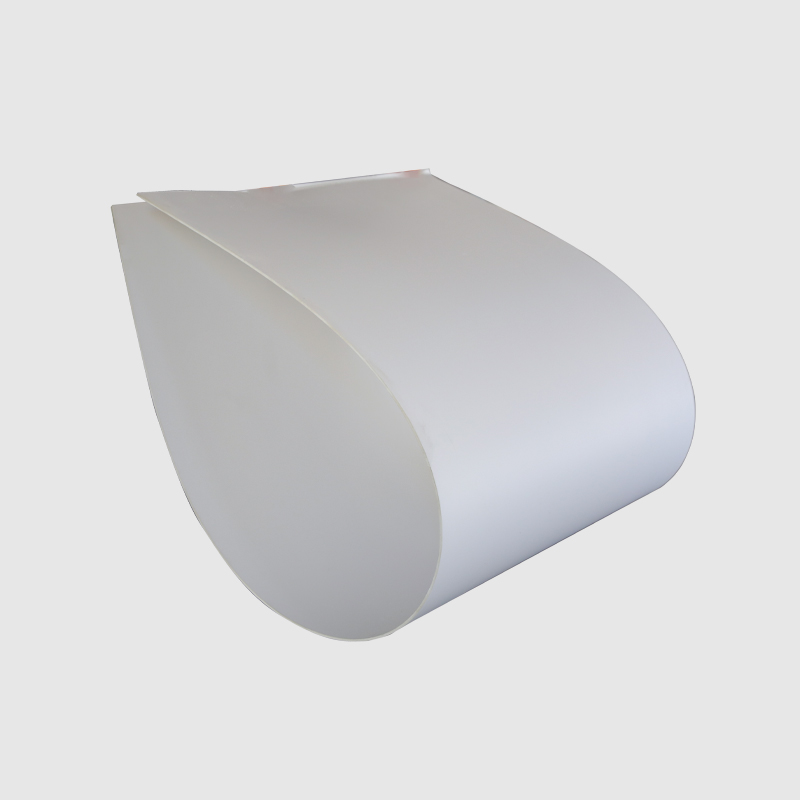
Thermoforming Heat to 130–160°C with infrared or convection oven, form over mold within 30–60 seconds of removal. Retains formed shape permanently on cooling. Suitable for curved sign faces and 3D display elements.
Bonding Solvent cement (MEK or PVC solvent), contact adhesive, or acrylic-based structural adhesive. Surface sanding to 150 grit before bonding improves adhesion on all grades. Double-sided acrylic tape suitable for lightweight assemblies.
PVC Foam Sheet vs Acrylic Sheet: Direct Specification Comparison
The choice between PVC foam sheet and acrylic sheet is a functional specification decision. Both are thermoplastic panel materials widely used in signage and display, but their physical properties, processing requirements, and cost profiles suit fundamentally different applications.
| Property | PVC Foam Sheet | Acrylic Sheet |
| Density | 0.35 – 0.85 g/cm³ (foam core) | 1.18 g/cm³ (solid) |
| Weight per m² at 6 mm | 2.7 – 5.1 kg | 7.1 kg |
| Impact Resistance | High — absorbs impact without shattering | Low — brittle fracture under impact |
| Optical Clarity | Opaque only | Up to 92% light transmission |
| UV Resistance | Good (UV-stabilized grades) | Excellent — inherently UV stable |
| Machining Ease | Easy — standard woodworking tools | Moderate — requires sharp tooling, careful feeds |
| Print Receptivity | Excellent without priming | Requires flame or corona treatment |
| Cost per m² (6 mm) | Lower | 2 to 3x higher |
| Best Application | Signage, display, cladding, routing | Illuminated signs, glazing, retail display |
FAQ: PVC Foam Sheet
What thickness options are standard for PVC foam sheet?
Standard production thicknesses for PVC foam sheet range from 1 mm to 25 mm, with the most commonly stocked sizes being 3 mm, 5 mm, 6 mm, 8 mm, 10 mm, 13 mm, 15 mm, and 19 mm. Sheet sizes are typically 1220 x 2440 mm (4 x 8 ft) and 1560 x 3050 mm, with custom sizes available from most manufacturers. Thickness tolerance for standard grades is plus or minus 0.2 mm across the full panel.
Can PVC foam sheet be painted or coated after fabrication?
Yes. PVC foam sheet accepts water-based acrylic paint, two-part polyurethane coatings, and spray enamels directly on sanded surfaces without priming on most grades. For high-gloss or automotive-quality finishes, a light sand to 220 grit followed by a PVC-compatible adhesion promoter ensures maximum coating adhesion and gloss retention. Solvent-heavy coatings such as lacquer thinners or ketone-based paints should be avoided as they can cause surface crazing.
Is PVC foam sheet fire rated for building applications?
Fire-rated PVC foam sheet grades are available that meet EN 13501-1 Class B-s1, d0 and ASTM E84 Class A or Class B requirements, depending on formulation and thickness. Standard commercial grades without fire retardant additives are typically Class C or Class D under EN 13501-1. For building interior cladding, ceiling tiles, or any application governed by building codes, specifiers must confirm the fire classification of the specific grade and thickness being used.
How should PVC foam sheet be stored to prevent warping?
PVC foam sheet should be stored flat on a level surface or vertically on edge with full-length support along at least three evenly spaced contact points. Horizontal stacking on uneven supports or cantilever storage causes permanent sag in sheets thinner than 6 mm. Storage temperature should be kept below 40°C, as sustained heat above this threshold causes gradual thermal creep in standard-density grades. Sheets should be acclimated to the installation environment temperature for 24 hours before fabrication to minimize dimensional change post-installation.
Recommended NEWS:
In public facility construction and home decoration, how does Waterproof PVC Celuka Foam Sheets meet the dual needs of waterproofing and sound insulation?
Application of White High-Tech PVC Plastic Foam Sheets in Advertising and Exhibition Display
PVC Free Foam Board's multiple applications and environmental advantages in the field of transportation
White Laminated PVC Free Foam Boards: Environmentally friendly and sustainable production
What factors affect the appearance of High Density Waterproof PVC Composite Boards Wall Panel?
PVC cellular board: a multi-field application material with excellent durability
Related Products
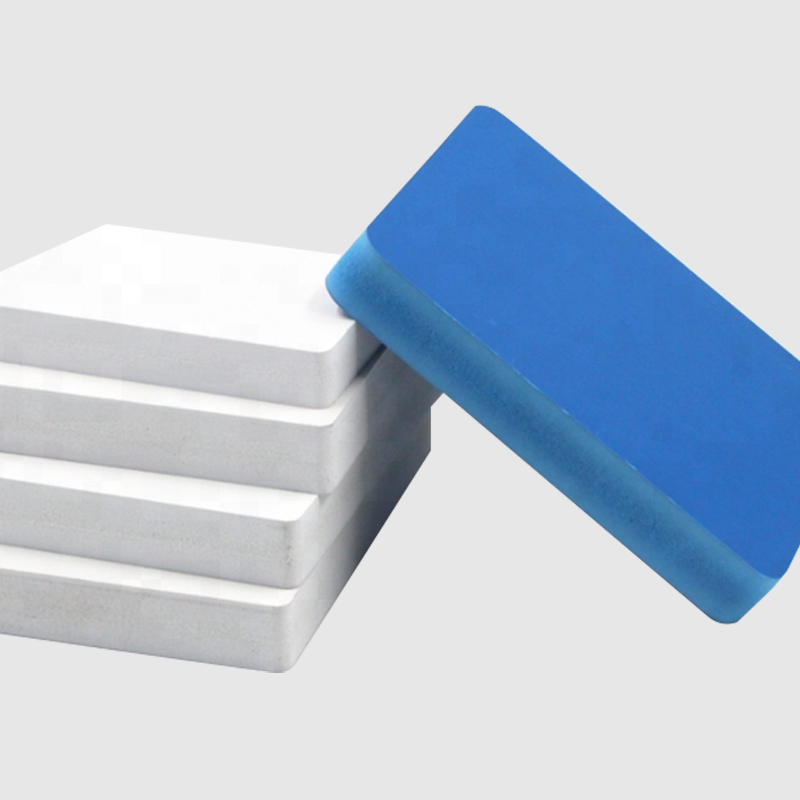
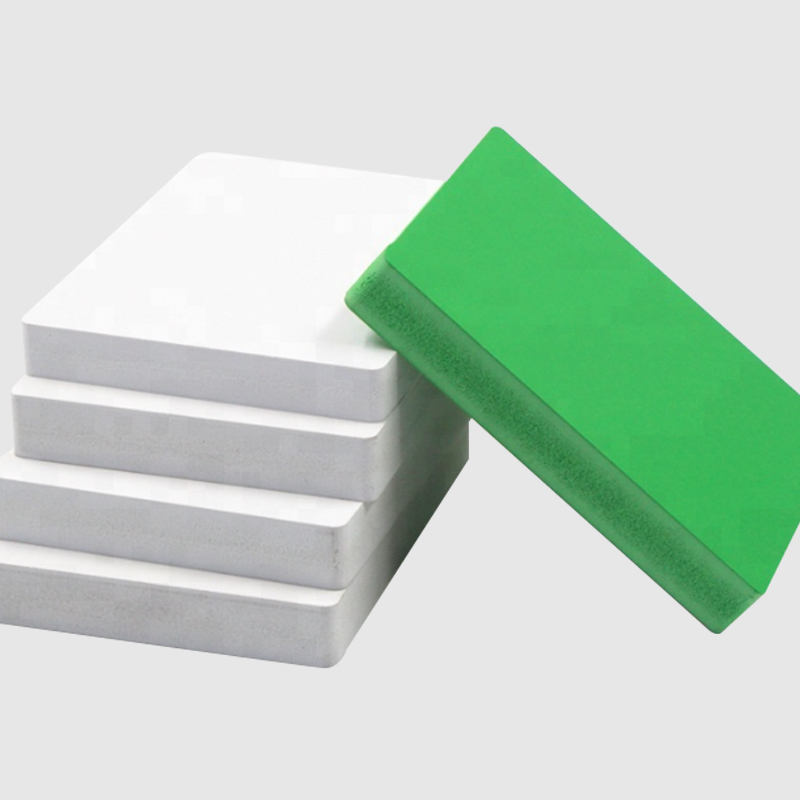
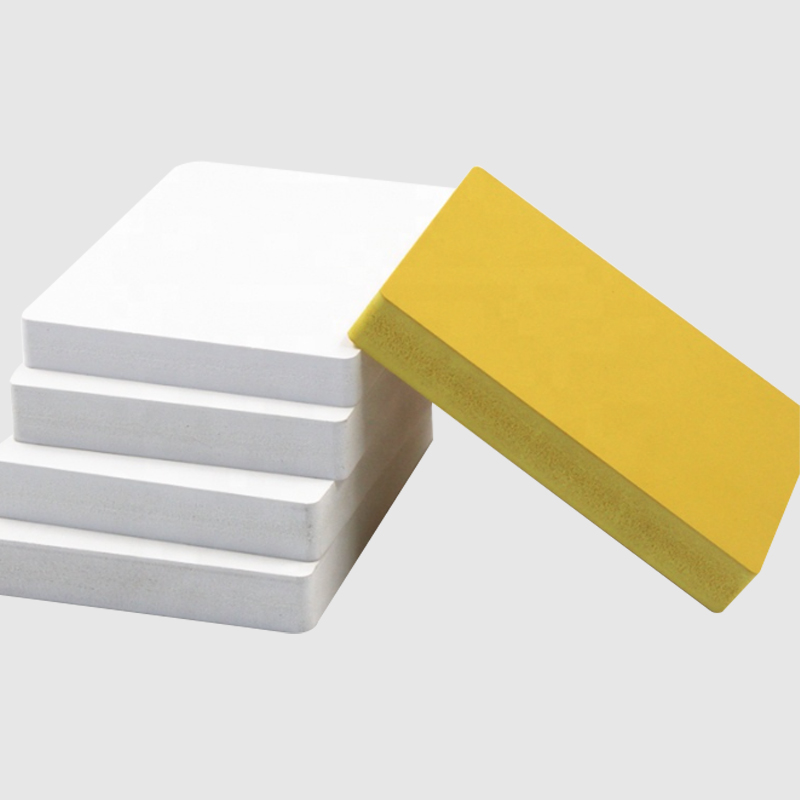
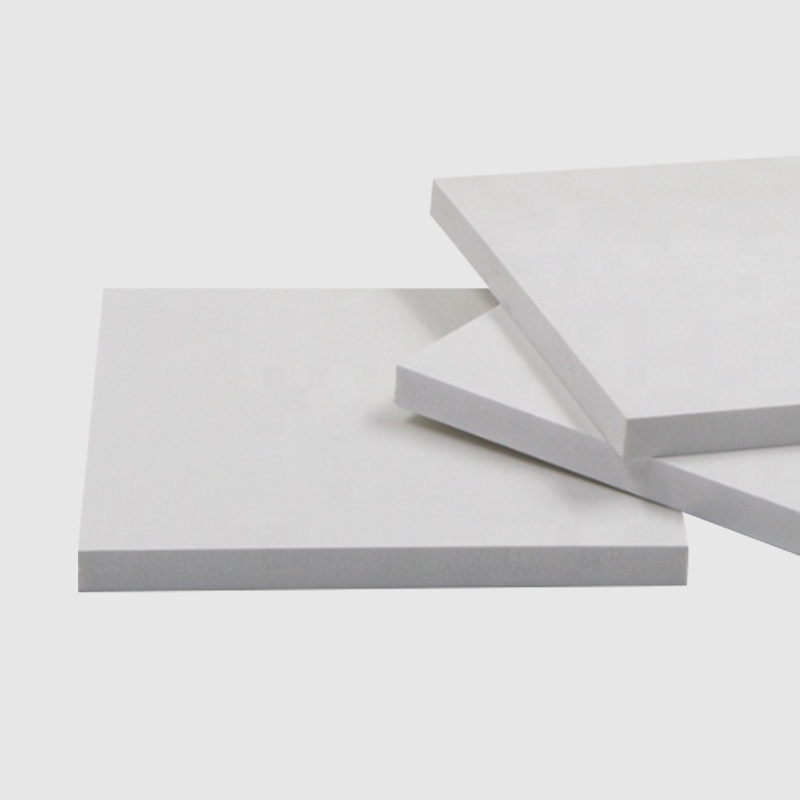

Jiatao Industry Co., Ltd. is a professional manufacturer of polyvinyl chloride plastic boards in China, dedicated to the production of PVC foam boards, plastic wood foamboards, as well as colorful pVC for extruded foam board sheet manufacturers.
-
ADDRESS
No.65 Liminba, Yinong Town, Xiaoshan District, Hangzhou, Zhejiang, China
-
EMAIL
-
PHONE
+86-17816178586
MOBILE SITE



Copyright © Jiatao Industry Co., Ltd. All Rights Reserved.
Custom Rigid PVC Plastic Foam Boards Suppliers

Contact Us