

 English
 Español
 عربى
عربى
Cat:PVC Foam Board
Features: a very simple core material with good mechanical properties, easy to carve to make 3D exhibits, compatible with all standard resin systems. ...
See DetailsArticle Directory
Sign makers, exhibition builders, and construction contractors all reach for the same lightweight, easy-to-work material when they need a smooth, paintable, weatherproof surface: White PVC Foam Board. Its closed-cell foam structure gives it a rare combination of rigidity, low weight, and resistance to moisture that few other sheet materials can match at the same price point.
White PVC foam board is fully waterproof because it is made from a closed-cell foamed PVC core that does not absorb water, expand, or rot when exposed to rain, humidity, or direct ground contact. This makes it suitable for many outdoor applications, including temporary signage, exterior cladding panels, and display boards used in exhibitions and storefronts.
For prolonged outdoor exposure, UV stabilizers added during manufacturing help white PVC foam board resist yellowing and surface chalking, though boards used permanently outdoors benefit from a protective coating or paint layer to maintain long-term appearance.
White PVC foam board is durable enough for a wide range of construction applications, particularly those involving interior partitioning, ceiling panels, bathroom cladding, and formwork for concrete casting. The board resists impact better than many people expect from a foam material, since the dense outer skin formed during the foaming process gives it a hard, scratch-resistant surface over a lighter core.
Yes, PVC foam board is one of the most commonly used substrates for signage and advertising printing because its smooth, non-porous white surface accepts direct UV printing, vinyl application, and screen printing with excellent color reproduction and edge sharpness.
White PVC foam board provides a flat, lightweight, and rigid printing surface that can be easily cut into custom shapes, mounted with standoffs, or framed, making it a standard choice for indoor and short-to-medium-term outdoor signage.
Its rigidity also means printed boards stay flat without warping, even at large sizes, which is a common issue with thinner plastic or paper-based sign materials.
While both materials are used for signage and display applications, PVC foam board and acrylic sheet differ in weight, transparency, and cost.
For applications requiring transparency, such as protective barriers or display cases, acrylic sheet remains the better choice, but for printed graphics, panel cladding, or lightweight construction, White PVC Foam Board offers a more practical balance of cost, weight, and workability.
White PVC foam board has a moderate degree of flexibility, allowing thinner sheets to be gently curved for rounded display structures without cracking. However, sharp folds or excessive bending beyond the material's flex tolerance can cause the surface skin to crack or the foam core to fracture internally, particularly in colder temperatures when the board becomes slightly more rigid. Thicker boards are more rigid and resistant to bending but become more prone to cracking if forced beyond their flex limit, so curved applications generally call for thinner sheet thicknesses.
White PVC foam board is straightforward to cut and fabricate using common workshop tools, provided a few practical steps are followed.
Use a sharp utility knife for thin boards or a fine-tooth circular saw blade for thicker sheets to produce clean edges without tearing the foam.
Keep the sheet fully supported across its surface during cutting to prevent the foam core from cracking under unsupported sections.
When using power tools, slower feed rates reduce heat buildup that can melt or deform the cut edge of the PVC foam.
Use PVC-compatible solvent adhesives or epoxy for joining panels, since standard wood glues do not bond effectively to the foam surface.
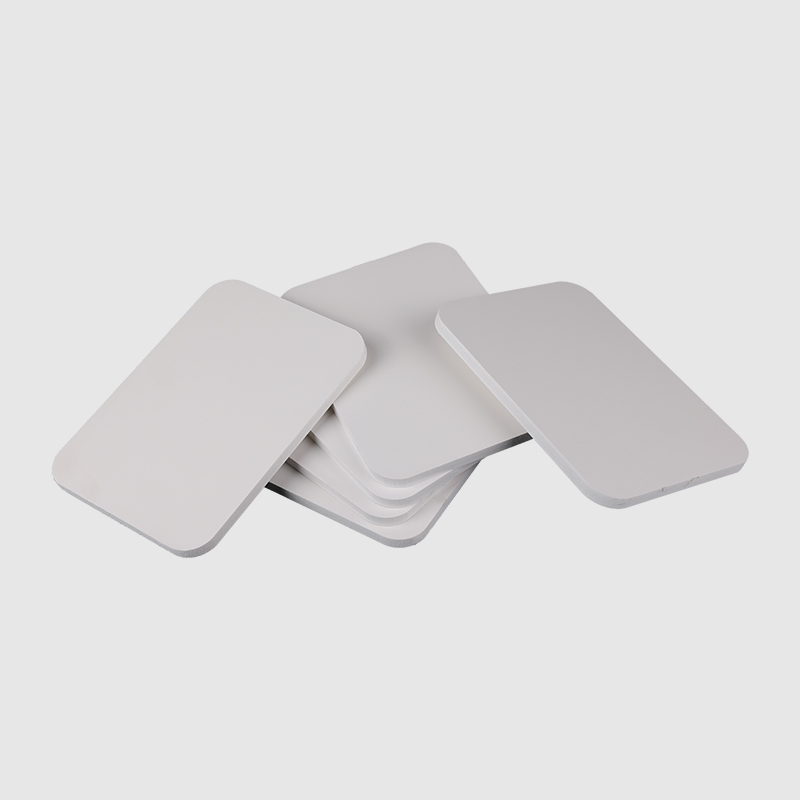
Features: a very simple core material with good mechanical properties, easy to carve to make 3D exhibits, compatible with all standard resin systems. ...
See Details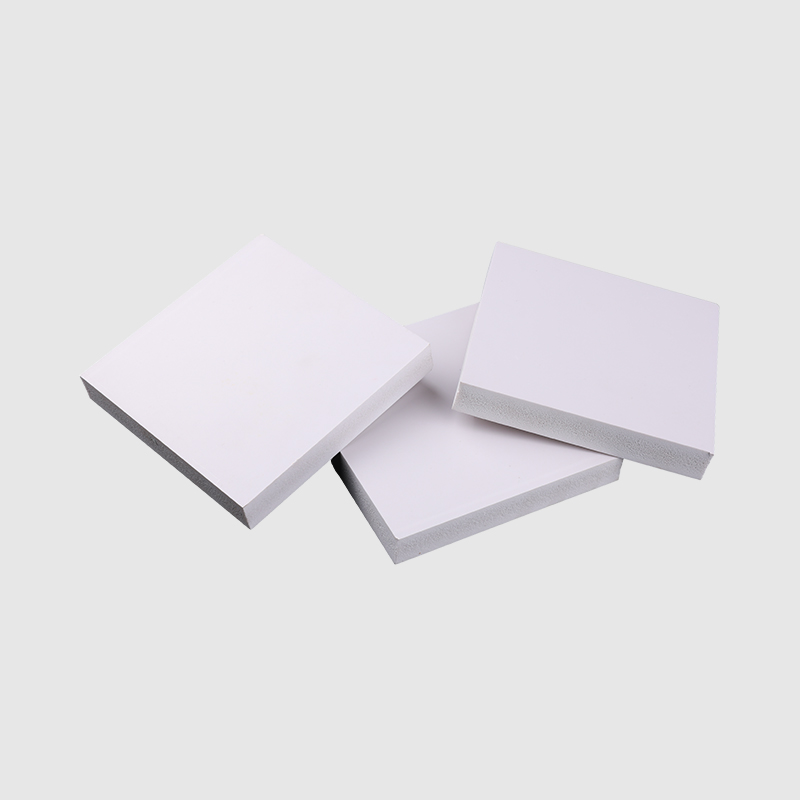
The 18mm Glossy Rigid PVC Embossed Board is a specialized thermoplastic panel engineered for the precision requirements of the modern furniture indust...
See Details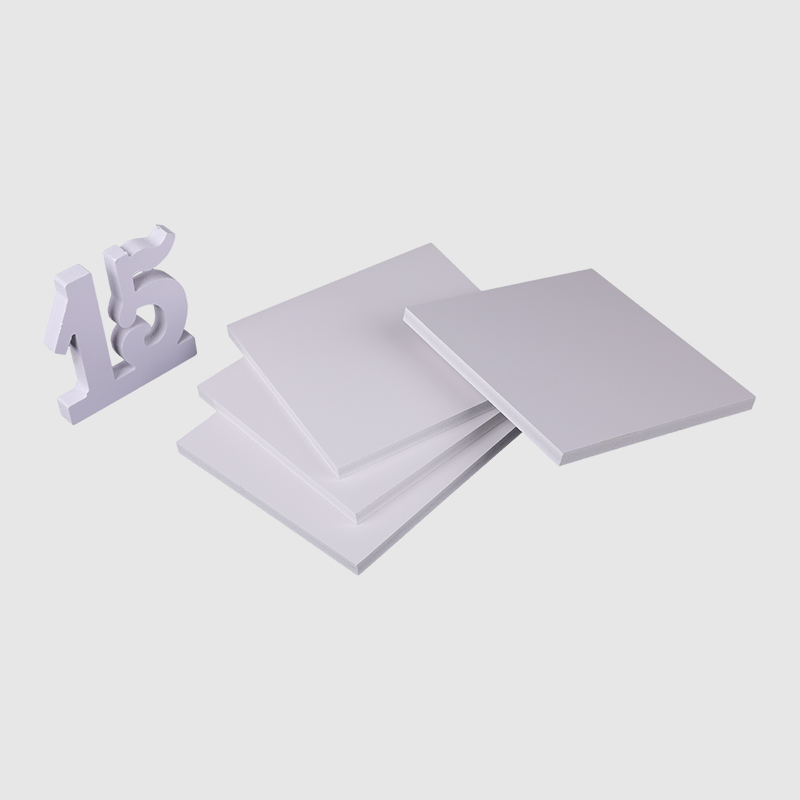
Features: Foam board carving is often used for model making and handicrafts, reasonable price, adaptable and durable. Support LOGO customisation, oute...
See Details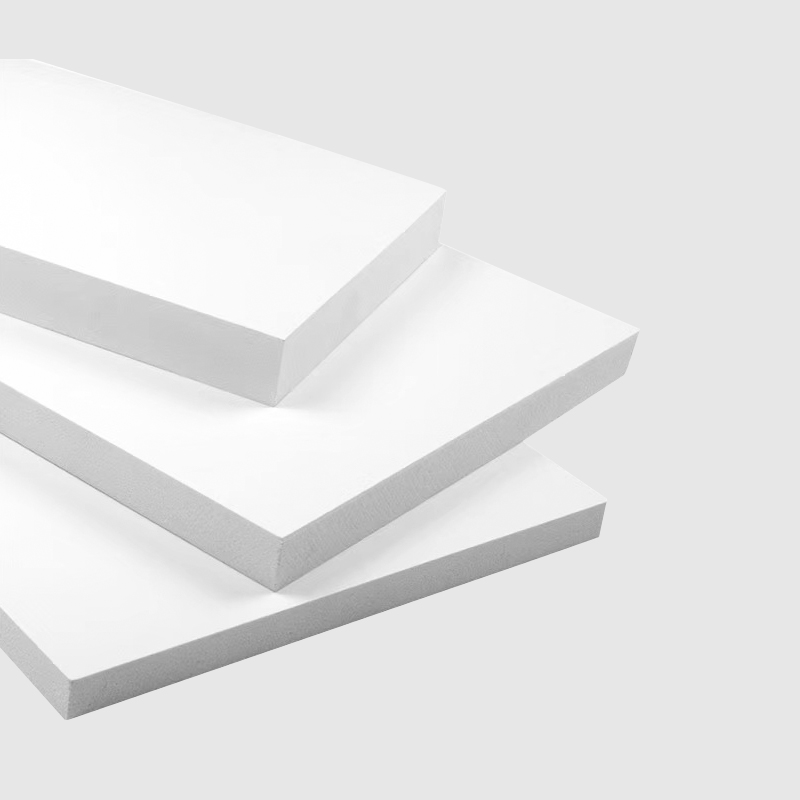
Characteristics: Foam board carving is often used for model making and handicrafts, reasonable price, adaptable, durable, which is characterised by we...
See Details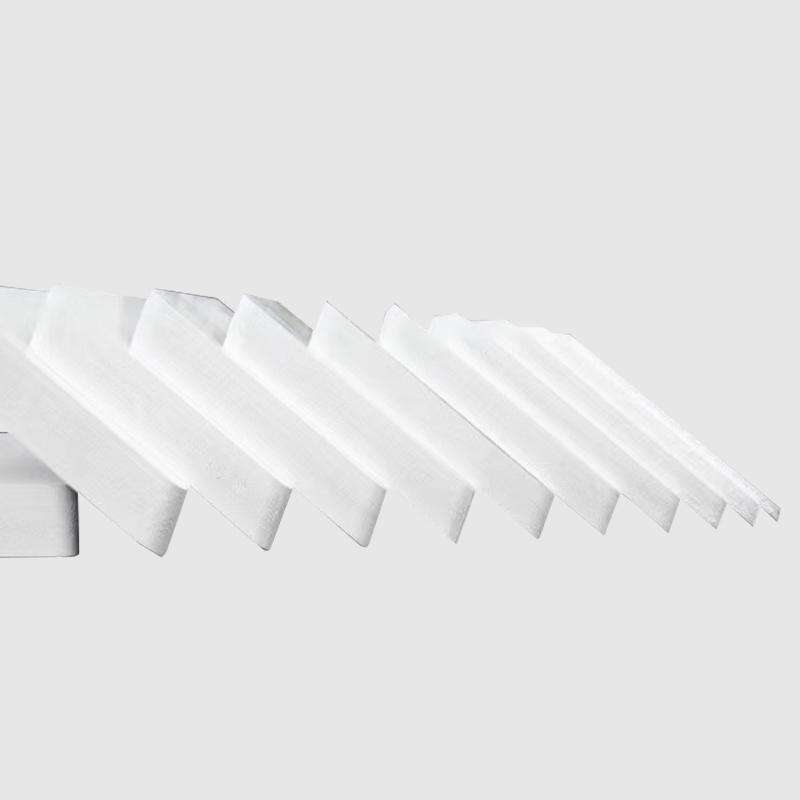
Features: Our white PVC foam boards have print-optimised white dots to maintain print resolution and will not yellow under UV exposure. The surface of...
See Details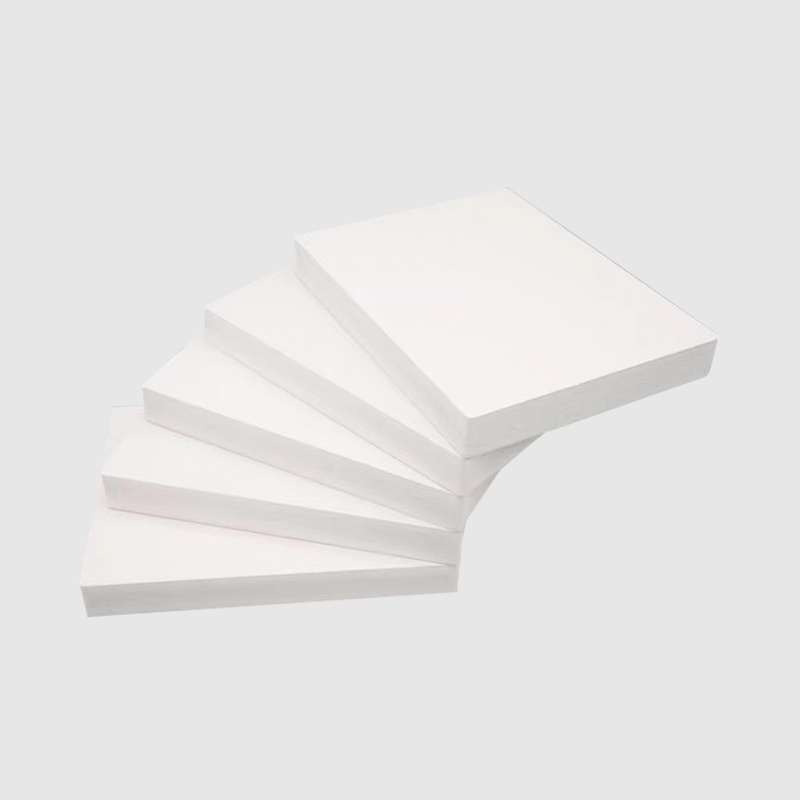
Features: PVC Foam Board offers high chemical resistance, high screw load capacity and easy processing, making it an ideal solution for furniture manu...
See Details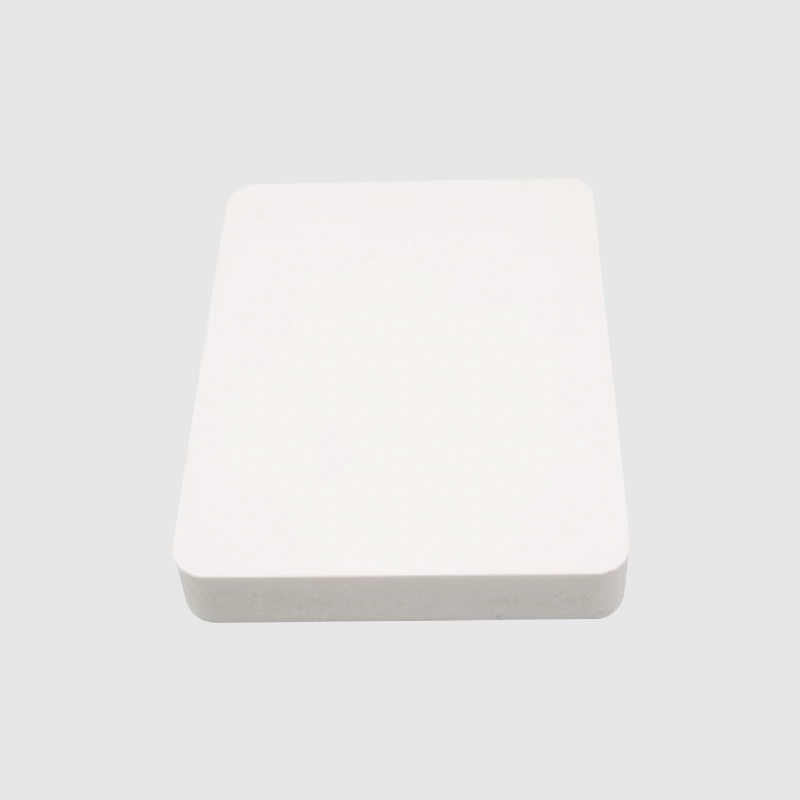
The 15mm PVC foam board is engineered for applications in rigid PVC furniture and interior wall paneling. It integrates waterproof, fireproof, and mot...
See Details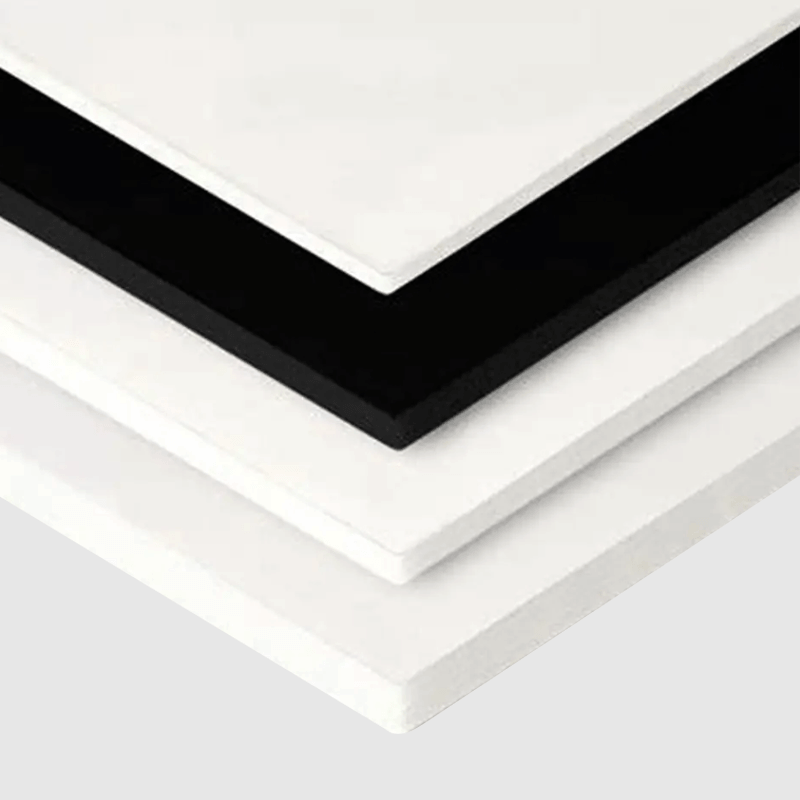
Characteristics: PVC board and other multi-hollow materials with similar acoustic properties noise reduction data in the range of 0.8-1.10 or so, can ...
See Details
No.65 Liminba, Yinong Town, Xiaoshan District, Hangzhou, Zhejiang, China
+86-17816178586
Copyright © Jiatao Industry Co., Ltd. All Rights Reserved.
Custom Rigid PVC Plastic Foam Boards Suppliers




Contact Us