

 English
 Español
 عربى
عربى
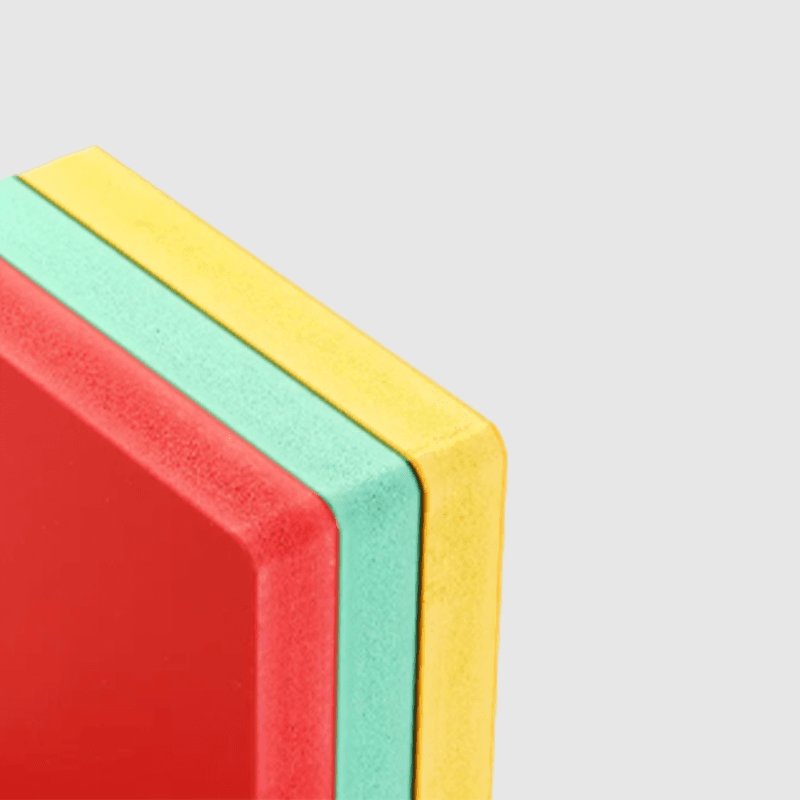
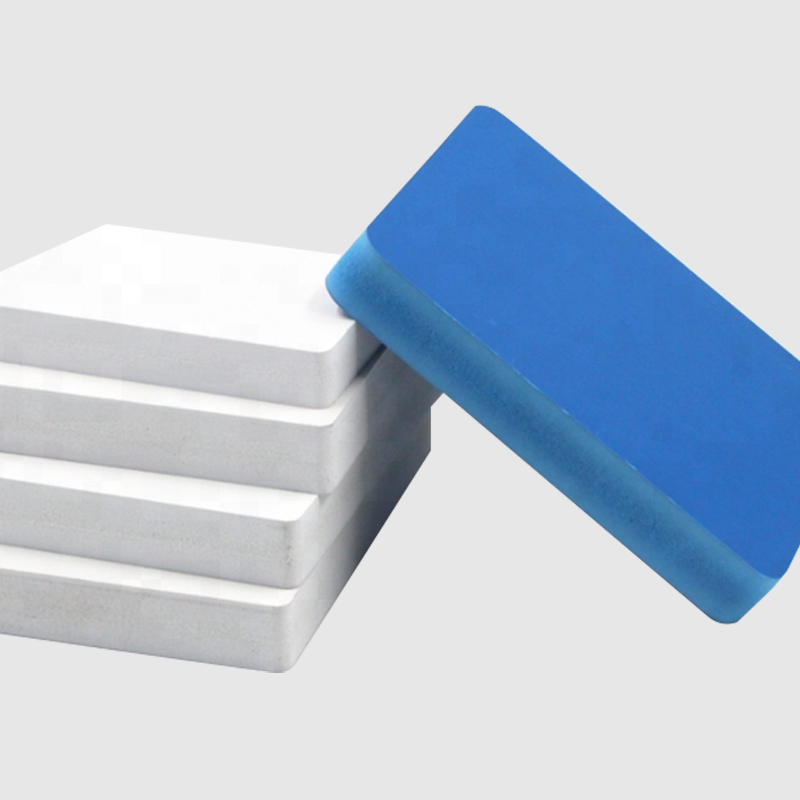
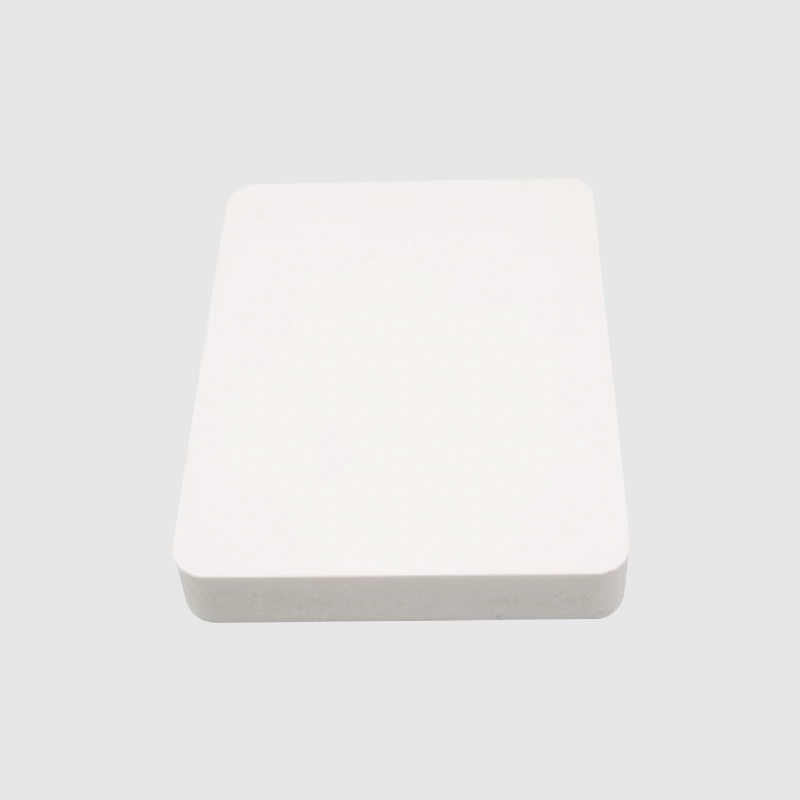
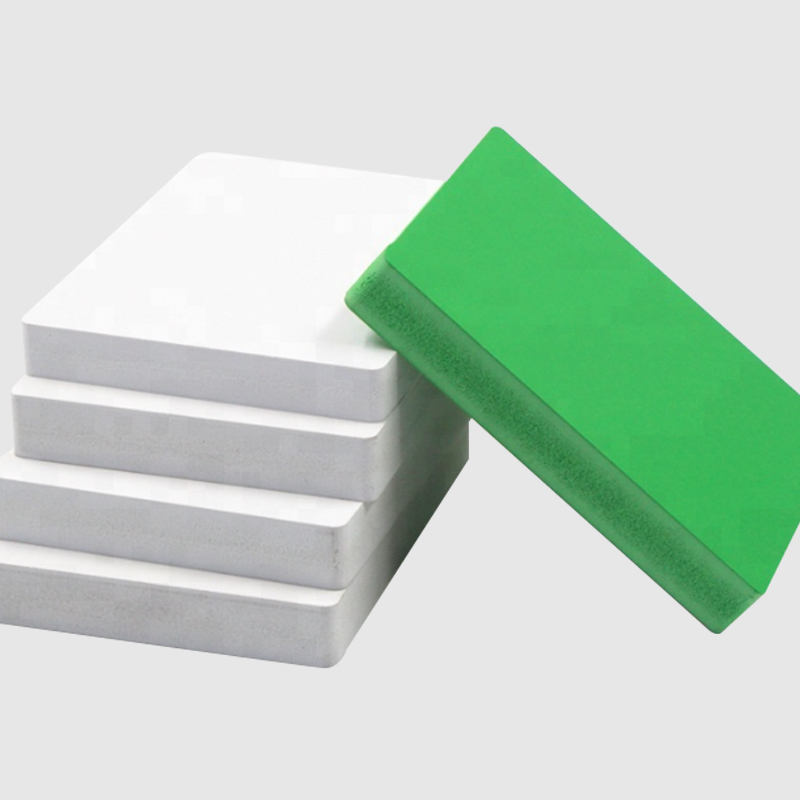
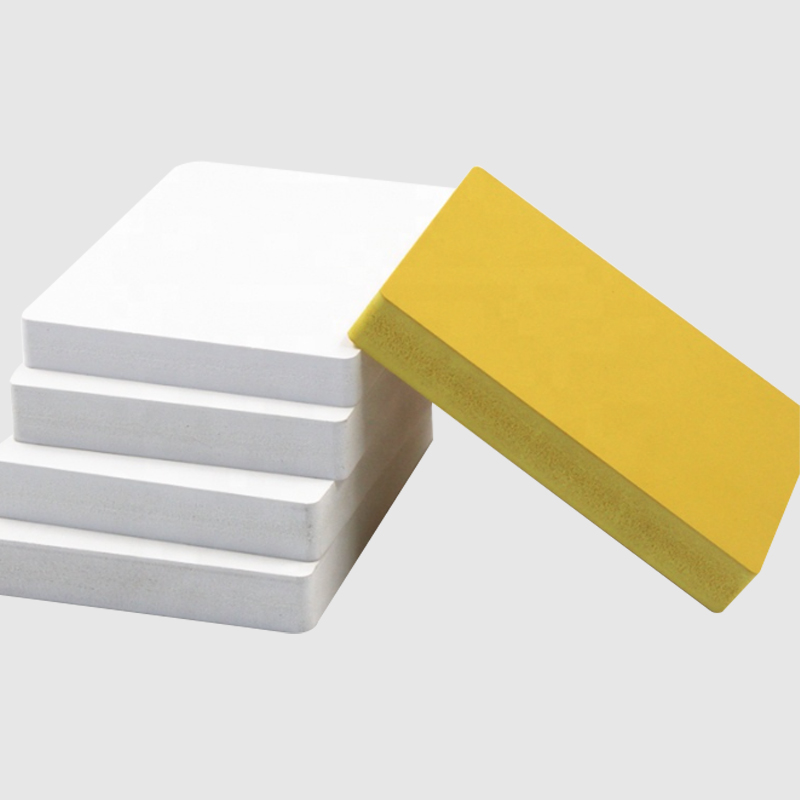
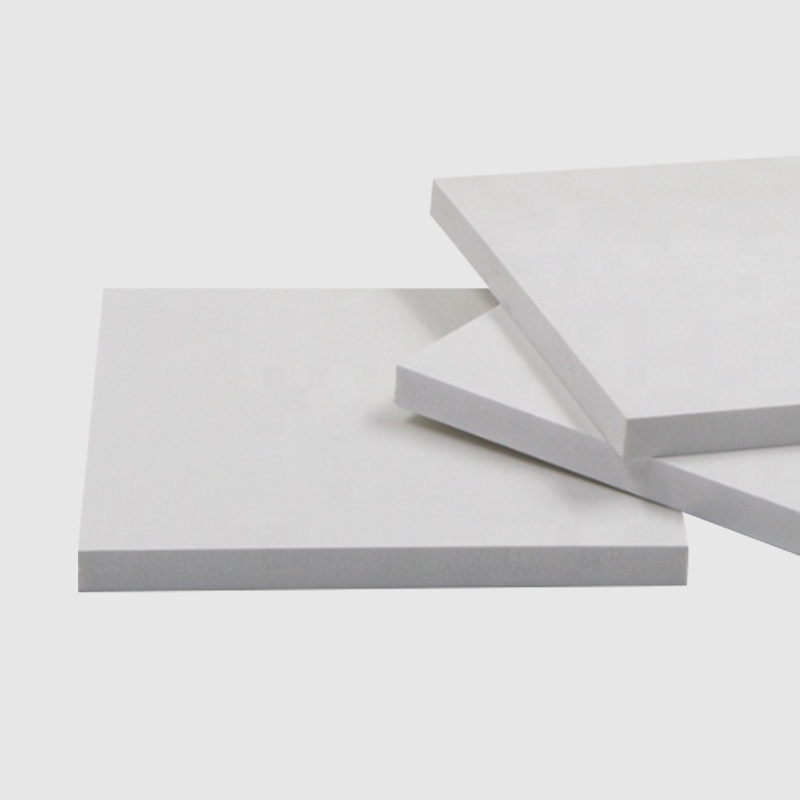
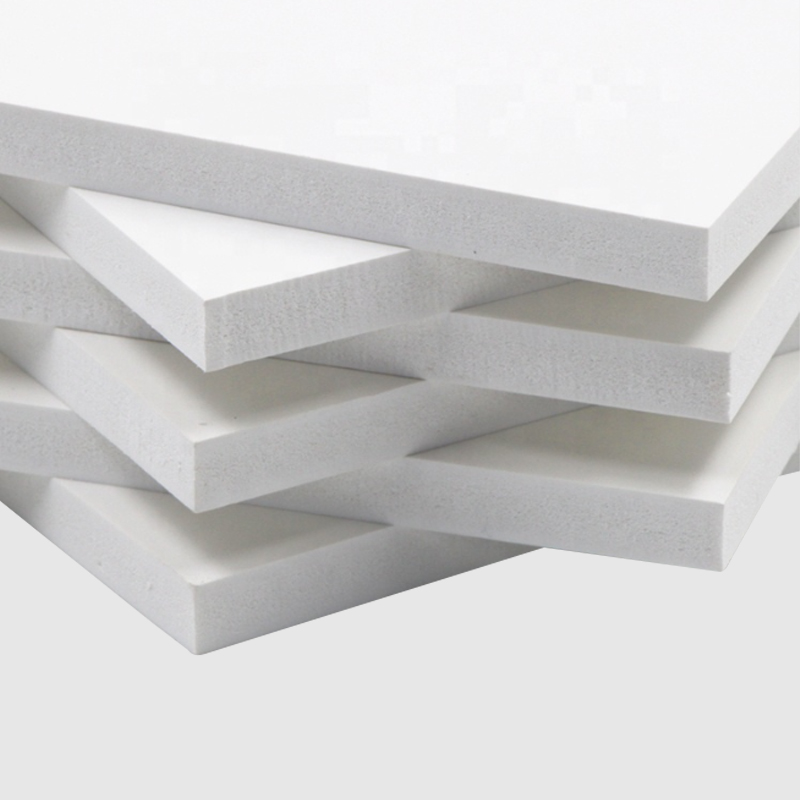
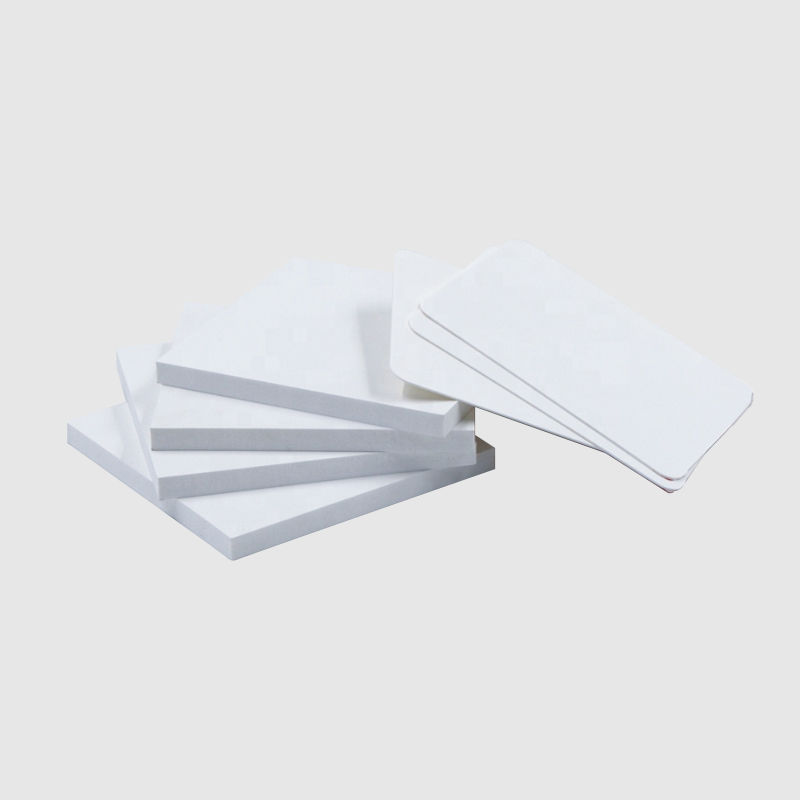
WPC foam board is a wood-plastic composite panel manufactured by extruding a blend of wood flour (typically 30–70% by weight) and thermoplastic polymers — primarily PVC, polyethylene, or polypropylene — with foaming agents that create a closed-cell cellular structure throughout the panel core. It is fully waterproof in practical terms: neither the wood flour component nor the polymer matrix absorbs water under normal exposure conditions, and the closed-cell foam structure prevents moisture from penetrating the panel body. Unlike conventional foam core boards (polystyrene or polyurethane foam between paper or aluminium facings), WPC foam board is a solid, homogeneous panel that can be cut, drilled, screwed, nailed, routed, painted, laminated, and machined with standard woodworking tools — making it the closest practical substitute for real timber in applications where moisture resistance and dimensional stability are essential.
What Is WPC Foam Board?
WPC stands for Wood-Plastic Composite — a material category covering any composite where wood-derived filler is combined with a thermoplastic binder. In WPC foam board specifically, the composite is processed with chemical foaming agents during extrusion that decompose at melt temperature and release gas, creating a uniform cellular structure that reduces panel density without significantly compromising mechanical properties. The result is a panel that is 30–50% lighter than a solid WPC panel of equivalent thickness, while retaining the screw-holding, surface hardness, and moisture resistance that make WPC materials valuable in construction and furniture applications.
The manufacturing process determines the final structure of the panel and explains why WPC foam board performs differently from other foam boards in the market:
| Panel Type | Core Structure | Water Resistance | Machinability | Screw Holding |
|---|---|---|---|---|
| WPC foam board | Homogeneous closed-cell foam — wood flour + PVC/PE + foaming agent | Fully waterproof — no absorption | Excellent — all woodworking tools | Excellent — threaded fasteners grip foam matrix |
| PVC foam board (Celuka / free-foam) | Closed-cell PVC foam — no wood content | Fully waterproof | Excellent | Good — slightly lower than WPC |
| Foam core board (Foamex / Kapa) | Polystyrene foam core + paper or aluminium face sheets | Not waterproof — paper face absorbs moisture | Limited — cuts with knife, not router | Poor — screws do not grip foam core |
| MDF | Solid wood fibre + urea-formaldehyde resin | Not waterproof — swells irreversibly | Excellent | Excellent |
| Plywood | Cross-laminated wood veneers | Moderate (exterior grade) to poor (interior grade) | Excellent | Excellent |
What Goes Into a WPC Foam Board
-
Wood flour (30–70% by weight): Finely ground wood fibre sourced from sawmill waste, recycled timber, or agricultural residue. The wood content provides rigidity, surface hardness, and the workability characteristics that distinguish WPC foam board from all-plastic panels. Higher wood content increases stiffness and surface hardness but requires careful formulation to maintain foam cell uniformity during extrusion.
-
Thermoplastic polymer matrix (PVC, PE, or PP): The binder that encapsulates the wood flour, provides the panel's water resistance, and determines its chemical and UV stability. PVC is the most common matrix in construction-grade WPC foam board because of its fire resistance, weathering stability, and compatibility with standard PVC additives. Polyethylene-based WPC foam boards are used in food-contact and outdoor furniture applications where PVC's chlorine content is a concern.
-
Chemical foaming agents: Typically azodicarbonamide or sodium bicarbonate-based systems that decompose at extrusion temperatures to release nitrogen or carbon dioxide gas. The gas creates the cellular structure that reduces panel density from the 1,400–1,600 kg/m3 of solid WPC to 600–900 kg/m3 in foamed panels. Foaming agent concentration and distribution uniformity are the critical process variables that determine panel density, cell size, and surface smoothness.
-
Additives — stabilisers, lubricants, coupling agents, pigments: Heat stabilisers (calcium-zinc or organotin in PVC-based formulations) prevent polymer degradation during extrusion. Maleic anhydride coupling agents improve adhesion between the wood flour and the polymer matrix. Lubricants control melt viscosity during extrusion. UV stabilisers (HALS) are added in formulations intended for outdoor applications to prevent polymer degradation and surface chalking from prolonged sunlight exposure.
Is WPC Foam Board Weather Resistant?
Yes — WPC foam board is weather resistant for most practical outdoor and semi-outdoor applications. The closed-cell foam structure prevents bulk water penetration, and the polymer matrix provides inherent resistance to fungal growth, insect attack, and the rot that degrades natural timber. However, "weather resistant" has a specific technical meaning that differs from "completely unaffected by all weather conditions," and understanding this distinction prevents misapplication:
| Weather Condition | WPC Foam Board Response | Performance Rating | Notes |
|---|---|---|---|
| Rain and water immersion | No swelling, delamination, or water absorption into panel body | Excellent | Closed-cell structure prevents water ingress; drains completely |
| Humidity (sustained high RH) | Minimal — less than 1% dimensional change in most grades | Excellent | Outperforms MDF and plywood dramatically in humid environments |
| UV exposure (direct sunlight) | Surface fading and slight chalking over 3–5 years without UV stabiliser | Good with UV additives; moderate without | Specify UV-stabilised grade for exterior applications; paintable surface seals UV risk |
| Thermal cycling (freeze-thaw) | Thermal expansion and contraction — coefficient approximately 0.05 mm/m per degree Celsius | Good — expansion joints required in long runs | Allow 3–5 mm expansion gap per linear metre in exterior installations |
| Temperature extremes | Softens above 60–70C; becomes brittle below -20C in some grades | Moderate at extremes | Not suitable for direct contact with heat sources; limited arctic-climate applications |
| Insects and rodents | Not a food source for insects; rodents can gnaw through panels | Very good — termite resistant | PVC matrix is indigestible to termites and wood-boring beetles |
Weather Resistance vs. Foam Core Boards — A Critical Distinction
The term "foam board" in everyday use covers several distinct products with radically different weather resistance. Conventional foam core boards used in arts and crafts, exhibition displays, and architectural models have a polystyrene foam core bonded between paper or thin plastic face sheets. These products are not weather resistant — the paper facing absorbs moisture within hours of outdoor exposure, the adhesive bonding the facing to the foam fails when wet, and the polystyrene core has no structural integrity once the facings delaminate. Leaving a conventional foam core board outdoors in rain for a single day typically renders it unusable.
WPC foam board has no equivalent weakness. There are no face sheets to delaminate, no paper components to absorb moisture, and no adhesive bond between layers to fail under wet conditions. The entire panel cross-section is the same homogeneous material from face to face. A WPC foam board submerged in water for 24 hours and then withdrawn and dried shows less than 0.5% dimensional change and no loss of structural integrity in quality grades — a performance standard that conventional foam core boards cannot approach.
Is Foam Core Board Waterproof? — Clarifying the Confusion
Standard foam core board (polystyrene foam + paper facing) is not waterproof. WPC foam board is. PVC foam board (Celuka or free-foam type, without wood flour) is also waterproof. This distinction matters because all three products may be described as "foam board" in casual usage, but their water resistance performance differs fundamentally:
-
WPC foam board — waterproof: The polymer matrix completely encapsulates all wood flour particles during extrusion, leaving no continuous pathway for water to penetrate the panel. Water contact angle on a smooth WPC foam board surface typically exceeds 85 degrees, indicating hydrophobic surface character. Immersion test results (ASTM D1037 or equivalent) show water absorption below 1% by weight after 24-hour immersion for quality grades.
-
Standard foam core board (polystyrene + paper) — not waterproof: The paper facing absorbs water by capillary action within minutes of contact. Once the paper facing has absorbed moisture, the adhesive bond between facing and foam softens, the paper swells and buckles, and the panel loses its flat surface and structural rigidity. These products are rated for indoor dry use only and should not be confused with waterproof foam board materials.
-
Waterproof foam core boards (with aluminium or HDPE facings) — water resistant but limited: Some foam core boards use aluminium sheet or high-density polyethylene facings bonded to polystyrene foam. These are water resistant at the surface but remain vulnerable to edge penetration and delamination at the adhesive bond line if water reaches the bond interface. They are suitable for wet environments with sealed edges but are not equivalent to homogeneous WPC foam board in sustained outdoor exposure.
WPC Foam Board Applications — Where It Performs Best
The combination of waterproof performance, machinability, and surface quality that accepts paint, laminate, and direct printing makes WPC foam board appropriate across a broader application range than any single alternative material. The following applications represent the highest-value uses where WPC foam board's properties produce measurable advantages over competing materials:
| Application | Why WPC Foam Board Is Specified | Thickness Range | Alternative Previously Used |
|---|---|---|---|
| Bathroom and wet room wall panels | Fully waterproof; accepts tile adhesive and direct paint; no MDF swelling | 10 – 18 mm | MDF (fails in wet conditions) |
| Kitchen cabinet carcasses | Moisture resistant in sink and dishwasher proximity; machines identically to MDF | 15 – 18 mm | Moisture-resistant MDF or plywood |
| Outdoor signage and display boards | Accepts direct UV printing; weatherproof; lightweight for hanging installations | 5 – 10 mm | PVC foam board (higher cost); aluminium composite (heavier) |
| Balcony and terrace decking substrate | Waterproof base for tile or composite decking; no rot over time | 18 – 25 mm | Timber (rots); concrete (heavy) |
| Shopfitting and retail display furniture | Lightweight; machines cleanly; accepts laminate and print; cost-effective at volume | 12 – 18 mm | MDF with moisture-resistant coating |
| Boat and marine interior panels | Immune to bilge water and humidity; no mould growth; does not require sealing | 12 – 18 mm | Marine plywood (heavy, expensive) |
How to Work With WPC Foam Board — Practical Guidance
WPC foam board processes differently from both solid timber and conventional foam core board, and understanding these differences avoids the common errors that produce poor results even with quality panels:
-
Cutting — use carbide-tipped blades: High-speed steel (HSS) blades dull rapidly against WPC foam board's abrasive wood-polymer composite structure. Carbide-tipped circular saw blades and router bits maintain edge sharpness through full panel cutting operations. Use a fine-tooth blade (60–80 teeth for a 250 mm blade) to reduce surface chipping at the cut edge. Feed rate should be moderate — too slow generates heat that melts the polymer matrix and produces a rough, burned edge; too fast causes surface tear-out.
-
Fastening — use coarse-thread screws and pre-drill pilot holes: WPC foam board holds fasteners well through mechanical engagement of the screw thread in the foam matrix. Coarse-thread screws (equivalent to type 17 self-drilling or standard wood screws with widely spaced threads) provide better pull-out resistance than fine-thread screws in foam materials. Pre-drilling prevents surface cracking in denser grade panels, particularly within 20 mm of panel edges where the cellular structure is more compressed.
-
Adhesive bonding — use solvent-based or PVC-compatible adhesive: Water-based PVA wood glue has limited adhesion to WPC foam board because the hydrophobic polymer surface does not absorb water. Contact adhesive (neoprene or solvent-based), PVC pipe cement, or construction-grade SMP polymer adhesive provides reliable bonds at the full tensile strength of the panel. For laminate application, solvent-based contact adhesive applied to both surfaces and allowed to become touch-dry before pressing produces immediate, high-strength bonds.
-
Painting — no primer required on smooth-surface grades, light sanding recommended: The smooth surface of WPC foam board accepts water-based acrylic paint directly in most applications. Light sanding with 120–180 grit paper before painting improves mechanical adhesion by creating microscopic surface texture. For exterior applications or high-gloss finishes, a solvent-based primer improves adhesion and surface uniformity. Do not use polyurethane lacquers without testing — some solvent systems attack the PVC polymer matrix and cause surface softening and bubbling.




Contact Us